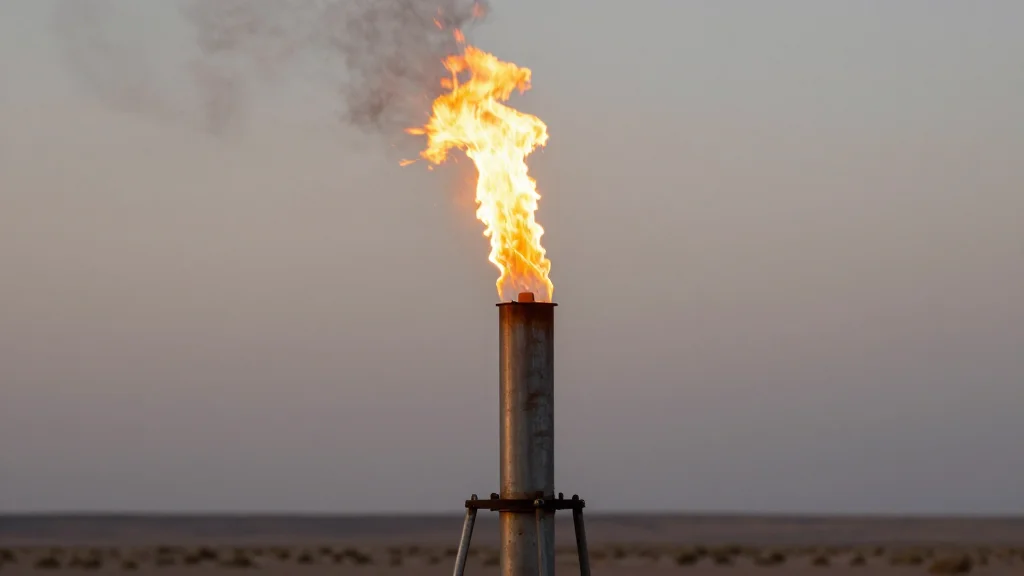
EPA Says Oil & Gas Operators Can Continue to Flare Past Long-Set Deadline
Why It Matters
Extending the flaring deadline sustains high‑impact methane emissions, hindering U.S. climate targets and exposing nearby residents to health‑damaging pollutants.
Key Takeaways
- •EPA extends routine flaring deadline past May 7 2024
- •Methane from flaring is 80× more potent than CO₂ short‑term
- •Sierra Club calls delay a “handout” to fossil‑fuel operators
- •Communities near sites face increased health risks from pollutants
Pulse Analysis
The EPA’s latest guidance reflects a pragmatic, albeit controversial, shift in U.S. climate policy. While the agency cites operational challenges and the need for industry readiness, the move effectively stalls a deadline that was intended to curb routine flaring—a practice that has long been a low‑hanging fruit for emissions reductions. By allowing operators to continue flaring, regulators acknowledge the technical and economic hurdles of retrofitting sites, but they also risk signaling a softer stance on methane mitigation at a time when the Inflation Reduction Act and other incentives are pushing for greener operations.
Methane’s climate potency makes flaring a critical target for policymakers. Over a 20‑year horizon, a kilogram of methane traps about 80 times more heat than a kilogram of CO₂, amplifying its contribution to near‑term warming. In addition to greenhouse effects, flaring emits volatile organic compounds, benzene, and formaldehyde—substances linked to smog formation and serious health outcomes. The Sierra Club’s condemnation underscores the growing public pressure on fossil‑fuel producers, especially communities situated within a mile of extraction sites that already face disproportionate exposure to air toxins. Their statement frames the delay as a “handout” to the industry, highlighting the moral and political stakes of the issue.
For the oil and gas sector, the extended deadline buys time to deploy proven flare‑reduction technologies, such as vapor recovery units and on‑site processing equipment. However, the cost of retrofitting can run into millions per facility, prompting some operators to lobby for regulatory flexibility. Investors are watching closely, as ESG metrics increasingly influence capital allocation; prolonged flaring could affect credit ratings and attract activist scrutiny. Looking ahead, the EPA may revisit the guidance once a clearer pathway for industry compliance emerges, potentially tying future extensions to demonstrable emission‑cutting projects or financial incentives that align with broader U.S. net‑zero ambitions.
EPA Says Oil & Gas Operators Can Continue to Flare Past Long-Set Deadline
Comments
Want to join the conversation?
Loading comments...