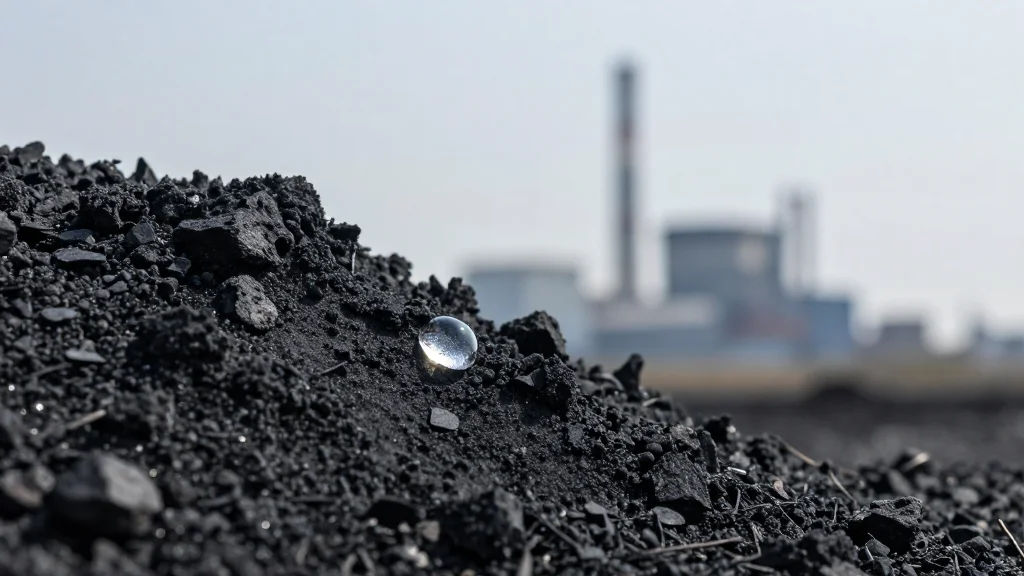
EPA's Coal‑Ash Wastewater Rollback and TVA's Misleading Booklet Ignite Criticism

Why It Matters
The EPA’s proposed rollback threatens to reverse recent progress in reducing toxic discharges from coal‑ash sites, potentially exposing millions of Americans to hazardous metals through drinking water and fish consumption. By downplaying ash hazards, the TVA’s booklet could weaken public pressure for stricter controls, allowing aging coal‑plant infrastructure to persist longer than necessary. Together, these actions risk undermining public‑health gains achieved over the past decade and could stall the transition to cleaner energy sources. Beyond immediate health concerns, the controversy highlights a regulatory crossroads: whether legacy fossil‑fuel waste will be managed under stringent hazardous‑waste standards or relegated to a lower‑risk category. The outcome will shape investment decisions for utilities, influence the pace of coal‑plant retirements, and set precedents for how other pollutant‑laden industries are regulated.
Key Takeaways
- •EPA proposes to relax coal‑ash wastewater limits, potentially increasing toxic discharges by up to 30%
- •Sierra Club’s Emma Colman warns the rule would turn rivers into dumping grounds for arsenic, mercury, selenium and lead
- •TVA distributes a 35‑page booklet claiming coal ash is not hazardous, sparking criticism from Duke’s Avner Vengosh and UW’s Howard Frumkin
- •EPA’s 2014 finding that coal ash poses health risks is omitted from the TVA pamphlet
- •If adopted, the rule could reverse a projected 64% reduction—about 325,000 tons—of nationwide coal‑ash wastewater pollution
Pulse Analysis
The EPA’s draft rule reflects a broader political shift toward deregulation of legacy fossil‑fuel pollutants, a trend that gained momentum under the previous administration and appears to be resurging. While the agency frames the change as a cost‑benefit balance for utilities, the scientific consensus underscores that even trace concentrations of heavy metals can accumulate in ecosystems and human bodies over time. The proposed rollback could also create a regulatory vacuum that benefits coal‑plant operators seeking to defer costly retrofits or closures, thereby slowing the shift to renewable generation.
TVA’s pamphlet illustrates how utilities can shape public perception to pre‑empt stricter oversight. By framing coal ash as comparable to natural soil, the agency attempts to normalize the presence of hazardous constituents, a strategy reminiscent of past industry campaigns that downplayed asbestos and lead risks. The backlash from respected researchers signals that the scientific community is no longer willing to tolerate such misinformation, especially as community groups demand transparency.
Looking ahead, the convergence of federal rulemaking and utility messaging may trigger a wave of litigation and heightened advocacy. Courts have increasingly scrutinized agency decisions that appear to favor industry over public health, and the EPA’s own historical rulings on coal ash provide a legal foothold for challengers. Meanwhile, utilities like TVA may need to recalibrate their communication strategies, emphasizing genuine risk mitigation rather than denial, to maintain public trust and avoid costly legal setbacks. The ultimate trajectory will hinge on how quickly the nation can replace coal‑dependent baseload power with cleaner alternatives, a transition that could render these disputes moot if accelerated.
EPA's Coal‑Ash Wastewater Rollback and TVA's Misleading Booklet Ignite Criticism
Comments
Want to join the conversation?
Loading comments...