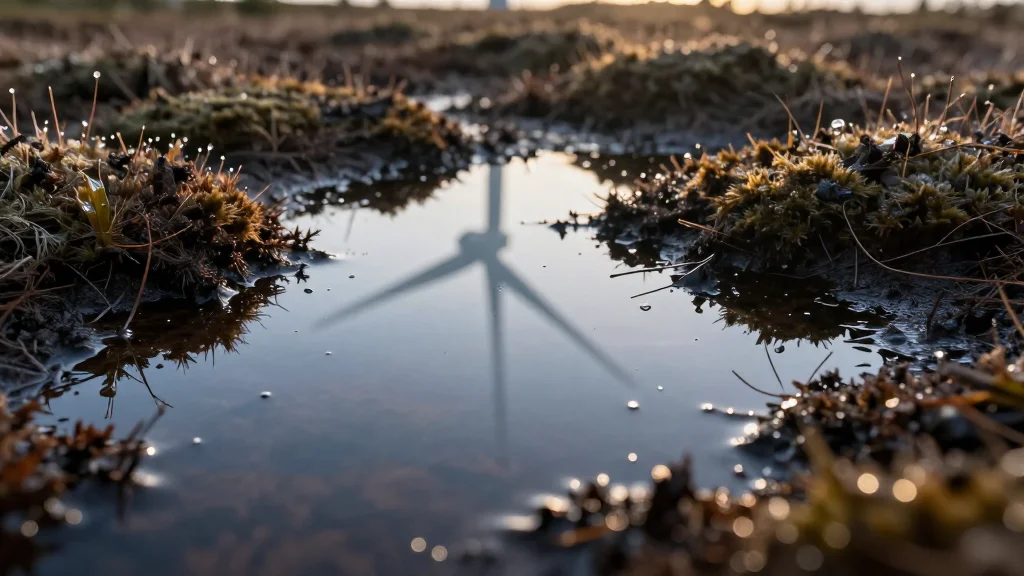
EU Approves €5 Billion German and Czech Carbon Removal, Green Fuel Plans
Why It Matters
The funding accelerates EU decarbonisation by restoring natural carbon sinks and scaling low‑carbon fuels, directly supporting the bloc’s 2030 climate targets and enhancing energy security.
Key Takeaways
- •EU approves €5bn ($5.4bn) climate aid for peatland rewetting and biomethane
- •Germany allocates €1.3bn ($1.4bn) to restore peatlands and support paludiculture
- •Czechia earmarks €3.7bn ($4.0bn) for sustainable biomethane capacity up to 350 Mscm
- •Scheme runs to 2030, targeting small‑medium farms and clean transport fuel
- •Funding uses Clean Industrial Deal State Aid Framework to avoid market distortion
Pulse Analysis
The EU’s latest state‑aid approvals signal a strategic shift toward nature‑based carbon removal and renewable gas as pillars of the European Green Deal. Peatlands, which store more carbon per hectare than forests, have become a hidden emissions source as drainage for agriculture releases roughly 7 % of the bloc’s greenhouse gases. By financing large‑scale rewetting, Germany aims to lock away billions of tonnes of CO₂ while fostering paludiculture—farming on water‑logged soils that can generate biomass, timber and specialty crops without compromising carbon storage. This approach not only mitigates climate risk but also offers rural economies new revenue streams, aligning with the EU’s Just Transition principles.
Germany’s €1.3 billion package covers advisory services, infrastructure investment, and compensation for farmers who lose productive land during rewetting. The inclusion of paludiculture incentives reflects a broader EU trend of integrating climate action with agricultural innovation, ensuring that climate‑friendly land use does not penalize producers. By converting former arable peatlands into high‑water‑table ecosystems, the scheme creates a resilient carbon sink that can adapt to increasing climate variability, while also delivering ecosystem services such as flood mitigation and biodiversity enhancement.
Czechia’s €3.7 billion biomethane programme complements the peatland effort by targeting the transport and heating sectors, which together account for a sizable share of EU emissions. The funding, channeled through the Clean Industrial Deal State Aid Framework, supports both new biomethane plants and upgrades of existing biogas facilities, aiming for 350 million standard cubic meters of renewable gas by 2030. This volume can replace a significant portion of fossil‑derived natural gas, reducing reliance on imports and strengthening energy security. By prioritizing small‑ and medium‑sized farms, the Czech plan also nurtures a decentralized supply chain, fostering competition and innovation in the emerging green‑fuel market.
EU Approves €5 Billion German and Czech Carbon Removal, Green Fuel Plans
Comments
Want to join the conversation?
Loading comments...