Why It Matters
Accelerating clean‑energy investment is essential for EU energy security and to curb inflationary pressure on consumers, while shaping the region’s climate‑policy trajectory.
Key Takeaways
- •EU faces €22 bn (~$24 bn) extra fossil‑fuel import costs.
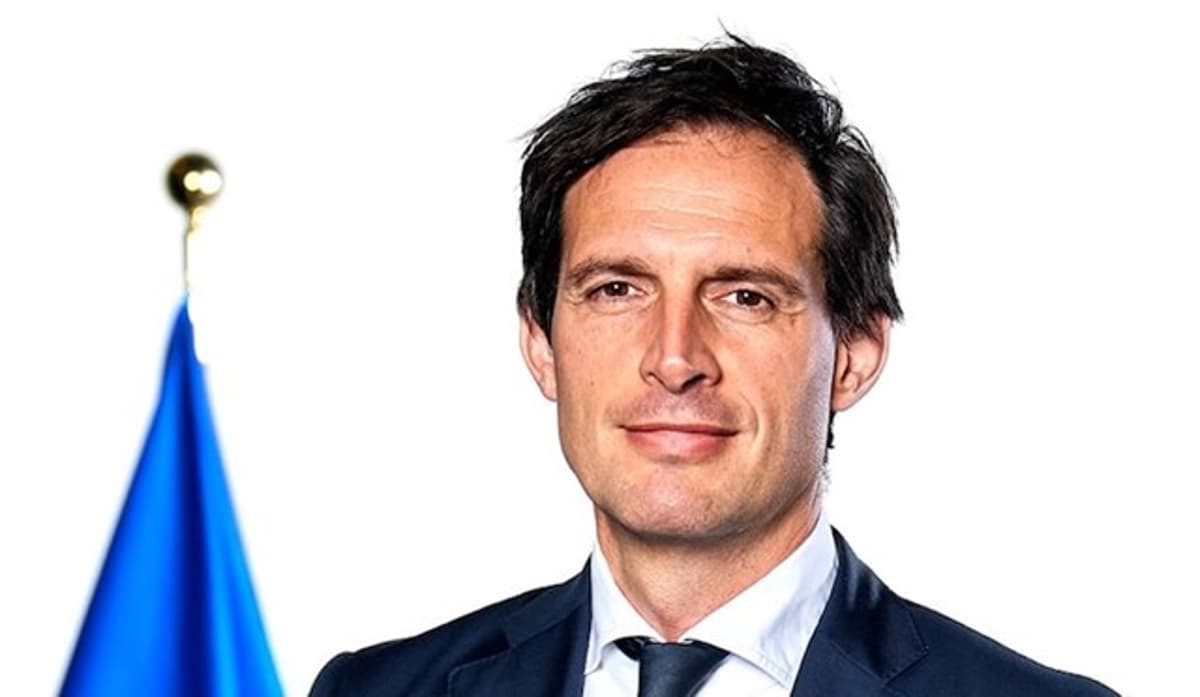
- •Hoekstra urges accelerated solar, wind, nuclear, and battery deployment.
- •Commission plans to cut electricity transport fees and tax power below fossil.
- •Legal complexities hinder EU‑wide windfall tax on energy firms.
- •Renewable support rises in previously skeptical EU countries.
Pulse Analysis
Europe’s energy landscape is being reshaped by a perfect storm of geopolitical tension and soaring commodity prices. The Middle‑East conflict has added roughly $24 billion to the EU’s fossil‑fuel import bill, straining public finances already stretched by high debt levels. This cost pressure is prompting policymakers to view renewable expansion not just as an environmental imperative but as a fiscal necessity. By diversifying supply and reducing exposure to volatile oil and gas markets, the bloc hopes to stabilize consumer prices and protect its economic recovery.
In response, the European Commission is preparing a package of reforms aimed at fast‑tracking electrification and clean‑energy deployment. Draft proposals include lowering electricity transmission charges, restructuring power taxation so that renewable electricity is taxed more favorably than fossil‑fuel‑derived power, and investing in interconnectors to balance supply across borders. Hoekstra’s call for “more nuclear, more solar, more wind, more battery capacity” reflects a broader consensus that a mix of technologies—paired with upgraded grid infrastructure—will be required to meet the EU’s 2030 climate targets while delivering affordable energy.
Political dynamics add both momentum and complexity. While traditionally skeptical nations are warming to renewables and nuclear, the prospect of an EU‑wide windfall tax on energy companies remains contentious due to legal ambiguities and potential economic side‑effects. Financing the transition will rely on a blend of public support measures and private capital, with short‑term fiscal constraints limiting large‑scale subsidies. Nonetheless, the growing cross‑party backing suggests that Europe is poised to accelerate its green‑energy rollout, setting a benchmark for other regions grappling with similar energy‑security challenges.
EU climate chief calls for renewables surge
Comments
Want to join the conversation?
Loading comments...