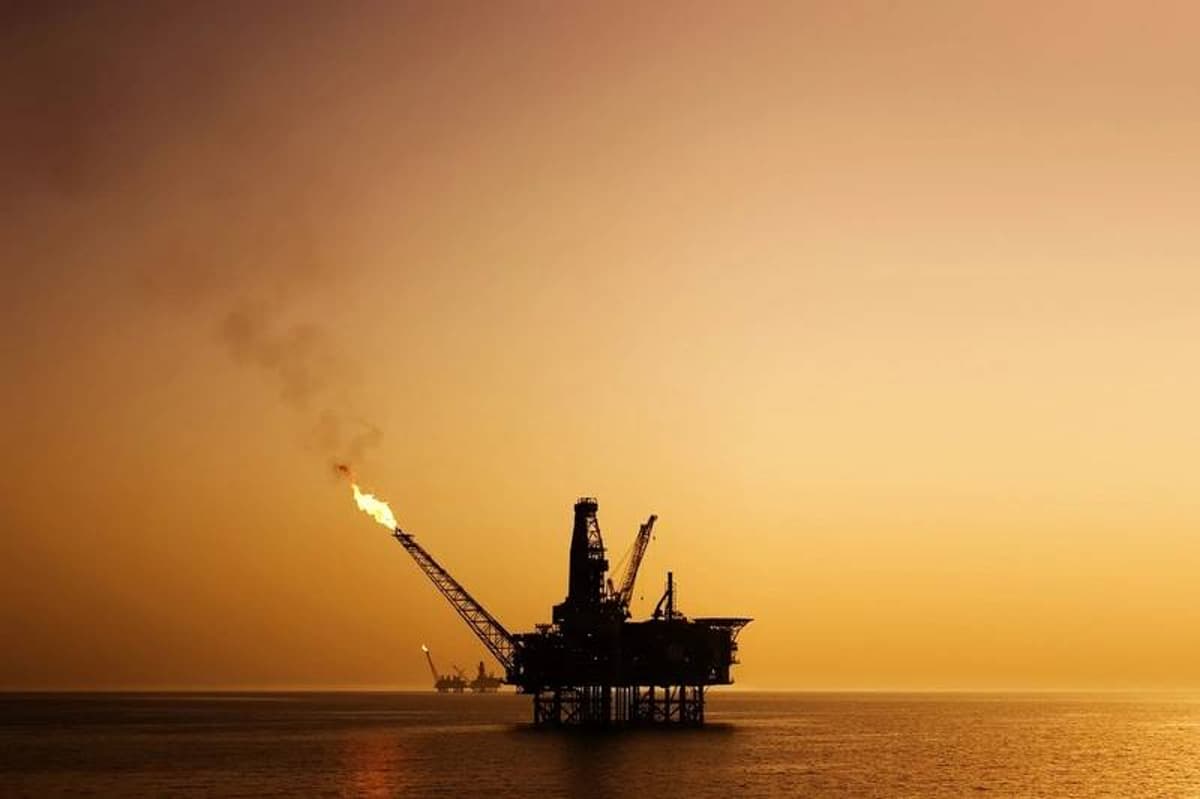
EU Moves to Ease Methane Rules for Oil and Gas Firms
Why It Matters
Temporarily lifting fines may keep gas supplies flowing and curb price spikes, but it also risks diluting Europe’s climate credibility and slowing the transition to lower‑leakage energy sources.
Key Takeaways
- •EU proposes three-year penalty waiver for methane law breaches (2027‑2029)
- •Waiver excludes only large‑scale fraudulent breaches
- •Rule aims to avoid energy shortages amid Middle East crisis
- •Industry warns waivers could deter new gas contracts
- •Environmental groups call the move a “paper tiger”
Pulse Analysis
The European Union’s methane emissions regulation, the world’s first comprehensive rule targeting fugitive gas leaks, took effect in January 2027. It obliges both domestic producers and importers to monitor, verify, and report methane intensity, with penalties that can reach 20 % of a company’s annual turnover. By tying compliance to the cost of gas contracts, the law was designed to curb a greenhouse gas that is roughly 30 times more potent than CO₂ over a 20‑year horizon. The policy has been hailed as a cornerstone of Europe’s climate‑fit‑for‑55 agenda.
Amid the escalating conflict in the Middle East and the resulting volatility in global energy markets, the European Commission drafted a recommendation to suspend penalties for three years—2027 through 2029—except for egregious, fraudulent violations. The proposal reflects pressure from Washington, where the Trump administration has urged a decade‑long exemption for U.S. oil and gas, and from industry groups warning that steep fines could choke new supply contracts. By framing the waiver as a safeguard against “energy supply shortages” and high consumer prices, the EU seeks to balance climate ambition with short‑term security.
Critics argue the suspension undermines the credibility of the methane rule, turning it into a “paper tiger” and weakening Europe’s leverage to demand cleaner gas imports. If penalties are not enforced, investors may view the market as less regulated, potentially slowing the shift toward low‑leakage technologies and renewable alternatives. Conversely, a temporary leniency could keep gas pipelines flowing, easing price spikes for households and industry. The episode highlights the tension between environmental policy and energy geopolitics, and it may set a precedent for future climate legislation during crises.
EU Moves to Ease Methane Rules for Oil and Gas Firms
Comments
Want to join the conversation?
Loading comments...