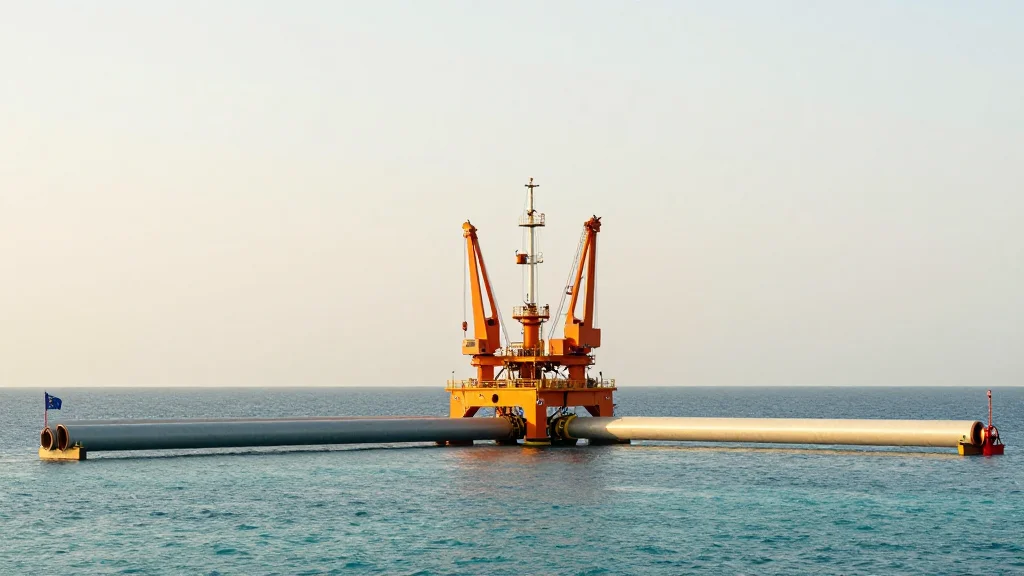
EU Moves to Fund Alternative Energy Corridors as Hormuz Crisis Hits Energy Bills

Why It Matters
The EU’s push to fund alternative energy corridors directly addresses the vulnerability exposed by the Strait of Hormuz, a chokepoint that handles roughly 20% of global oil trade. By diversifying export routes, Europe aims to insulate its economies from sudden price spikes and supply disruptions, protecting both industrial output and consumer energy bills. The initiative also signals a broader strategic pivot: Europe is willing to deepen energy ties with Gulf states, potentially reshaping geopolitical alliances in a region already fraught with conflict. If the EU can secure reliable, war‑resilient infrastructure, it could set a precedent for other energy‑importing blocs to pursue similar diversification strategies. Conversely, failure to deliver concrete projects may leave the bloc exposed to future crises, reinforcing the argument for accelerated domestic renewable investment.
Key Takeaways
- •EU Commission President Ursula von der Leyen announced funding for new Gulf energy corridors to bypass the Strait of Hormuz.
- •EU energy bill rose by €25 bn ($29.3 bn) in the last 43 days due to Hormuz‑related price spikes.
- •Brent crude hit $100.33 a barrel; U.S. WTI reached $96.66 amid supply concerns.
- •The plan includes repairing war‑damaged Gulf infrastructure and exploring the India‑Middle‑East‑Europe Economic Corridor.
- •A summit between the EU and GCC is slated for later this year to flesh out project details.
Pulse Analysis
The EU’s announcement marks a rare instance of the bloc moving from policy rhetoric to concrete financing in the energy‑security arena. Historically, Europe has relied on diversified import sources—Norway, Russia (pre‑2022), and the United States—to hedge against regional disruptions. The Hormuz crisis, however, exposed a single‑point failure that cannot be mitigated by market mechanisms alone. By committing public funds, the EU is effectively underwriting a geopolitical risk premium that private investors have shied away from.
From a market perspective, the move could temper short‑term price volatility. Traders often price in a "risk premium" for chokepoint disruptions; a credible alternative route would compress that premium, potentially lowering futures spreads. Yet the initiative also introduces new variables: project financing will likely involve sovereign guarantees, and any delay could exacerbate the very price spikes the EU hopes to avoid. Moreover, the EU’s stance on sanctions against Iran adds a layer of diplomatic complexity—any joint infrastructure that indirectly benefits Iranian oil exports could trigger political backlash.
Strategically, the EU is leveraging its rotating presidency in Cyprus to deepen ties with Gulf states, a region where European influence has waned since the Arab Spring. By positioning itself as a partner in rebuilding energy infrastructure, the bloc may secure preferential access to future supplies, offsetting the loss of Russian gas. This could also serve as a soft power lever in broader negotiations on climate policy, human rights, and regional security. In sum, the EU’s funding pledge is a calculated gamble: it seeks to lock in energy resilience while navigating a volatile geopolitical landscape, and its success will hinge on the speed and transparency of the forthcoming EU‑GCC summit.
EU Moves to Fund Alternative Energy Corridors as Hormuz Crisis Hits Energy Bills
Comments
Want to join the conversation?
Loading comments...