EU Plans Lower Taxes on Clean Energy in Drive to Cut Power Bills
Why It Matters
Lower electricity taxes and a smarter, more flexible grid can ease cost pressures on households and industry, boosting EU competitiveness while advancing climate objectives.
Key Takeaways
- •EU aims to set electricity excise tax below natural‑gas tax
- •Smart‑meter coverage target: 50% by 2030, 65% by 2033
- •Targeted tax relief for energy‑intensive sectors
- •Flexibility measures to cut renewable curtailment
- •Daily import bill rise: €500 million ($545 million) from Middle‑East war
Pulse Analysis
The EU’s latest energy proposal arrives at a time when geopolitical tensions have turned energy security into a top political priority. By slashing electricity excise taxes to sit below natural‑gas rates, the Commission seeks to blunt the impact of volatile fossil‑fuel markets that have added roughly $545 million a day to Europe’s import bill. The tax shift not only lowers household bills but also signals a decisive move away from the region’s historic reliance on imported oil and gas, aligning fiscal policy with the bloc’s climate‑first agenda.
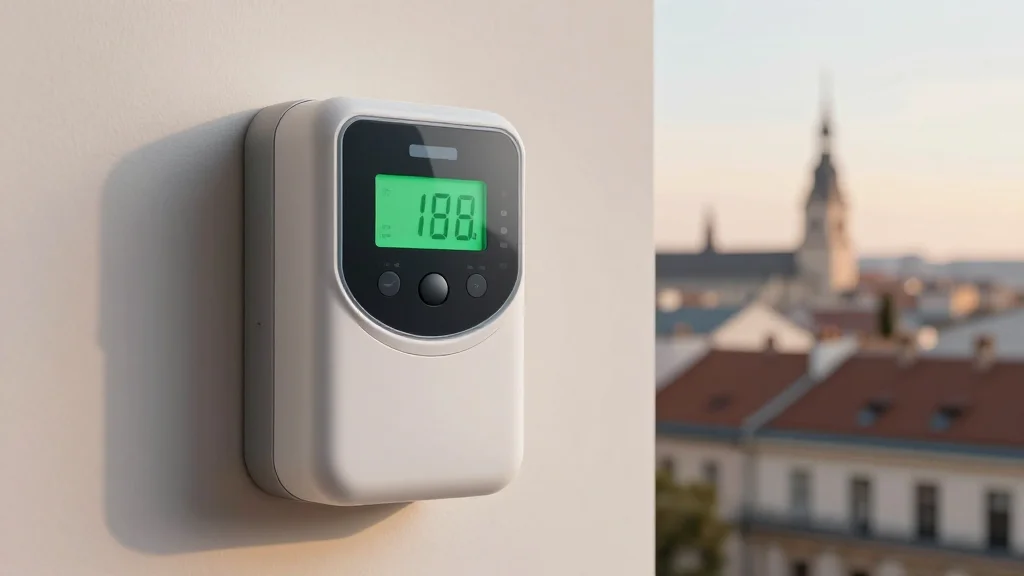
A cornerstone of the draft regulation is the aggressive rollout of smart meters, with a mandate that at least half of final customers be equipped by 2030 and 65 % by 2033. These devices enable real‑time demand response, allowing consumers and businesses to shift usage toward periods of abundant, low‑cost renewable generation. By smoothing demand peaks, the EU aims to reduce costly curtailment—where wind or solar farms are forced offline—thereby improving overall system efficiency and unlocking further investment in clean‑energy assets.
For energy‑intensive industries, the proposal includes a targeted tax relief mechanism designed to protect competitiveness and prevent plant closures. Coupled with broader grid‑flexibility measures, the policy framework could spur a wave of modernization across Europe’s interconnected power network. In the long run, lower electricity costs, higher renewable integration, and a more resilient grid are expected to enhance the EU’s industrial base, attract green investment, and keep the region on track to meet its 2030 climate targets.
EU Plans Lower Taxes on Clean Energy in Drive to Cut Power Bills
Comments
Want to join the conversation?
Loading comments...