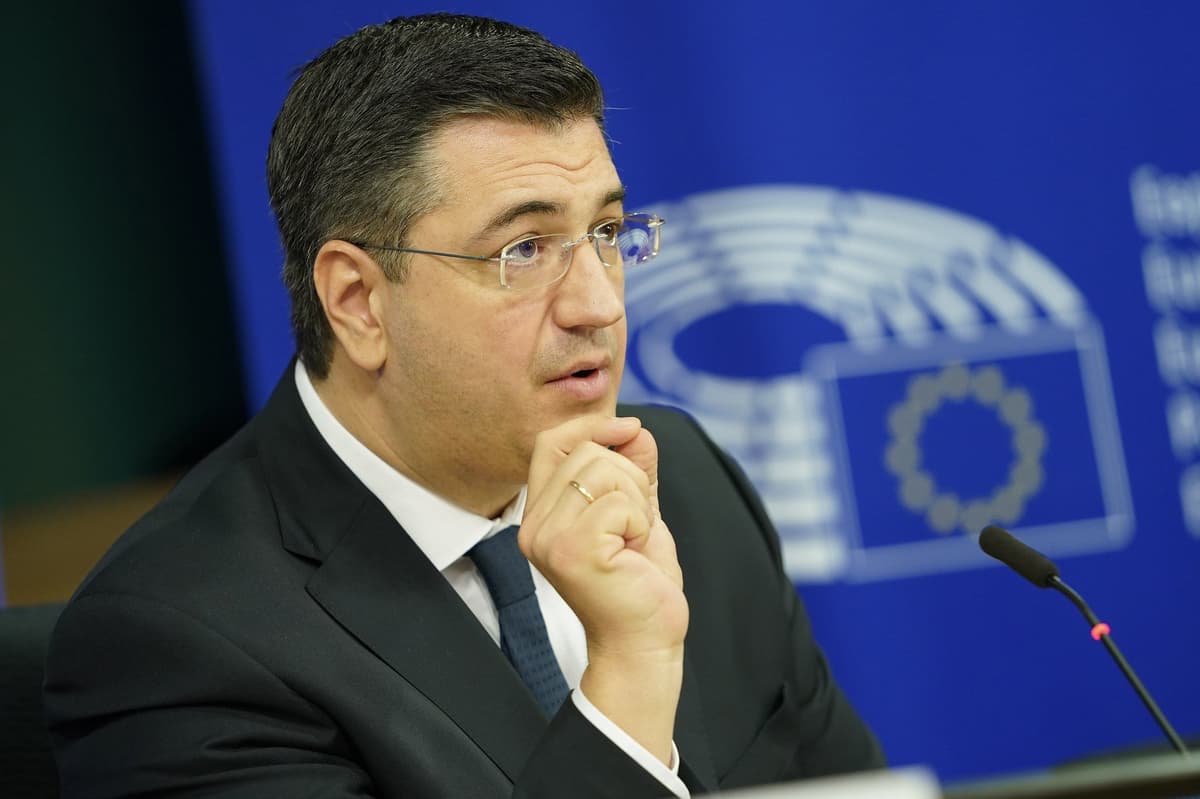
EU Transport Chief Says ‘No Need’ to Curb Fuel Use Despite Supply Fears
Why It Matters
The announcement underscores the tension between immediate supply risks for European aviation and the EU’s commitment to keep tourism and mobility flowing, while highlighting the need for coordinated energy‑security measures.
Key Takeaways
- •Gulf blockage adds ~$540 million daily to EU energy costs.
- •EU jet fuel could run out in six weeks without Gulf imports.
- •New EU fuel observatory will monitor jet fuel stocks and flows.
- •No immediate demand‑reduction measures; travel and tourism remain encouraged.
- •AccelerateEU plan aims to cut fossil‑fuel use despite current scarcity.
Pulse Analysis
The ongoing US‑Israeli conflict and the effective blockade of the Strait of Hormuz have sent shockwaves through Europe’s energy markets. An estimated $540 million in extra energy costs accrues each day, pushing the bloc’s already hefty $364 billion annual fossil‑fuel bill higher. Jet fuel, a critical input for the aviation sector, is especially vulnerable; the International Energy Agency warns that Europe may have as little as six weeks of supply if Gulf imports remain halted. This scarcity risk is compounded by dwindling diesel stocks, raising concerns about broader transport logistics and price volatility.
In response, EU transport ministers have opted for heightened monitoring rather than immediate demand‑curbing policies. A new fuel observatory will be established to track jet‑fuel inventories and flow patterns, providing real‑time data to inform any strategic reserve releases. Commissioner Tzitzikostas emphasized that, for now, there is no evidence of outright shortages and that restricting travel or work would be premature. The stance reflects a delicate balance: preserving the summer tourism boom that fuels a sizable share of the European economy while preparing contingency plans should physical shortages materialize.
The situation also tests the EU’s longer‑term energy strategy embodied in the leaked AccelerateEU plan. Although the commission is reluctant to impose short‑term consumption cuts, the plan outlines coordinated gas storage, oil‑stock releases, and a push toward electrification to avoid a repeat of the 2022 gas scramble. By aligning immediate monitoring with a broader decarbonisation roadmap, the EU aims to safeguard energy security, stabilize markets, and keep the transition to cleaner fuels on track despite current geopolitical headwinds.
EU transport chief says ‘no need’ to curb fuel use despite supply fears
Comments
Want to join the conversation?
Loading comments...