Why It Matters
Lower electricity taxes create a financial incentive for businesses and consumers to switch from carbon‑intensive fuels, supporting EU climate targets while cushioning the bloc from volatile fossil‑fuel prices caused by geopolitical tensions.
Key Takeaways
- •EU taxes electricity lower than coal and gas
- •Electrification incentives target industry and transport sectors
- •Plan funds grid upgrades and renewable integration
- •Policy aims to balance energy security with climate goals
Pulse Analysis
The EU’s latest energy‑crisis blueprint arrives at a volatile moment, as the Iran‑Russia conflict has tightened global gas supplies and driven up fossil‑fuel prices. By decoupling electricity from traditional energy taxes, Brussels hopes to shield households and manufacturers from price spikes while reinforcing its commitment to the European Green Deal. The move signals a strategic pivot: rather than relying on volatile imports, the bloc is betting on domestic renewable generation and a modernized grid to meet demand.
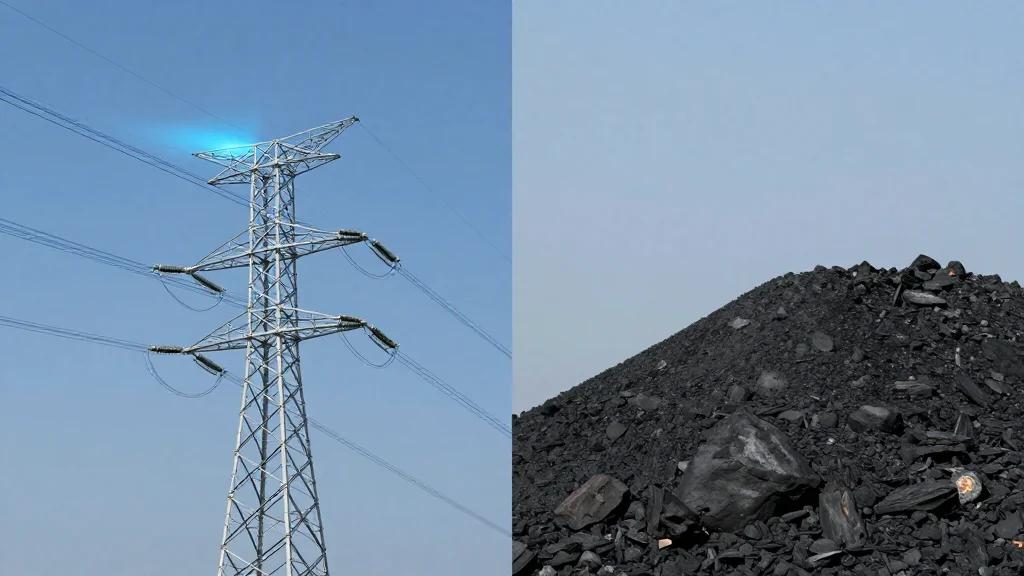
Central to the plan is a differentiated tax structure that places electricity in a lower‑rate bracket than coal, oil and natural gas. This creates a clear price signal for businesses to replace diesel‑heavy processes with electric alternatives, from steel production to logistics. Coupled with grants for battery storage, smart‑grid deployment, and electric vehicle charging infrastructure, the policy aims to accelerate the continent’s electrification curve. Early adopters stand to gain competitive advantages as operating costs fall and carbon‑pricing mechanisms become stricter.
Long‑term, the strategy dovetails with the EU’s 2030 climate objectives and its 2050 net‑zero pledge. By fostering a robust, low‑carbon electricity market, the bloc reduces its exposure to external shocks and positions itself as a leader in clean‑energy technology. However, the success hinges on coordinated implementation across member states, sufficient funding, and managing transitional challenges for sectors still dependent on fossil fuels. If executed well, the plan could reshape Europe’s energy landscape and set a benchmark for other regions confronting similar geopolitical risks.
EU unveils energy crisis plan
Comments
Want to join the conversation?
Loading comments...