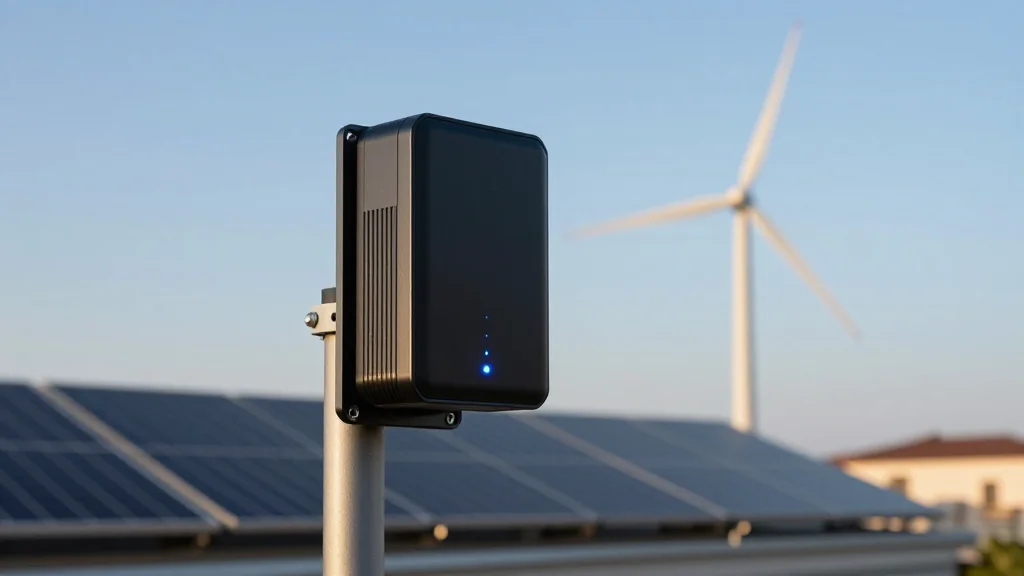
EU Wants Households to Cut Peak Time Energy Use as Demand From Industry and AI Soars
Why It Matters
Cutting peak demand protects consumers from soaring electricity prices and helps the EU meet its clean‑energy targets despite rapidly growing AI and electrification loads.
Key Takeaways
- •EU to mandate AI-driven smart meters for households by year‑end
- •Data‑center electricity use projected to double within four years
- •Smart meters aim to shift consumption to cheaper off‑peak hours
- •Horizon Europe allocates $81 million for energy‑efficient AI research
Pulse Analysis
The European Union is at a crossroads where its ambition to decarbonise the economy collides with an unprecedented rise in electricity consumption. AI‑driven data centres, which already account for about 2.5 % of EU power use, are projected to double their draw in the next four years, while electric vehicles, heat pumps and emerging hydrogen electrolyzers add further strain. Existing transmission and distribution networks, many of which were built for a fossil‑fuel era, risk becoming bottlenecks, prompting regulators to seek demand‑side solutions that can be deployed quickly and at scale.
Smart meters equipped with artificial‑intelligence algorithms offer a practical lever to flatten those peaks. By analysing real‑time price signals and household consumption patterns, the devices can automatically shift appliances such as washing machines, water heaters or EV chargers to off‑peak periods when electricity is cheaper and renewable output is abundant. For consumers, this translates into lower monthly bills; for the grid, it improves utilisation, reduces the need for costly peaker plants, and eases curtailment of wind and solar generation. The EU’s proposed law makes the technology mandatory, accelerating market penetration across member states.
The initiative dovetails with a broader EU tech‑sovereignty agenda and is backed by roughly $81 million of Horizon Europe funding aimed at energy‑efficient AI research. While the legislation promises consumer savings and grid resilience, its success hinges on data‑privacy safeguards, interoperable standards and coordinated investment in network upgrades. Industry players—from data‑centre operators to appliance manufacturers—will need to adapt to dynamic pricing models, creating new business opportunities around demand‑response services. If implemented effectively, the smart‑meter rollout could become a cornerstone of Europe’s strategy to balance rapid electrification with climate goals.
EU wants households to cut peak time energy use as demand from industry and AI soars
Comments
Want to join the conversation?
Loading comments...