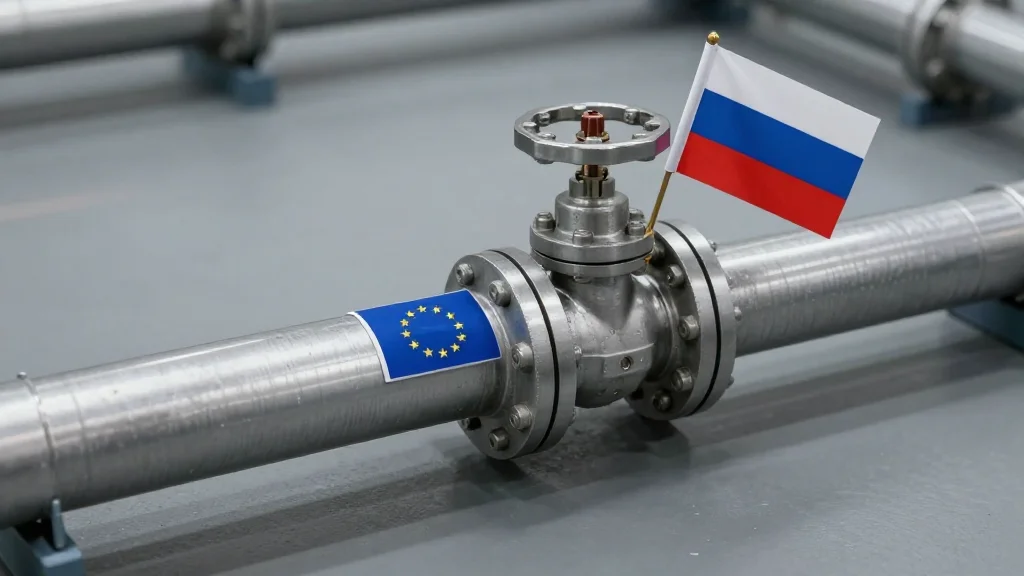
EU Widens Sanctions on Russian Energy Sector
Companies Mentioned
Why It Matters
The sanctions tighten economic pressure on Russia's energy revenues while limiting EU exposure to Russian oil‑related services, reshaping the continent’s energy security calculus.
Key Takeaways
- •EU adds Bashneft, Slavneft, Nizhnevolzhskneft to sanctions list
- •12 Russian oil refineries and Gazprom subsidiaries now barred for EU firms
- •46 LNG tankers and icebreakers join EU's shadow‑fleet blacklist, total 632 vessels
- •Sanctions target Russian drill‑bit maker Volgaburmash and related maritime assets
- •Russia threatens to resume Nord Stream gas shipments amid EU pressure
Pulse Analysis
The EU’s latest sanctions deepen a strategy that began in 2022, aiming to choke off the cash flow that fuels Moscow’s war effort. By targeting regional oil producers such as Bashneft and Slavneft, the bloc attacks the downstream supply chain that supports Russia’s export earnings. The inclusion of 12 refineries—many repeatedly hit by Ukrainian drones—further isolates Russian processing capacity, forcing the country to rely on older, less efficient facilities and increasing the risk of supply disruptions.
Maritime restrictions form the second pillar of the EU’s approach. Adding 46 LNG tankers and icebreakers to the shadow‑fleet blacklist curtails Russia’s ability to move liquefied natural gas from Arctic projects like Yamal LNG to European markets, especially during winter when ice‑breaking support is critical. The move also signals to ship owners that any future contracts must contain resale prohibitions, tightening compliance burdens and discouraging indirect dealings with sanctioned entities.
For European energy markets, the sanctions create both challenges and opportunities. While short‑term supply volatility may rise, especially if Russia redirects flows to Asia, the pressure accelerates diversification efforts, prompting faster investment in renewables and alternative gas sources. Meanwhile, Russian firms face heightened financing costs and limited access to Western technology, potentially eroding their long‑term competitiveness. The evolving sanctions landscape underscores how geopolitical tools are increasingly intertwined with energy policy and corporate risk management.
EU widens sanctions on Russian energy sector
Comments
Want to join the conversation?
Loading comments...