Europe Emerges As Key Buyer Of U.S. Strategic Petroleum Reserve Oil
Companies Mentioned
Why It Matters
Europe’s access to discounted SPR crude temporarily improves refining margins and eases gasoline price spikes, but the relief is fleeting as structural supply constraints from Middle‑East disruptions remain.
Key Takeaways
- •Europe received ~50 M barrels, mainly via UK’s Vortexa
- •U.S. SPR oil sold to Europe at $5/barrel discount to Brent
- •Major traders Trafigura, Shell, BP, Marathon secured 21‑30 M barrels
- •Release offsets ~8 M barrels daily loss, lasting ~50 days
- •Impact temporary; global supply constraints persist due to Hormuz closure
Pulse Analysis
The International Energy Agency’s coordinated strategic‑reserve release, announced in March, earmarked 172 million barrels from the United States to blunt soaring energy costs amid the Middle‑East conflict. The 120‑day drawdown began late March and is designed to inject liquidity into a market where the Strait of Hormuz—one of the world’s most vital oil arteries—remains largely closed. By loaning oil from the SPR, the U.S. government hopes to stabilize global supply without permanently depleting its emergency stockpile, which still holds about 415 million barrels.
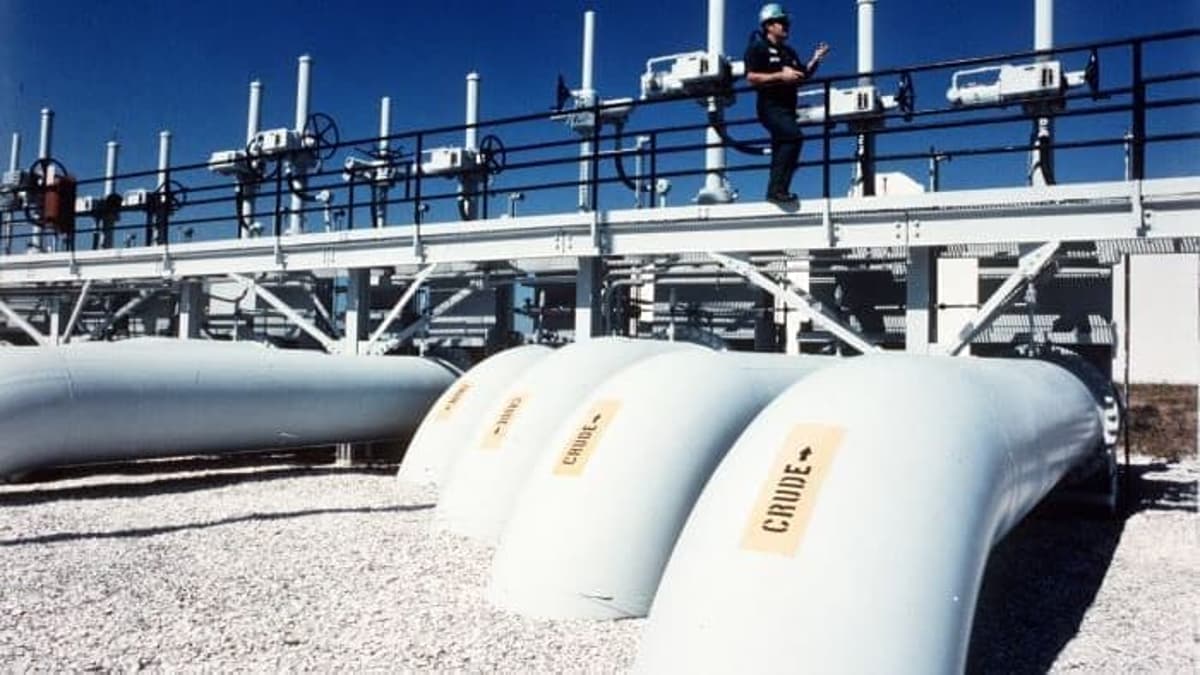
European refiners have been the most aggressive participants in the U.S. loan program, snapping up roughly 50 million barrels through intermediaries such as Vortexa. The sour crude, sourced from the Bryan Mound cavern, is priced about $5 per barrel below comparable European grades, sharpening refining spreads at a time when Brent hovers near $105. Traders like Trafigura, Shell, BP and Marathon have each secured multi‑million‑barrel allocations, positioning Europe to meet short‑term demand while domestic inventories remain strained.
Despite the immediate price relief, the SPR release is a stop‑gap measure. Standard Chartered estimates the IEA’s combined strategic releases will cover only about 50 days of the roughly 8 million‑barrel daily shortfall caused by the Hormuz shutdown. With insurance premiums soaring and tolls exceeding $1 million per vessel, alternative shipping routes remain costly, limiting any rapid rebound in supply. Consequently, the market is likely to see continued volatility, and policymakers may need to consider longer‑term solutions beyond temporary oil loans.
Europe Emerges As Key Buyer Of U.S. Strategic Petroleum Reserve Oil
Comments
Want to join the conversation?
Loading comments...