Companies Mentioned
Why It Matters
The financing accelerates Europe’s renewable‑hydrogen supply chain, strengthening green‑fuel infrastructure and helping meet ambitious climate targets across the continent.
Key Takeaways
- •€228 million (~$250 million) funding approved for 150 MW expansion.
- •Project selected among three under Germany’s hydrogen auction scheme.
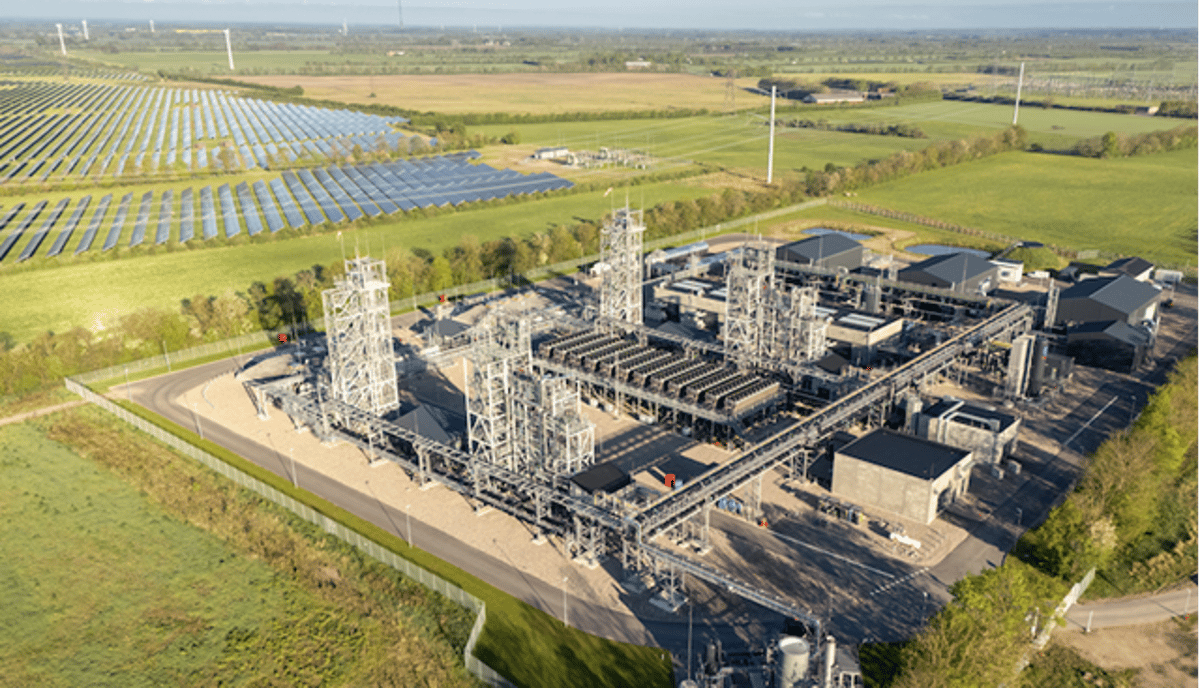
- •Supports hydrogen production at Kassø, linked to e‑methanol facility.
- •Aims to build Denmark‑Germany hydrogen pipeline for off‑takers.
- •Highlights Germany’s push for renewable fuel certification (RFNBO).
Pulse Analysis
European Energy’s recent win in Germany’s hydrogen auction underscores the growing financial commitment to green‑hydrogen projects across Europe. The €228 million (roughly $250 million) grant, channeled through the European Hydrogen Bank, will fund a 150 MW capacity boost at the Kassø facility, which already co‑produces e‑methanol with Mitsui. By aligning Danish production with German demand, the project taps into the German government’s RFNBO (Renewable Fuels of Non‑Biomass Origin) certification scheme, which incentivizes low‑carbon fuels for road transport and creates a clear market signal for renewable hydrogen.
The award is part of a broader German strategy to secure a reliable supply of renewable hydrogen and its derivatives, positioning the country as a hub for green‑fuel imports. By selecting only three projects, the auction highlights a competitive, merit‑based approach that rewards scalable, export‑oriented facilities. The planned hydrogen pipeline linking Denmark and Germany will not only reduce transport costs but also provide a physical backbone for cross‑border energy trade, reinforcing the EU’s integrated energy market and supporting the continent’s decarbonisation roadmap.
For investors and policymakers, the deal illustrates how public funding can de‑risk large‑scale renewable projects and accelerate market adoption. European Energy’s appeal to the incoming Danish administration to commit to the necessary infrastructure signals a push for coordinated policy action, essential for unlocking further private capital. As green‑hydrogen demand rises—driven by sectors such as steel, chemicals, and transport—projects like Kassø are poised to become pivotal nodes in Europe’s low‑carbon economy, offering long‑term growth opportunities for the renewable energy sector.
European Energy wins German hydrogen support
Comments
Want to join the conversation?
Loading comments...