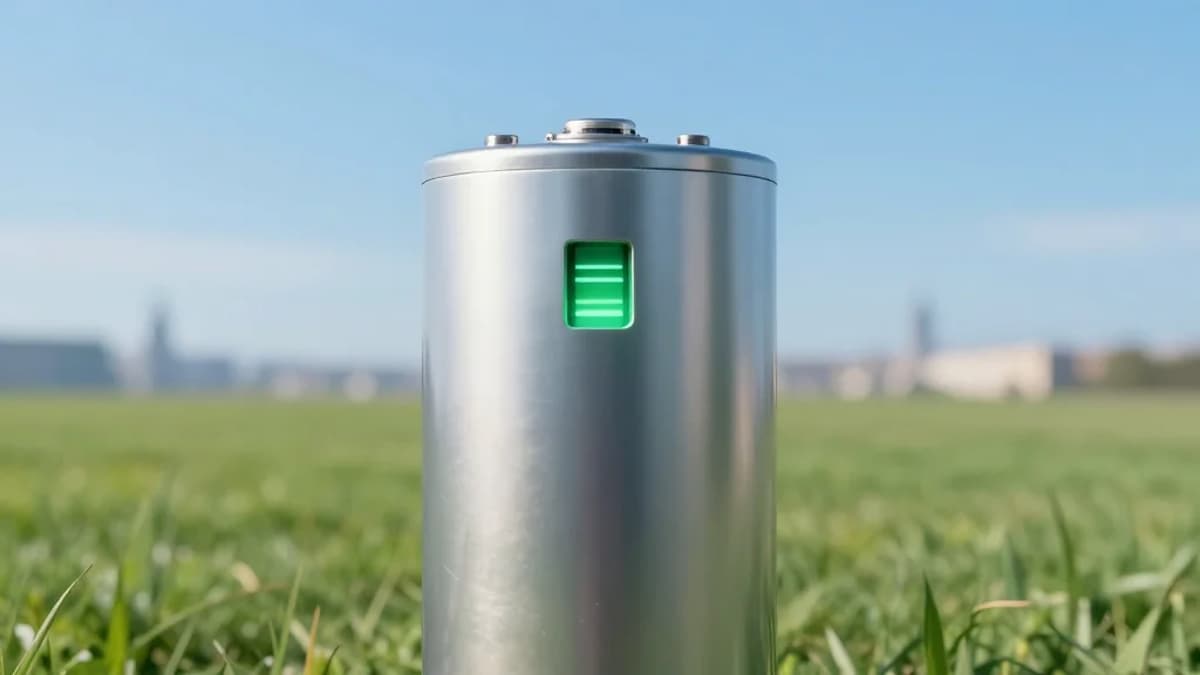
Europe’s Battery Markets on the Rise: Germany Leads, Romania and Bulgaria Emerging
•February 25, 2026
0
Why It Matters
The rapid scale‑up highlights Europe’s push toward decarbonisation and creates sizable investment opportunities, but regulatory and grid challenges require innovative business models.
Key Takeaways
- •Germany leads with over 5 GW installed capacity
- •UK and Italy follow, supported by diversified revenue streams
- •Romania and Bulgaria enter top ten emerging battery markets
- •Four‑hour batteries attract half of €24 bn 2030 investments
- •Innovative tolling agreements mitigate cash‑flow risks
Pulse Analysis
Europe’s energy transition is increasingly dependent on large‑scale battery storage to balance intermittent renewables. Long‑duration batteries, especially four‑hour systems, are becoming the backbone of this flexibility, allowing grid operators to shift excess generation from wind and solar into usable power during peak demand. As the continent targets net‑zero emissions, the need for reliable, dispatchable storage is driving a surge in capital allocation, positioning battery projects alongside traditional generation assets in future power markets.
Germany’s early advantage stems from robust policy support, high flexibility demand, and a mature market ecosystem, making it the clear frontrunner. The United Kingdom leverages diversified revenue streams—from ancillary services to capacity markets—while Italy’s government‑backed MACSE programme accelerates long‑duration deployments. Meanwhile, Romania and Bulgaria are emerging as attractive frontiers thanks to favorable economic conditions and growing political backing, expanding the investment landscape beyond the traditional powerhouses. This geographic diversification spreads risk and opens new avenues for multinational developers seeking early‑stage opportunities.
The rapid deployment also surfaces operational challenges. Grid‑connection bottlenecks in mature markets limit project timelines, prompting investors to explore innovative offtake structures such as tolling agreements that decouple revenue from traditional power‑purchase contracts. Flexible Grid Connection Agreements (FCA) are gaining attention as regulators adapt to the unique characteristics of battery assets. These evolving financing models, combined with a clear regulatory trajectory, suggest that investors who can navigate both the technical and policy dimensions will capture the most value as Europe’s battery market accelerates toward the 80 GW horizon.
Europe’s Battery Markets on the Rise: Germany Leads, Romania and Bulgaria Emerging
0
Comments
Want to join the conversation?
Loading comments...