Europe's Electrification Push Exposes Gaps in Grids and Policy
Companies Mentioned
Why It Matters
Without rapid grid upgrades and aligned policies, Europe risks missing climate goals and losing competitiveness in the global clean‑energy market.
Key Takeaways
- •EU targets net‑zero by 2050, demanding extensive grid reinforcement
- •Current transmission capacity falls short of projected 1,200 GW renewable load
- •Policy incentives lag behind infrastructure needs, slowing project approvals
- •Public‑private financing gaps risk delaying critical interconnector investments
Pulse Analysis
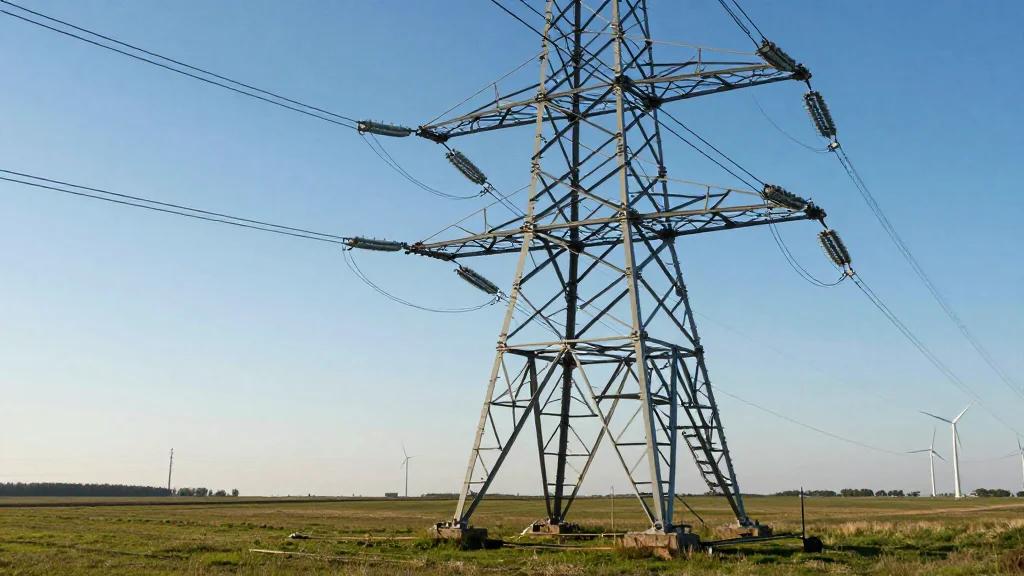
Europe’s electrification drive is more than a political slogan; it is a massive engineering challenge that will reshape the continent’s energy landscape. The EU’s climate legislation envisions a shift from fossil fuels to electricity for transport, heating and industry, which translates into an estimated 1,200 GW of new renewable capacity. Existing transmission lines, many built for a fraction of that load, are already operating near their limits, prompting utilities to file urgent upgrade requests. This surge in demand highlights the urgent need for coordinated investment strategies that bridge the gap between policy ambition and physical infrastructure.
Policy misalignment compounds the technical hurdles. While the European Commission offers subsidies and tax incentives for renewable projects, grid connection procedures remain fragmented across member states. Lengthy permitting processes and unclear cost‑recovery mechanisms deter private investors, especially for cross‑border interconnectors that are vital for balancing intermittent generation. Aligning regulatory frameworks with the pace of renewable deployment is essential to unlock the capital required for high‑voltage corridors, storage facilities, and digital grid management tools.
Financing the grid transformation will require a blend of public funding, private capital, and innovative financing models. The European Investment Bank has pledged billions, yet the scale of required upgrades—estimated in the hundreds of billions of euros—exceeds public budgets. Leveraging green bonds, public‑private partnerships, and risk‑sharing mechanisms can attract institutional investors seeking stable, long‑term returns. Successfully closing these financing gaps will not only ensure reliable power supply but also cement Europe’s leadership in the global clean‑energy transition.
Europe's electrification push exposes gaps in grids and policy
Comments
Want to join the conversation?
Loading comments...