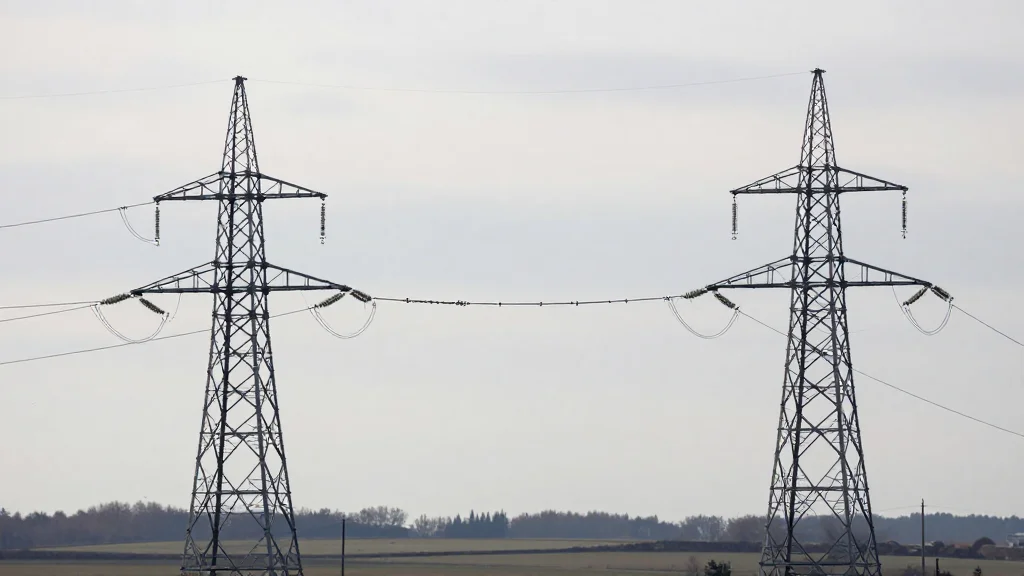
Europe’s Power‑Grid Bottlenecks Threaten Electrification Targets

Why It Matters
The grid bottlenecks threaten the EU’s ability to meet legally binding climate targets, potentially forcing a reliance on fossil‑fuel imports and undermining energy security. Industrial competitiveness also hinges on reliable electricity; prolonged delays could shift high‑value manufacturing to regions with more robust infrastructure, weakening Europe’s economic position in a geopolitically tense world. Finally, the financing gap highlights a broader policy challenge: aligning massive public climate ambitions with realistic, market‑driven investment pathways. Addressing the grid shortfall is not just a technical fix but a strategic imperative. A coordinated European approach could unlock economies of scale, reduce permitting times and attract private capital, ensuring that the continent’s renewable surge translates into actual emissions reductions and economic growth.
Key Takeaways
- •Over 15,000 companies in the Netherlands are on waiting lists for grid connections.
- •EU grid upgrades are estimated to cost trillions of euros (≈$1.1 trillion).
- •Renewable generation sometimes exceeds demand, yet the grid cannot deliver during peak consumption.
- •Permitting and regulatory fragmentation delay transmission projects across member states.
- •The European Commission plans a "grid of the future" initiative to streamline financing and approvals.
Pulse Analysis
Europe’s electrification push is a classic case of policy outpacing infrastructure. The EU’s top‑down ambition—driven by the European Green Deal and von der Leyen’s climate agenda—has succeeded in spurring renewable capacity, but the physical network required to move that power has lagged. Historically, grid expansion has been a slow, locally governed process, and the pandemic‑era supply chain crunch only deepened the lag. The Dutch example shows that even a market‑forward nation can hit a hard ceiling when transmission and distribution assets cannot keep up.
The financing challenge is equally daunting. Traditional utility models, which rely on regulated returns, are ill‑suited for the massive, cross‑border investments needed. The EU’s proposal for a dedicated financing instrument could mimic the success of the European Investment Bank’s green bond program, but it must overcome political resistance to shared fiscal risk. Private investors are wary of regulatory uncertainty, especially in countries where permitting can take years.
Looking ahead, the grid bottleneck could become a decisive factor in Europe’s global competitiveness. If the EU fails to resolve these constraints, it may cede leadership in emerging clean‑tech sectors—such as green hydrogen and offshore wind—to the United States or China, where infrastructure pipelines are more synchronized with policy goals. Conversely, a successful EU‑wide grid strategy could set a new benchmark for coordinated climate infrastructure, reinforcing Europe’s position as a leader in the energy transition.
The next six months will be critical. The Commission’s upcoming “grid of the future” roadmap, combined with national rollout plans, will test whether political will can translate into concrete, on‑the‑ground progress. Stakeholders will be watching closely for concrete financing commitments, streamlined permitting rules, and measurable capacity additions that can finally bridge the gap between renewable ambition and deliverable electricity.
Europe’s Power‑Grid Bottlenecks Threaten Electrification Targets
Comments
Want to join the conversation?
Loading comments...