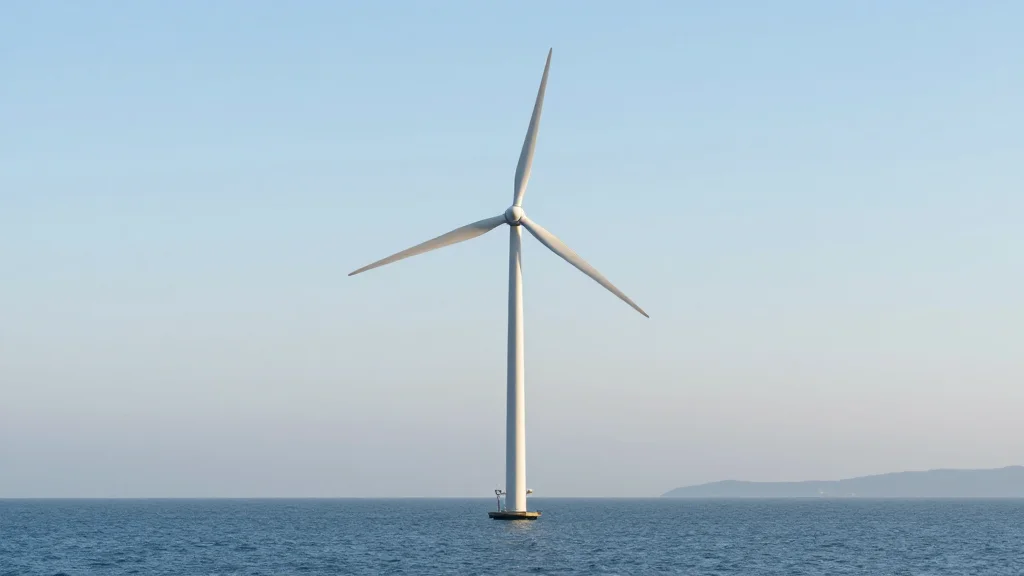
Europe's Two Turbine Maker Reality for Offshore Wind – and How to Make It Work
Companies Mentioned
Why It Matters
The constrained OEM landscape makes offshore wind delivery a systemic challenge; aligning contracts, demand visibility, and industrial support is essential to meet Europe’s renewable targets and maintain supply‑chain resilience.
Key Takeaways
- •Europe relies on Vestas and Siemens Gamesa for offshore turbines.
- •Fixed‑bottom can stabilize with disciplined contracts and demand sequencing.
- •Floating wind needs a separate pipeline, smaller pilot projects.
- •De‑risking OEMs and standardising turbine‑floater interfaces are essential.
- •Port‑centric industrial hubs boost floating turbine manufacturing and deployment.
Pulse Analysis
Europe’s offshore wind sector is at a crossroads as it leans on just two turbine manufacturers. Vestas and Siemens Gamesa have begun to restore profitability by tightening project selection and focusing on repeatable, bankable assets. This prudent approach improves margins but leaves policymakers grappling with a supply‑side bottleneck that cannot absorb the volatility of aggressive auction designs. The industry must therefore pivot from pure price competition to a holistic system design that integrates grid, port, and logistics constraints.
Floating wind, the next frontier for deep‑water capacity, cannot rely on the same playbook as fixed‑bottom farms. The technology carries higher technical variability, larger capital exposure, and a fragmented supply chain, making OEMs wary of committing resources without clear risk mitigation. A viable floating strategy calls for a sequenced pipeline of 100‑300 MW demonstrators, shared warranty frameworks, and standardized turbine‑floater interfaces. By limiting early‑stage liabilities and fostering repeatable designs, manufacturers gain the confidence to invest in engineering and production capacity.
Policy makers play a decisive role in shaping this two‑OEM ecosystem. Contracts should feature indexed pricing and transparent macro‑risk pass‑through, while demand visibility must be anchored in coordinated auction timing, grid readiness, and leasing schedules. Concentrating floating‑wind activities in a few well‑equipped ports creates economies of scale and accelerates industrial learning. With these aligned incentives, Europe can sustain a disciplined fixed‑bottom market and nurture a parallel, scalable floating sector, ensuring the continent meets its renewable energy ambitions without over‑reliance on a single supply source.
Europe's two turbine maker reality for offshore wind – and how to make it work
Comments
Want to join the conversation?
Loading comments...