EV Batteries and Solar Panels versus Climate Change
•March 2, 2026
0
Companies Mentioned
Why It Matters
The findings reassure consumers and manufacturers that EV adoption remains viable under climate warming, while exposing a standards gap for solar installations that could hinder renewable deployment.
Key Takeaways
- •New EV batteries lose only ~3% lifetime at +2°C
- •Old 2010‑2018 batteries could lose up to 30% lifetime
- •Study used Tesla Model 3 and VW ID.3 only
- •Warmest cities may see biggest relative battery performance gains
- •Solar panel standards underestimate high‑temp risks, need revision
Pulse Analysis
Recent laboratory breakthroughs and manufacturing scale‑up have dramatically improved lithium‑ion cell chemistry, thermal management, and degradation modeling. The University of Michigan’s simulation framework shows that next‑generation packs lose only a few percent of capacity even under a 2 °C temperature rise, effectively decoupling EV range anxiety from climate trends. This resilience is especially important as policy makers tighten emissions targets and consumers weigh total‑ownership costs against conventional vehicles.
However, the study’s scope is limited to two mass‑market models—Tesla’s Model 3 and Volkswagen’s ID.3—representing a narrow slice of the global fleet. Emerging markets such as India and sub‑Saharan Africa rely on a broader mix of lower‑cost, less‑optimized EVs, where the same thermal safeguards may not exist. Consequently, the projected performance gains could be overstated for regions that will experience the most severe warming, underscoring the need for localized testing and diversified product strategies.
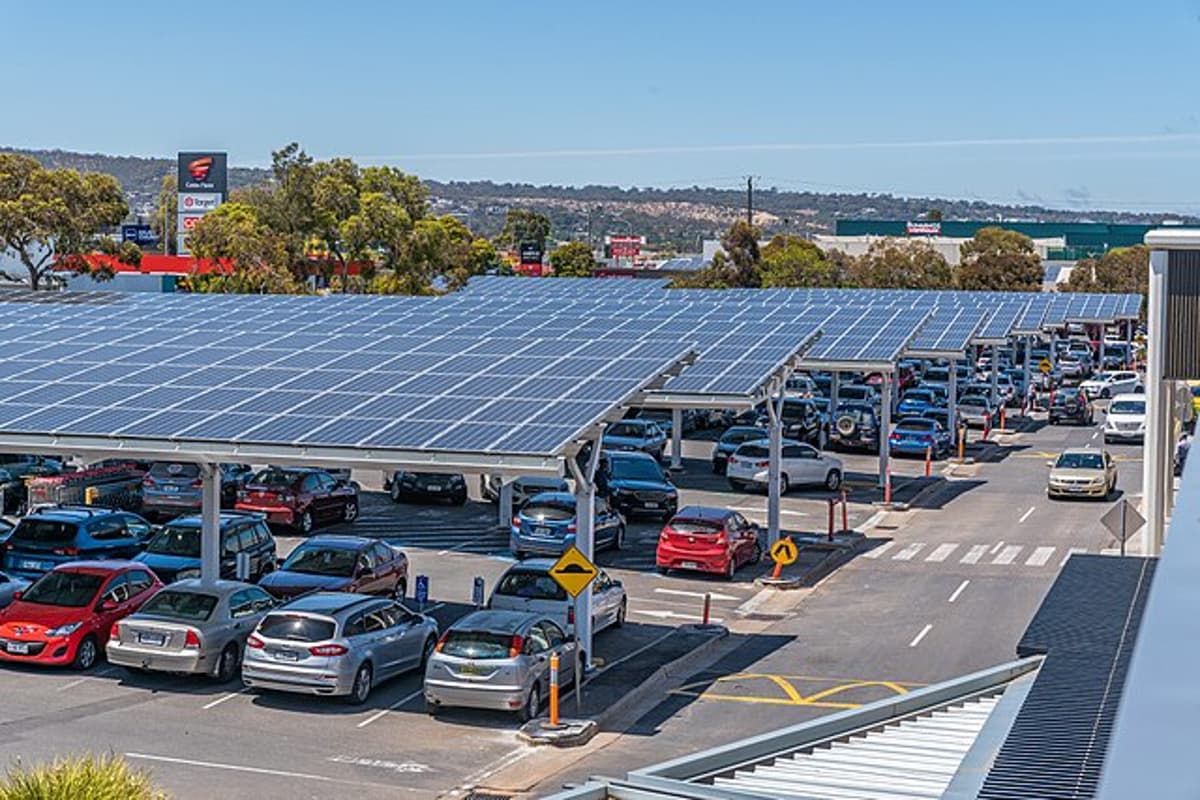
Parallel research on rooftop photovoltaics reveals a different vulnerability: existing IEC standards underestimate high‑temperature degradation, leaving many installations exposed to premature efficiency loss. Updating these standards opens a menu of engineering solutions—from advanced encapsulants to active cooling—that can safeguard solar output as heatwaves become more frequent. Aligning battery durability insights with revised solar guidelines will reinforce the overall resilience of the clean‑energy ecosystem, supporting both vehicle electrification and renewable power growth.
EV batteries and solar panels versus climate change
0
Comments
Want to join the conversation?
Loading comments...