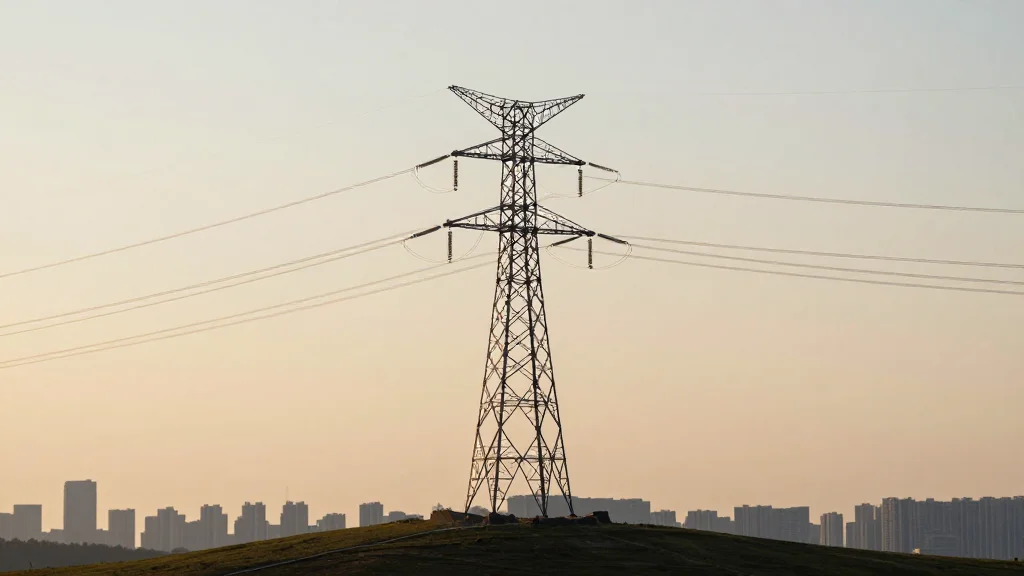
Exelon Lowers Utility Spending to Ease Electric Affordability Issues
Companies Mentioned
Why It Matters
By shifting capital toward transmission, Exelon aims to improve grid reliability and curb consumer cost pressures, a move that will shape regulator and investor expectations across the utility sector.
Key Takeaways
- •Exelon trims $350 million from 2024 capital budget.
- •$1.5 billion redirected to transmission projects through 2029.
- •Transmission rate base projected to rise 16% annually.
- •Pending Maryland rate case could add $120 million to bills.
- •First‑quarter income climbs to $919 million, revenue up 7%.
Pulse Analysis
Exelon’s decision to slash $350 million from its capital budget reflects a broader industry trend of utilities rebalancing investment priorities amid rising electricity costs for residential customers. While many utilities have been expanding generation assets, Exelon is betting on transmission upgrades to address bottlenecks and accommodate growing demand from data‑center customers, whose power needs are driving new interconnection requests. This strategic pivot signals to investors that the company is focusing on assets with clearer, long‑term revenue streams and lower regulatory risk.
The emphasis on transmission aligns with Exelon’s forecast of a 16% annual increase in the transmission rate base through 2029, underscoring the critical role of grid modernization in maintaining reliability. Data‑center pipelines, now pegged at 18 GW of high‑probability projects, require robust, low‑loss pathways, prompting the utility to partner with firms like Invenergy on multi‑billion‑dollar bids. Moreover, the company’s $12‑$17 billion pipeline of potential transmission projects, not yet in the capital plan, highlights a sizable upside that could further bolster earnings if approved by regulators.
Financially, Exelon reported first‑quarter income of $919 million and a 7% revenue lift to $6.2 billion, partly buoyed by modest rate increases. However, pending rate cases in Maryland ($120 million hike) and Delaware ($45 million hike) could add upward pressure on residential bills, testing the utility’s affordability narrative. Investors will watch how Exelon balances the need for infrastructure investment with regulatory outcomes, as successful transmission projects could deliver stable cash flow while mitigating the political risk of utility‑owned generation in key markets like Pennsylvania.
Exelon lowers utility spending to ease electric affordability issues
Comments
Want to join the conversation?
Loading comments...