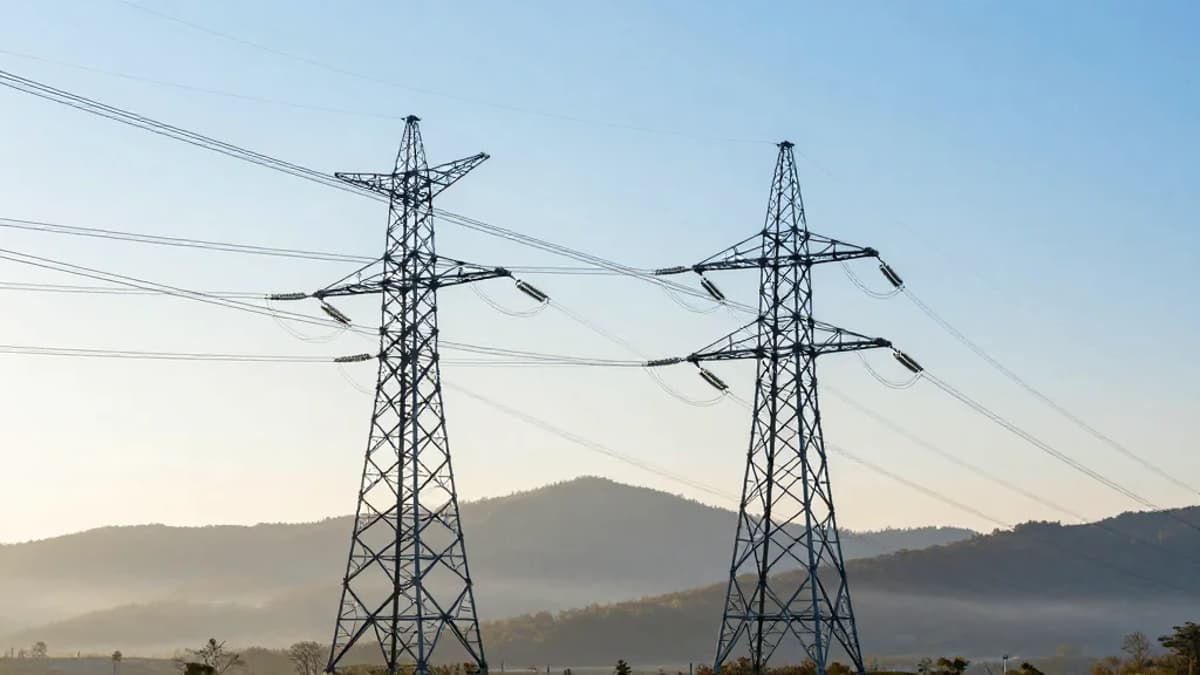
Expanding Transmission Infrastructure to Achieve Low-Cost, Reliable, and Abundant Energy
•March 3, 2026
0
Why It Matters
The ability to expand and modernize transmission is critical for delivering affordable, reliable power to meet rising demand and to integrate new generation capacity. Without addressing these bottlenecks, grid congestion will continue to drive high consumer costs and hinder clean‑energy goals.
Key Takeaways
- •Transmission build rate fell from 1,700 to 350 miles annually
- •Permitting takes average 6.5 years, hindering projects
- •$20.8B grid congestion cost hit consumers in 2022
- •Coordinated regional planning can unlock cost savings
- •Advanced conductors and dynamic ratings boost capacity
Pulse Analysis
The United States faces an unprecedented surge in electricity demand, fueled by the rapid expansion of data centers and the broader electrification of transport, heating, and industry. Yet, the nation’s transmission infrastructure has struggled to keep pace, with annual high‑voltage line construction plummeting from 1,700 miles in the early 2010s to just 350 miles in recent years. This shortfall not only throttles the integration of over 2,600 GW of new generation awaiting interconnection but also imposes a $20.8 billion congestion cost on consumers, underscoring the urgency of grid modernization.
Four systemic barriers dominate the transmission bottleneck: fragmented permitting that stretches projects over an average of 6.5 years, the prohibitive expense of upgrading decades‑old assets, isolated utility planning that prevents cost‑sharing across regions, and supply‑chain constraints on critical materials. Recent initiatives from the Department of Energy, FERC rulemakings, and executive actions signal progress, yet the regulatory maze and financing gaps remain formidable. Addressing these challenges requires a coordinated policy push that streamlines approvals, sets clear timelines, and engages communities early in the process.
A comprehensive strategy can unlock substantial savings and reliability gains. Coordinated regional planning enables utilities to pool resources and share transmission corridors, while advanced conductors and dynamic line‑rating technologies increase line capacity without new right‑of‑way acquisition. Innovative financing tools—such as green bonds and public‑private partnerships—can bridge capital gaps, and diversified supply chains reduce material shortages. Together, these measures promise to transform the grid into a resilient backbone capable of delivering low‑cost, abundant energy for the next decade and beyond.
Expanding transmission infrastructure to achieve low-cost, reliable, and abundant energy
0
Comments
Want to join the conversation?
Loading comments...