Experimental Study of Sand Agglomeration Chemical Performance Under Varying Sand Characteristics Based on Field T
Why It Matters
The results demonstrate a chemical‑only option that can halve sand influx while preserving flow, offering operators a less invasive alternative to mechanical screens and costly resin treatments.
Key Takeaways
- •Ultra‑fine sand D₅₀ grew 1,479 % after SAC treatment.
- •Fine sand D₅₀ increased 1,163 % with SAC.
- •Total sand production fell over 53 % across both sands.
- •Permeability retained 89 % for fine sand, 47 % for ultra‑fine.
- •Hybrid SAC plus wire‑wrapped screen deemed technically viable.
Pulse Analysis
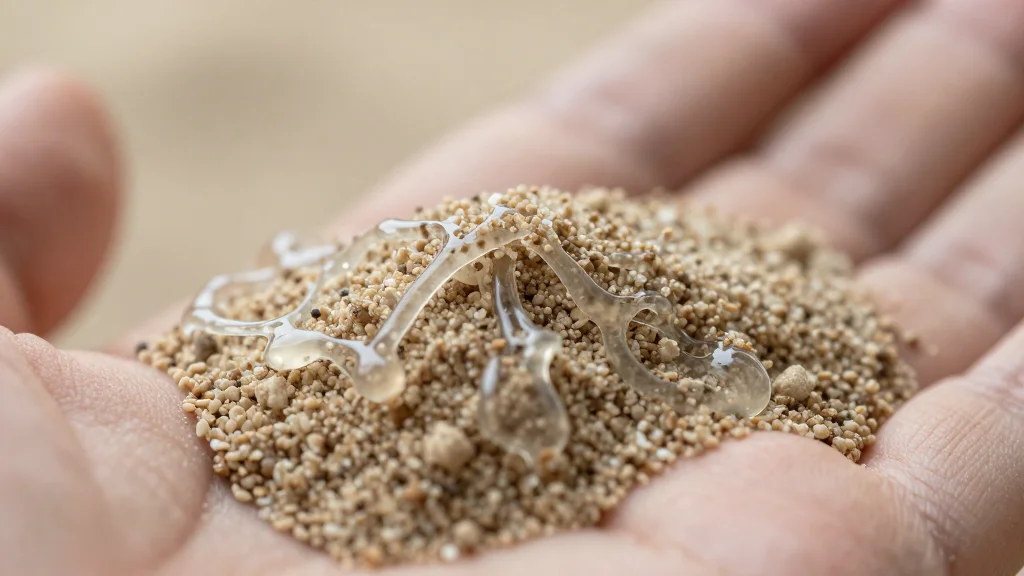
Sand influx is a chronic challenge in unconsolidated reservoirs, driving equipment wear, downtime, and lost production. Conventional mechanical screens often struggle with sub‑45 µm fines, while resin consolidation can impair permeability and inflate operating costs. A polymer‑based sand agglomeration chemical (SAC) offers a non‑mechanical pathway by binding fine particles into larger aggregates that can be captured downstream, potentially reducing the need for frequent screen cleaning and expensive chemical treatments.
The Field T study compared SAC performance on two synthetic sand grades that mimic the reservoir’s particle‑size distribution. After 48 hours at 90 °C, ultra‑fine sand exhibited a staggering 1,479 % increase in median particle size, and fine sand grew by 1,163 %. Both grades saw sand production drop by more than half, confirming the chemical’s agglomeration efficiency. However, the ultra‑fine batch suffered a permeability penalty, retaining only 47 % of its original flow capacity, whereas fine sand maintained 89 % permeability. This trade‑off underscores the importance of matching SAC formulation to the specific PSD to avoid pore blockage while still achieving sand control.
For operators, the hybrid approach—combining SAC with a wire‑wrapped screen—provides a flexible, low‑damage solution that can be tuned to field‑specific sand characteristics. The technology promises lower maintenance cycles, reduced chemical consumption, and improved wellbore integrity. As the industry seeks to extend the life of mature fields and cut operational expenditures, integrating polymer sand agglomeration into existing sand‑control arsenals could become a standard practice, especially where fine‑sand production threatens productivity.
Experimental Study of Sand Agglomeration Chemical Performance Under Varying Sand Characteristics Based on Field T
Comments
Want to join the conversation?
Loading comments...