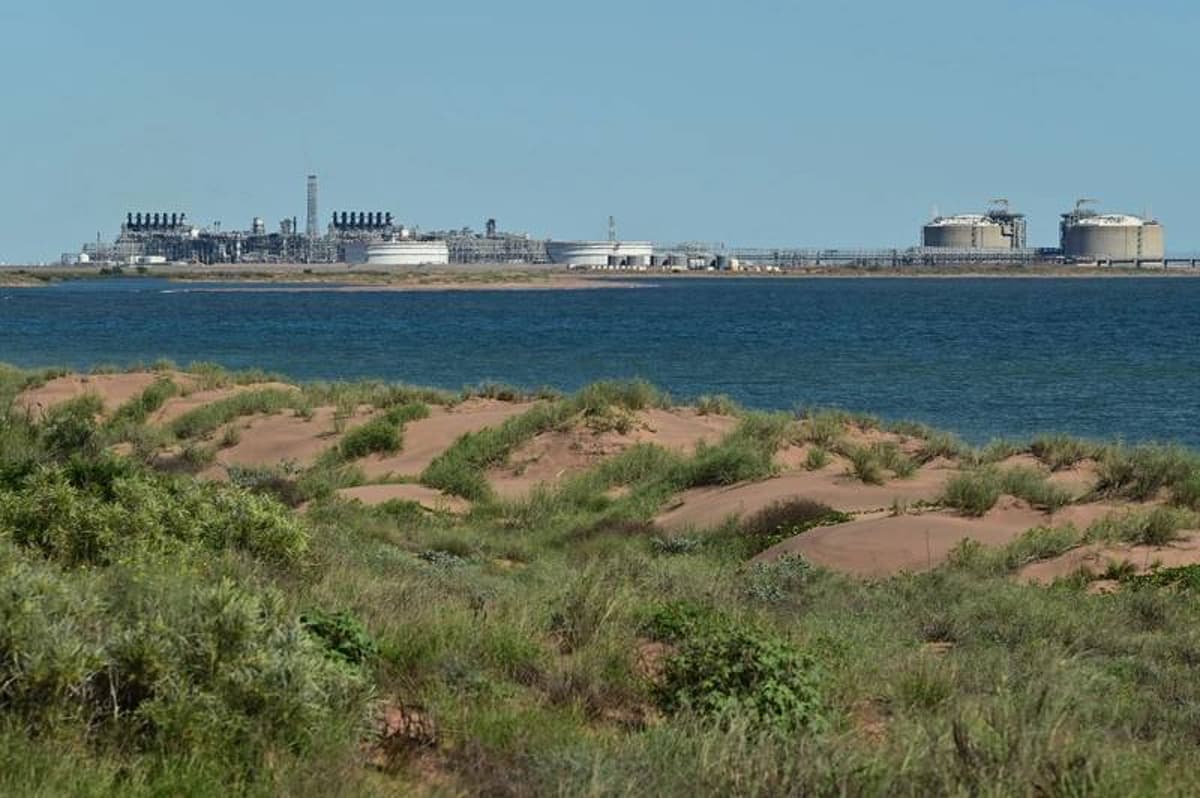
Export Curbs Should Not Harm Australia's Biggest LNG-Producing State
Companies Mentioned
Why It Matters
The reservation policy could reshape export volumes and pricing for Australia’s LNG sector, influencing both domestic energy security and the country’s position in the global market.
Key Takeaways
- •Federal government reserves 20% of gas for domestic use starting July 2027.
- •WA already mandates 15% domestic gas, raising concerns over overlap.
- •Premier Roger Cook says assurances from Minister King mitigate industry risk.
- •Woodside and Chevron warn of potential export disruptions under new rules.
- •Policy uses lifecycle production metric, differing from WA’s annual measure.
Pulse Analysis
The Australian LNG sector has surged to become the world’s second‑largest exporter after recent disruptions in Qatar, with Western Australia supplying roughly two‑thirds of that output. In response to tightening supply on the east coast, the federal government unveiled a Domestic Supply Obligation that will reserve 20 percent of all gas production for the domestic market beginning July 2027. Unlike the state‑level scheme, which caps annual output, the national policy measures total lifecycle production, a distinction that could reshape contract structures and investment decisions across the value chain.
Western Australia’s existing 15 percent reservation framework has long been considered a stable pillar for local power and industrial users. Premier Roger Cook’s public reassurance, citing a personal rapport with Resources Minister Madeleine King, aims to calm the anxiety of major exporters such as Woodside Energy and Chevron, who fear that the overlay of a federal quota could erode export volumes or increase compliance costs. The lack of detailed exemption criteria and the divergent measurement methodology leave room for legal and operational ambiguity, prompting industry groups to seek clearer guidance before committing to new development projects.
From a market perspective, the dual‑layer reservation system could tighten east‑coast gas prices, encouraging domestic consumption and potentially reducing Australia’s reliance on spot‑market exports. However, if the federal quota proves more restrictive than anticipated, it may incentivize producers to shift focus toward higher‑value liquefied natural gas contracts abroad, preserving export revenue while meeting domestic obligations through ancillary assets. Analysts will watch how the policy integrates with state regulations, as any misalignment could affect Australia’s competitive standing in the global LNG race, especially as demand rebounds in Asia.
Export Curbs Should not Harm Australia's Biggest LNG-producing State
Comments
Want to join the conversation?
Loading comments...