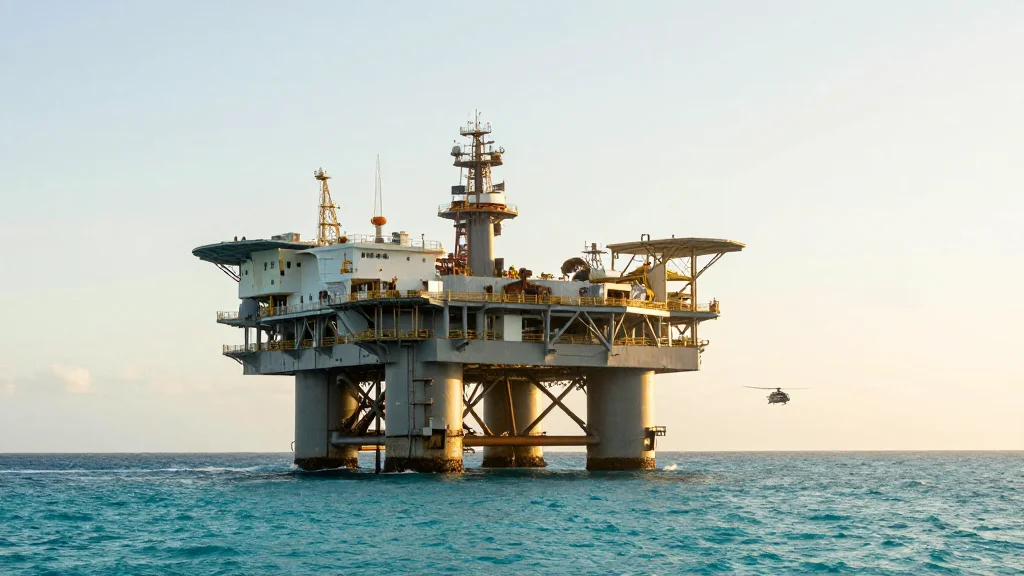
Exxon Mobil's Stabroek Block Discovery Adds 11bn Barrels, Targets 1m Bpd by 2026

Companies Mentioned
Why It Matters
The Stabroek discovery injects a sizable new supply source into a market already strained by Middle‑East disruptions, offering a counterbalance to the recent 30 percent surge in crude prices. For Exxon, the find diversifies its production base away from the increasingly volatile Gulf region and reinforces its position as the world’s largest publicly traded oil producer. Beyond corporate earnings, the development could transform Guyana’s economy, shifting it from one of the poorest nations in South America to a significant oil exporter. That transition brings both opportunities—job creation, fiscal revenue, infrastructure upgrades—and challenges, including managing the environmental footprint of accelerated offshore drilling and navigating the geopolitical sensitivities of a resource‑rich Caribbean state.
Key Takeaways
- •Exxon estimates Stabroek Block holds ~11 billion barrels of oil‑equivalent reserves
- •Production expected to exceed 1 million barrels per day by end‑2026
- •Stabroek spans 6.6 million acres, roughly the size of Massachusetts
- •Exxon shares rose 41 % in Q1 on the news, then fell 10 % in April after LNG damage disclosure
- •Hammerhead project slated to start up later in 2026, adding further capacity
Pulse Analysis
Exxon’s Stabroek announcement arrives at a crossroads for the oil industry. On one hand, the sheer size of the reserve base provides a rare growth catalyst for a mature supermajor that has struggled to find new, low‑cost assets in recent years. The projected 1 million‑plus barrels per day output will lift the company’s upstream margin profile, especially as the field benefits from relatively shallow water depths and existing infrastructure on the Guyana coast.
On the other hand, the discovery amplifies the strategic dilemma of expanding fossil‑fuel production amid tightening climate regulations. While the added supply may temper price spikes caused by Middle‑East volatility, it also locks in decades of carbon emissions unless Exxon can pair the development with aggressive carbon‑capture or offset strategies. Investors are likely to weigh the near‑term earnings boost against the longer‑term ESG risk premium that institutional capital increasingly demands.
Geopolitically, Guyana’s ascent as a major oil exporter could reshape regional power dynamics. The country’s modest diplomatic clout will be buoyed by revenue streams that attract attention from both the United States and China, potentially prompting a new wave of infrastructure investment and strategic partnerships. Exxon, already a key political player in Washington, may leverage its Guyana foothold to influence policy debates on energy security and climate commitments.
In sum, the Stabroek find is a double‑edged sword: it offers Exxon a tangible growth engine and a hedge against supply shocks, but it also forces the company to confront the accelerating transition to cleaner energy. How Exxon balances capital allocation between Stabroek, its low‑cost Permian assets, and emerging low‑carbon technologies will define its competitive edge in the next decade.
Exxon Mobil's Stabroek Block discovery adds 11bn barrels, targets 1m bpd by 2026
Comments
Want to join the conversation?
Loading comments...