Why It Matters
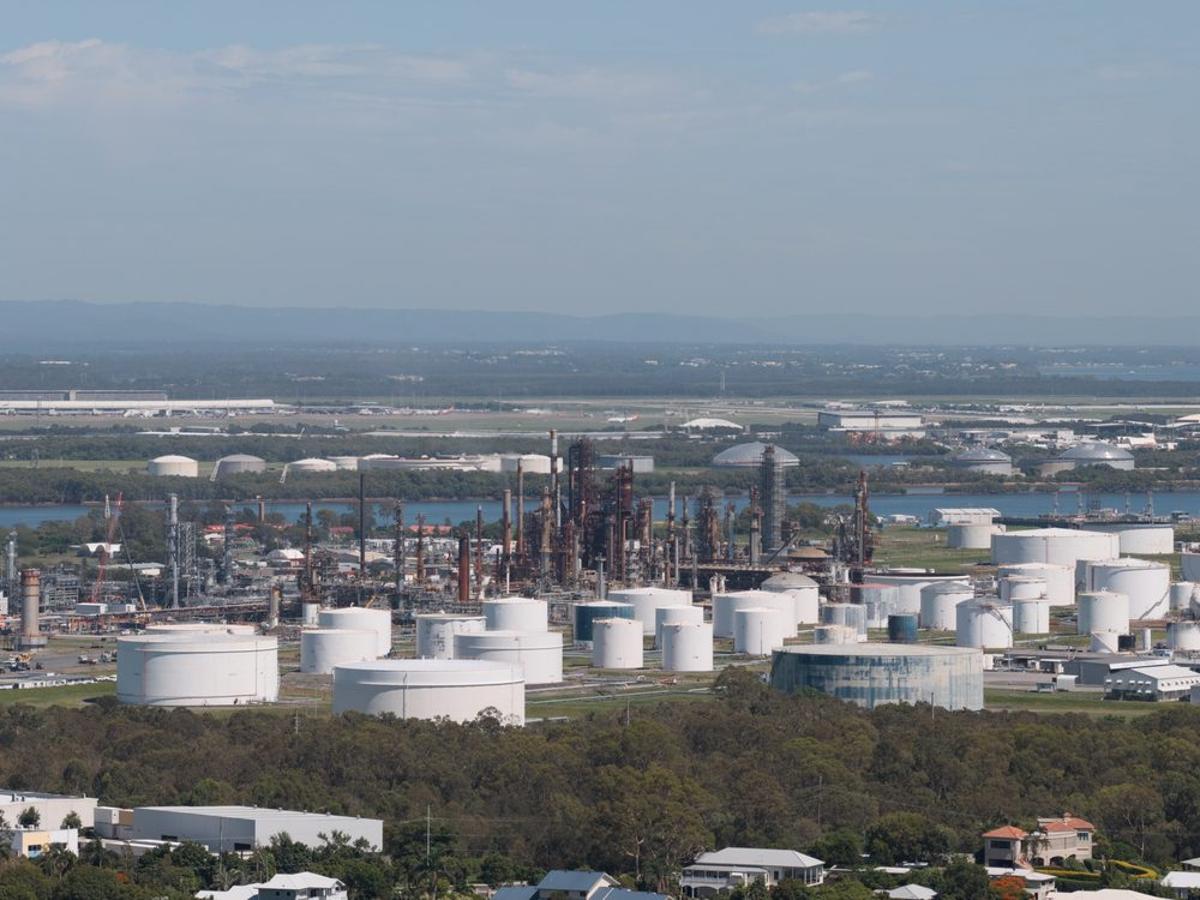
Ensuring a 50‑day fuel buffer safeguards agricultural production and regional economies against global supply shocks, while the government reserve strengthens national energy sovereignty.
Key Takeaways
- •$7.5 bn AUD (~$5 bn USD) earmarked for fuel and fertilizer facility.
- •$3.2 bn AUD (~$2.1 bn USD) creates 1 bn‑litre government fuel reserve.
- •Minimum Stockholding Obligation increased by 10 days, targeting 50‑day supply.
- •Feasibility studies receive $10 m AUD (~$6.6 m USD) for new refining capacity.
- •National Farmers Federation backs package as essential for food system resilience.
Pulse Analysis
Recent disruptions in global oil markets and the COVID‑19‑era supply chain turbulence have highlighted Australia’s vulnerability to external fuel shocks. The nation imports a large share of its diesel, aviation kerosene, and fertilizer feedstocks, leaving regional producers exposed when international shipments falter. By establishing a dedicated Fuel and Fertiliser Security Facility and a government‑owned reserve, the Albanese administration aims to create a strategic buffer that mirrors the petroleum stockpiles maintained by the United States and Japan, but tailored to Australia’s geographic spread and agricultural dependence.
The AUD 10 billion package is split across three core pillars: a AUD 7.5 bn (≈ USD 5 bn) financing suite that includes loans, equity, guarantees and price support for storage infrastructure; a AUD 3.2 bn (≈ USD 2.1 bn) commitment to build a one‑billion‑litre reserve that will lift the Minimum Stockholding Obligation by roughly 10 days, pushing total national fuel holdings to a 50‑day safety net; and modest AUD 10 m (≈ USD 6.6 m) for feasibility studies on expanding domestic refining capacity. By targeting diesel and aviation fuel, the plan directly addresses the energy needs of grain trucks, livestock transport, and remote fishing fleets, while the fertilizer component underpins crop yields and food‑price stability.
Strategically, the initiative could reshape Australia’s energy market by encouraging private‑sector participation in storage and refining projects, potentially lowering long‑term fuel costs for farmers and regional businesses. However, the success of the reserve hinges on effective coordination between federal, state, and industry stakeholders, as well as transparent management of the allocated funds. Environmental groups may scrutinize new storage facilities for emissions and land‑use impacts, prompting the government to balance security goals with sustainability commitments. If implemented smoothly, the package positions Australia as a more self‑reliant player in the Asia‑Pacific energy landscape, offering a template for other resource‑dependent economies seeking resilience against future supply disruptions.
Farmers welcome $10 billion fuel security package
Comments
Want to join the conversation?
Loading comments...