Fast Power for a Constrained Grid: Wet Compression Applications in Gas Turbines
Companies Mentioned
Why It Matters
Wet compression offers the quickest, most cost‑effective path to meet exploding AI‑data‑center power needs, extending the life and output of existing gas‑turbine fleets while avoiding years‑long construction delays.
Key Takeaways
- •Wet compression can boost turbine output 5‑10% with minimal downtime
- •Installation costs average $150 per kW, far cheaper than new plants
- •Typical 100‑MW plant gains 10‑20 MW by injecting 1‑2% water
- •Morris Cogeneration added 5‑6 MW per turbine, improving heat rate to 400 Btu/kWh
- •Demand for AI data‑centers could exceed 90 GW by 2030 in the U.S.
Pulse Analysis
The AI boom is reshaping electricity markets faster than traditional generation can keep pace. Data‑center developers are announcing projects at a historic rate—over $350 billion in a single month—yet the grid’s incremental capacity lags behind. Utilities and independent power producers are therefore turning to short‑term, high‑impact upgrades that can be deployed in weeks rather than years. Wet‑compression retrofits fit this niche, delivering immediate megawatt gains without the capital intensity of new combined‑cycle plants.
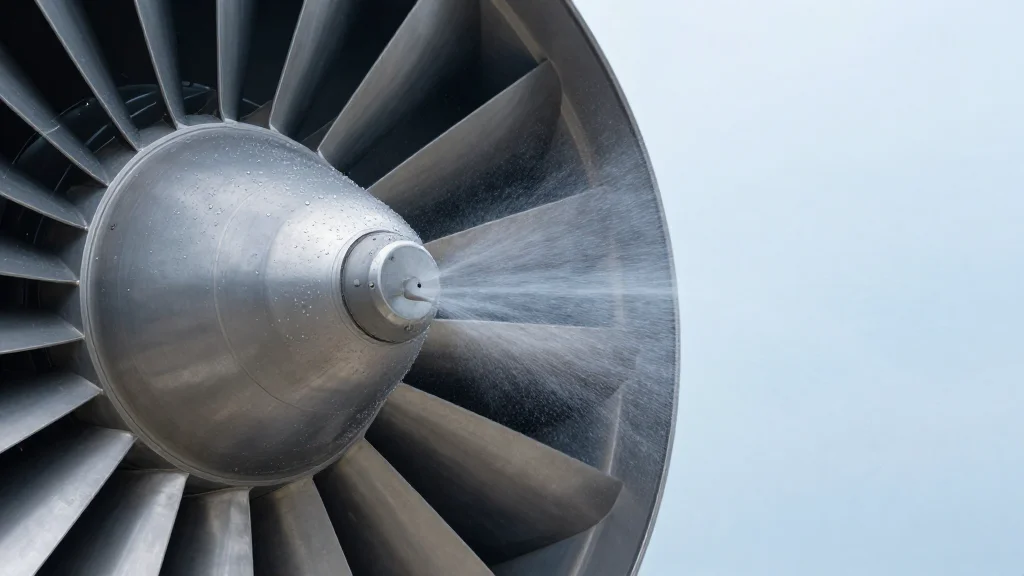
At its core, wet compression injects a fine mist of de‑mineralized water into the turbine inlet, lowering air temperature and density while simultaneously providing intercooling. The result is a measurable lift in mass flow and a reduction in fuel‑burn per megawatt, typically improving heat‑rate efficiency by 2‑3%. Because the system is modular, installations can be completed in a few days and scaled across multiple stages to match grid demand. Real‑world data from the Morris Cogeneration Plant shows a 5‑6 MW boost per unit and a heat‑rate drop to about 400 Btu/kWh, all for an investment of roughly $150 per added kilowatt.
For investors and operators, the economics are compelling. With AI‑driven load forecasts indicating a 90 GW shortfall by 2030, wet‑compression offers a rapid response that protects revenue streams in capacity markets such as PJM. The technology’s low upfront cost, proven reliability across hundreds of global installations, and minimal operational disruption make it an attractive hedge against supply constraints. As the industry grapples with longer lead times for nuclear and renewable projects, wet‑compression is poised to become a standard upgrade path for legacy gas‑turbine fleets seeking to stay competitive in a data‑intensive future.
Fast Power for a Constrained Grid: Wet Compression Applications in Gas Turbines
Comments
Want to join the conversation?
Loading comments...