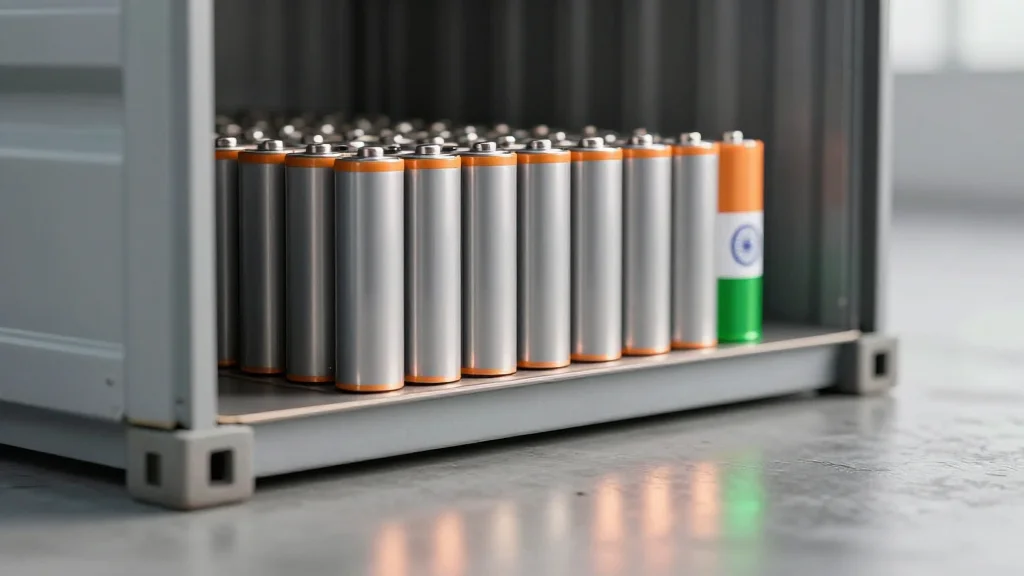
Finance Ministry May Review MOOWR Benefits for Battery Storage Imports
Why It Matters
The outcome will shape cost competitiveness and fairness in India's fast‑growing battery storage market, influencing auction dynamics and investment flows.
Key Takeaways
- •MOOWR lets importers defer ~44% customs duty, 12% GST.
- •Developers using MOOWR can bid lower tariffs in renewable auctions.
- •ASSOCHAM and IESA demand restrictions on battery imports under MOOWR.
- •Finance ministry to hold inter‑ministerial talks on possible policy changes.
Pulse Analysis
The Manufacture and Other Operations in Warehouse Regulations (MOOWR) scheme, introduced in 2019, was designed to ease cash‑flow constraints for importers by allowing customs duty and GST to be deferred until the goods leave the warehouse or are put into service. For battery energy storage systems, the deferment translates into roughly 44 % of customs duty and 12 % of GST being postponed, dramatically lowering the upfront capital outlay for developers. This fiscal relief has been especially attractive as India accelerates its grid‑scale storage rollout to complement solar and wind growth. Renewable‑energy developers, however, argue that the same advantage creates an uneven playing field in competitive auctions.
Industry groups such as ASSOCHAM and the India Energy Storage Alliance (IESA) have lodged formal complaints, asserting that some participants import fully assembled battery packs under MOOWR and deploy them directly, bypassing the export‑linked conditions originally envisioned. By embedding duty‑deferment savings into bid calculations, these firms can offer lower tariffs, potentially distorting price discovery and crowding out rivals that bear the full tax burden. The allegations of ‘misuse’ have prompted the revenue department to scrutinize the scheme’s application.
The finance ministry’s pending inter‑ministerial review will likely determine whether MOOWR benefits are narrowed, capped, or tied to export or value‑addition requirements. A tighter framework could raise project costs but restore parity among bidders, supporting transparent tariff formation and protecting long‑term investment confidence. Conversely, preserving the status quo may sustain rapid storage deployment but risk market distortions. As India targets 30 GW of battery storage by 2030 to bolster energy security, policymakers must balance fiscal incentives with fair competition to ensure the sector’s sustainable growth.
Finance ministry may review MOOWR benefits for battery storage imports
Comments
Want to join the conversation?
Loading comments...