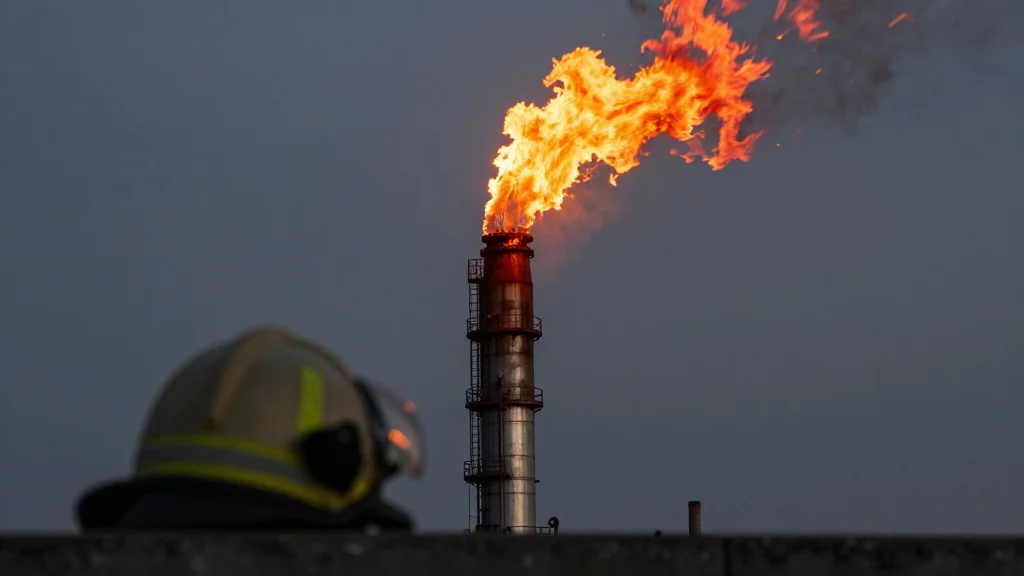
Fire After Ukrainian Attack at Russia's Tuapse Refinery Hits Air Quality
Why It Matters
The shutdown curtails Russia’s oil export capacity and highlights growing environmental and health risks from attacks on energy assets, influencing global energy markets and regional security dynamics.
Key Takeaways
- •Fire forced Tuapse refinery to suspend export operations.
- •276 firefighters and 77 vehicles deployed for three‑day blaze.
- •Air quality fell; benzene and xylene levels doubled permitted limits.
- •Black residue from soot and rain coated terminal area.
Pulse Analysis
The Tuapse refinery incident illustrates how modern warfare increasingly targets critical energy infrastructure, turning industrial sites into environmental hazards. Drone attacks, a low‑cost yet precise tool, have enabled Ukraine to strike deep within Russia’s Black Sea export hub, disrupting supply chains that feed European and Asian markets. The resulting fire not only halted the refinery’s output but also generated hazardous emissions, raising concerns for nearby communities and prompting stricter air‑quality monitoring in conflict zones.
Beyond the immediate operational loss, the spike in volatile organic compounds such as benzene and xylene signals broader public‑health implications. These pollutants, measured at two to three times permissible levels, can cause acute respiratory issues and long‑term carcinogenic effects. Local authorities advised residents to stay indoors, seal windows, and clean surfaces, reflecting a growing need for emergency response protocols that address both fire suppression and chemical exposure. The black coating observed on the terminal underscores how combustion by‑products, combined with rain, can create persistent contamination that complicates cleanup efforts.
Strategically, the attack reinforces the vulnerability of Russia’s energy export corridor, which underpins a significant share of its foreign‑exchange earnings. Repeated disruptions may accelerate diversification of supply routes and encourage buyers to seek alternative sources, potentially reshaping global oil trade patterns. For investors and policymakers, the Tuapse event serves as a case study in how geopolitical conflict can translate into tangible market volatility, supply‑chain risk, and heightened regulatory scrutiny on environmental safeguards in conflict‑affected regions.
Fire after Ukrainian attack at Russia's Tuapse refinery hits air quality
Comments
Want to join the conversation?
Loading comments...