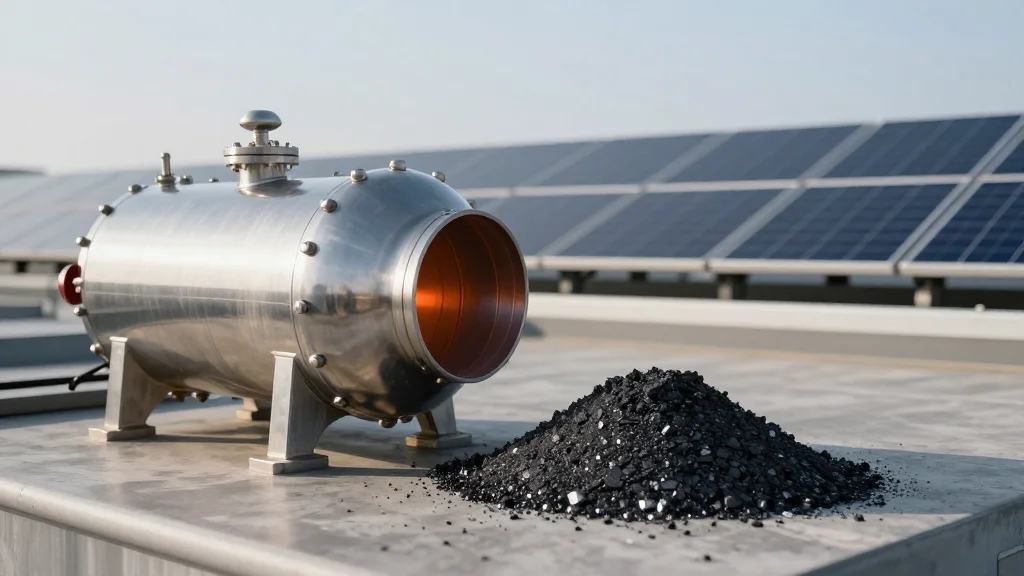
Firebird Battery Making Tech Gets $2M ARENA Grant
Companies Mentioned
Why It Matters
The funding fast‑tracks a low‑carbon, cost‑effective battery material, bolstering Australia’s role in the global energy‑storage market and supporting national decarbonisation goals.
Key Takeaways
- •Firebird secured AU$2 million ARENA grant for demo battery plant.
- •Technology converts raw manganese ore into high‑purity cathode precursor.
- •Process eliminates multiple refining steps, cutting energy use and emissions.
- •Demonstration aims to supply Australian renewable‑energy storage projects.
- •Grant signals government push for domestic battery supply chain.
Pulse Analysis
Australia’s battery sector is at a pivotal moment as demand for grid‑scale storage surges alongside tighter emissions targets. While the country boasts abundant manganese deposits, most of the material is exported for downstream processing overseas. Firebird’s ARENA‑funded demonstration plant seeks to flip that model by turning raw ore into a high‑purity manganese sulphate monohydrate precursor on‑site, creating a locally sourced cathode component that can be integrated into existing lithium‑ion chemistries. This approach not only shortens supply chains but also aligns with the nation’s strategic push to capture more value from its critical minerals.
The technical edge of Firebird’s process lies in its ability to skip several energy‑intensive steps traditionally required to refine manganese into battery‑grade material. Conventional methods involve crushing, leaching, precipitation, and multiple purification stages, each consuming significant electricity and generating waste. By converting ore directly into the sulphate monohydrate form, the new method reduces overall energy demand by an estimated 30‑40 percent and cuts greenhouse‑gas emissions, translating into lower production costs and a smaller environmental footprint. These efficiencies could make Australian‑made batteries more competitive against Asian imports, especially as automakers and renewable‑energy developers seek greener supply options.
From a market perspective, the $2 million ARENA grant signals strong policy support for domestic battery manufacturing and may unlock further private investment. If the demo plant validates cost and performance claims, scaling to commercial volumes could create a new export‑ready material stream, attract downstream cell‑assembly facilities, and stimulate job growth in regional areas. Moreover, the technology positions Australia to meet both its own storage needs and the growing global appetite for sustainable battery components, reinforcing the country’s ambition to become a critical node in the international clean‑energy supply chain.
Firebird battery making tech gets $2M ARENA grant
Comments
Want to join the conversation?
Loading comments...