Fixed Power Fees Jump up to 70 per Cent After Regulator Curbs Usage Charges
Companies Mentioned
Why It Matters
Higher fixed supply fees could erode the anticipated bill relief for many Australians, especially low‑usage households, and may trigger tighter regulatory oversight of retailer pricing practices.
Key Takeaways
- •Supply charges jumped as much as 70% after regulator set new fee caps
- •Usage rates decline, but fixed fees may increase overall bills for low‑use homes
- •Retailers cite the restructured default market offer as reason for fee hikes
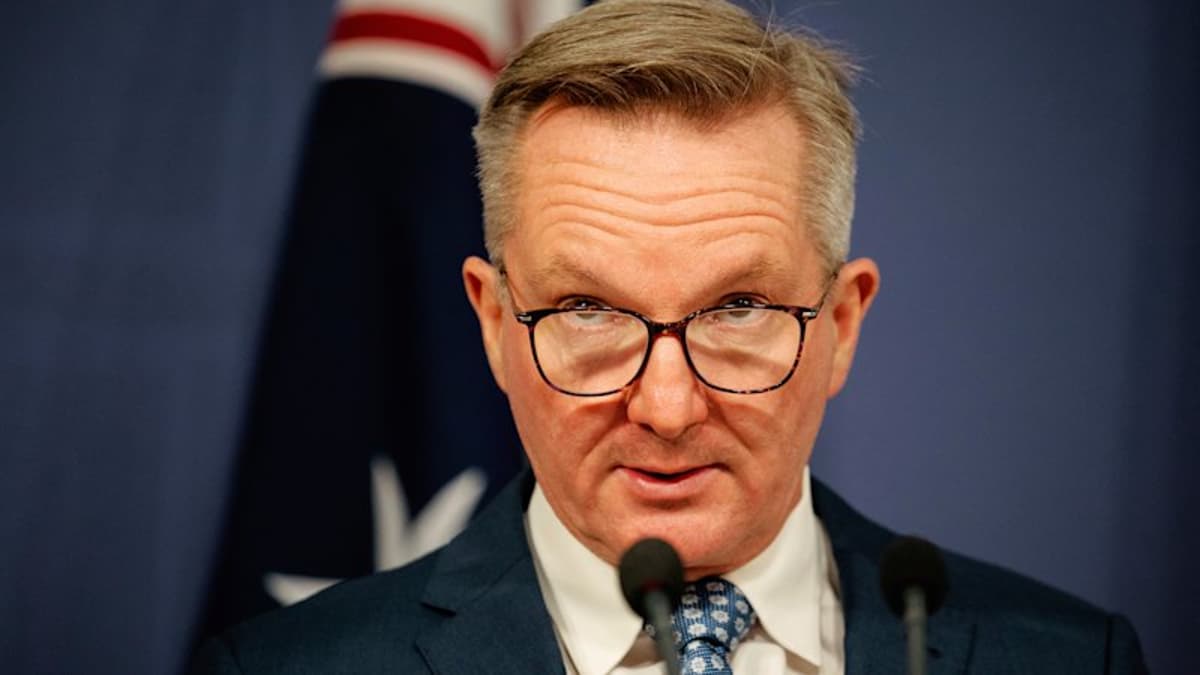
- •Minister Bowen urges retailers to align fees with falling wholesale costs
Pulse Analysis
The Australian Energy Regulator’s decision to impose maximum limits on both usage and supply components of electricity bills marks a pivotal shift in how retailers price power. Historically, retailers could allocate the benchmark bill amount between variable usage rates and fixed daily fees at their discretion. By capping each element, the regulator forced a recalibration that many retailers met by inflating daily supply charges, even as wholesale electricity prices plunged thanks to a surge in renewable generation and large‑scale battery storage. This regulatory tweak aims to protect consumers from opaque pricing, but it also creates a new battleground over the fairness of fixed‑fee structures.
For consumers, the impact is uneven. High‑consumption households stand to benefit from the steep drop in usage‑based charges, which can offset the added fixed fee and deliver noticeable savings. Conversely, low‑usage customers—often renters or small‑apartment dwellers—may see their bills rise despite the overall market trend toward cheaper power. The daily supply charge now ranges from roughly 54 cents to over $2.50, a disparity that can translate into several hundred dollars annually for the most frugal users. This divergence underscores the importance of consumers reviewing their tariff options and considering plans that better align with their consumption patterns.
Looking ahead, the episode could prompt tighter scrutiny of retailer pricing models and possibly further regulatory adjustments. Industry groups like the Australian Energy Council argue that retailers must balance network costs, wholesale prices, and commercial objectives when setting fees. However, the government’s clear message—that falling wholesale costs should be passed on to customers—may lead to more transparent pricing frameworks and increased competition among retailers. As the market adapts, both consumers and policymakers will watch closely to ensure that the intended bill relief materializes without hidden cost traps.
Fixed power fees jump up to 70 per cent after regulator curbs usage charges
Comments
Want to join the conversation?
Loading comments...