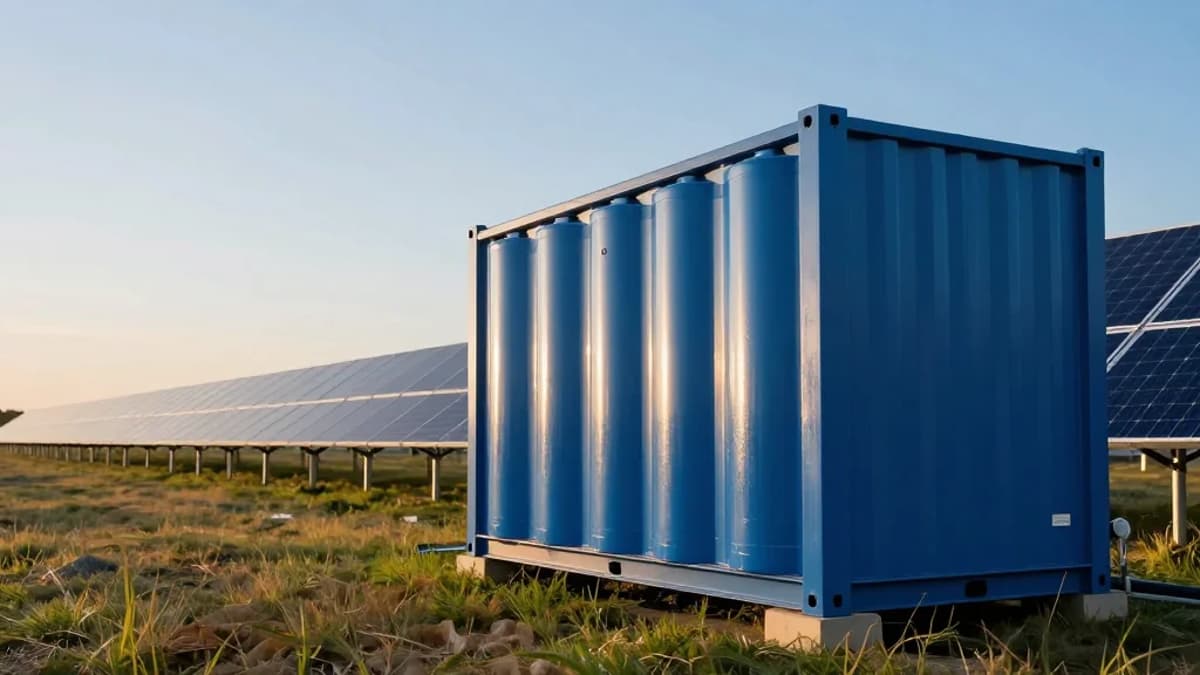
FlexGen Begins Operating 700MWh Total BESS in Wisconsin, Iowa for Alliant Energy
Why It Matters
The new storage assets give Alliant Energy greater grid flexibility and a faster path to its 2030‑2050 decarbonization goals, while cementing FlexGen’s position as a leading BESS integrator.
Key Takeaways
- •FlexGen commissioned 700 MWh BESS for Alliant Energy.
- •Wood County: 75 MW/300 MWh beside 150 MW solar.
- •Wever: 100 MW/400 MWh adjacent to 150 MW solar.
- •Storage boosts grid flexibility, defers new transmission builds.
- •FlexGen acquired Powin IP, expanding its EMS capabilities.
Pulse Analysis
The deployment of 700 MWh of battery storage marks a significant step in the Midwest’s transition toward renewable‑heavy grids. By pairing large‑scale BESS with existing solar farms, Alliant Energy can smooth intermittent generation, shift energy to peak periods, and reduce reliance on costly transmission upgrades. FlexGen’s HybridOS platform provides real‑time optimization, enabling operators to respond instantly to load fluctuations and maintain system reliability, a capability increasingly demanded by utilities facing higher renewable penetrations.
FlexGen’s strategic acquisition of Powin’s intellectual property in 2025 amplified its competitive edge. The deal added a suite of proven hardware designs, advanced control algorithms, and a spare‑parts inventory, allowing FlexGen to offer end‑to‑end solutions without reinventing core components. Integrating Powin’s field projects into FlexGen’s Remote Operations Center also expands its service footprint, positioning the company as a one‑stop shop for utilities seeking scalable, software‑driven storage deployments across the United States.
For Alliant Energy, the new BESS installations are integral to an ambitious emissions roadmap that targets a 50 % reduction by 2030 and a coal‑free portfolio by 2040. Battery storage not only captures excess solar output but also provides ancillary services such as frequency regulation and voltage support, essential for maintaining grid stability as fossil‑fuel generation declines. The projects illustrate how coordinated storage‑solar pairings can accelerate utility decarbonization while delivering economic benefits to ratepayers, a model other regional utilities are likely to emulate.
FlexGen begins operating 700MWh total BESS in Wisconsin, Iowa for Alliant Energy


Comments
Want to join the conversation?
Loading comments...