Flexible Interconnection of MW-Scale Solar Advances in Eight States
Companies Mentioned
Why It Matters
Flexible interconnection can unlock gigawatts of distributed solar without expensive infrastructure, accelerating clean‑energy targets and improving project economics.
Key Takeaways
- •Colorado ordered Xcel to file a flexible interconnection tariff.
- •New York utilities piloted flexible interconnection, targeting 3.3 GW expansion.
- •Illinois aims for up to 200 MW flexible interconnection using DERMS.
- •Curtailment risk in pilots is under 1%, boosting financing confidence.
Pulse Analysis
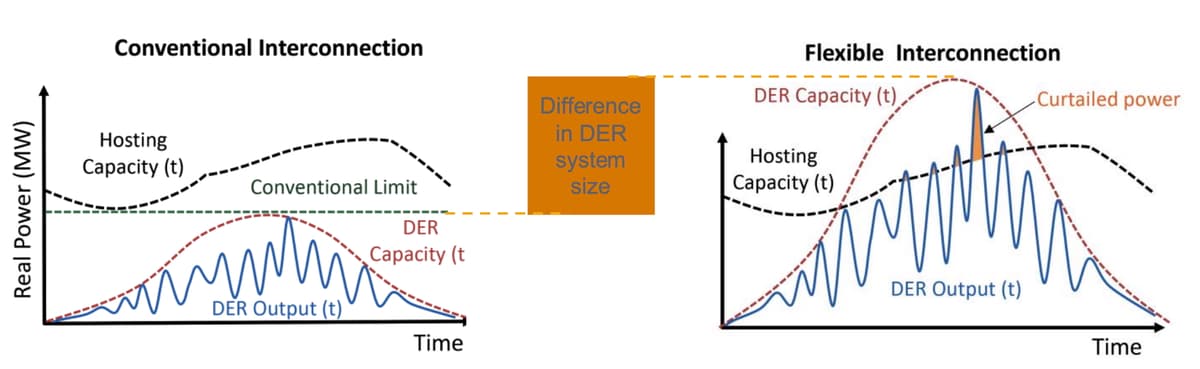
Flexible interconnection reshapes how distributed solar connects to the grid by allowing utilities to manage export limits rather than requiring costly hardware upgrades. Two primary models have emerged: schedule‑based interconnection, where projects commit to a predefined export schedule, and dynamic flexible interconnection, which leverages DERMS or similar platforms to curtail output in real time. The schedule approach offers immediate revenue certainty, while dynamic systems promise higher overall capacity as they adapt to grid conditions. Both models aim to keep transformer thermal limits intact, reducing the need for expensive substation reinforcement.
Across the United States, regulators are moving from pilot projects to formal tariffs. Colorado’s PUC compelled Xcel to draft a flexible interconnection tariff, and New York’s Avangrid and National Grid are expanding pilots that could add over 3 GW of community solar. Illinois’ ComEd is collaborating on a DERMS‑driven program targeting 200 MW, while Connecticut, Massachusetts, Maine and Minnesota have established working groups to shape state‑wide frameworks. By treating curtailment as a managed risk rather than a barrier, developers can lower interconnection costs, which historically represent the largest expense in utility‑scale solar projects.
Early results suggest the model’s financial upside is substantial. A Pacific Northwest National Laboratory study found flexible interconnection delivers significant revenue benefits and eases utility planning burdens. Pilot data from upstate New York shows curtailment rates below 0.01%, reinforcing investor confidence and enabling more aggressive financing structures. Internationally, Australia is experimenting with internet‑based flexible interconnection, highlighting the global relevance of cost‑effective grid integration. As more states adopt standardized tariffs and DERMS technologies mature, flexible interconnection could become a cornerstone of the U.S. clean‑energy transition, unlocking additional gigawatts of solar while preserving grid reliability.
Flexible interconnection of MW-scale solar advances in eight states
Comments
Want to join the conversation?
Loading comments...