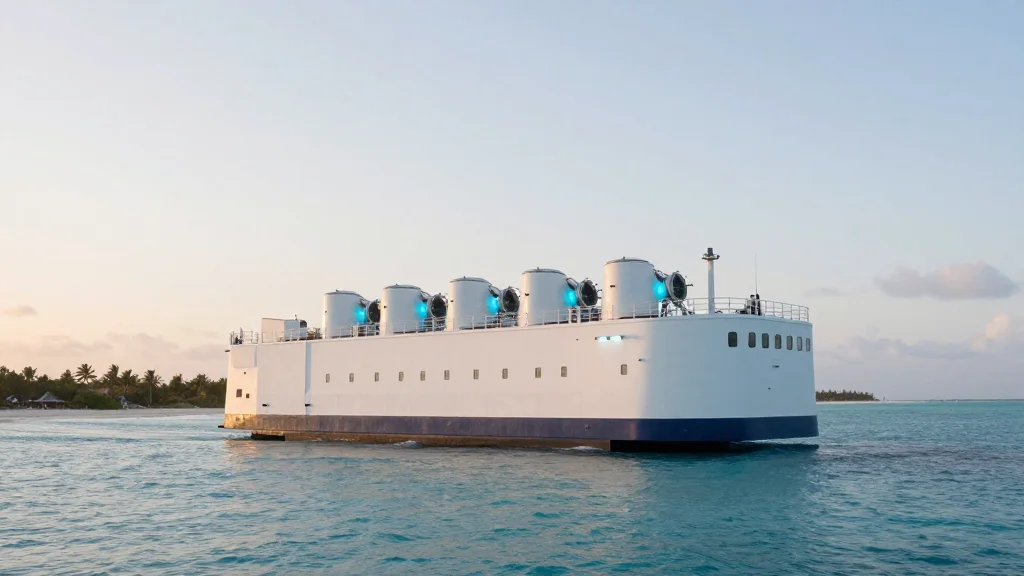
Floating Natural Gas Plant Heads to Yucatán as Power Deficits Bite
Why It Matters
The deployment addresses immediate power shortages, stabilizing the Yucatán grid and reducing the risk of load‑shedding during the critical summer season. It also signals a broader shift toward offshore, private‑sector solutions in Mexico’s energy market.
Key Takeaways
- •Karpowership's 250 MW floating plant will supply Yucatán's summer peak demand
- •Floating LNG unit offers rapid deployment compared with land‑based generators
- •Mexico's grid faces chronic deficits, prompting private‑sector offshore solutions
- •Mérida IV project constrained by limited gas pipelines, increasing reliance on imports
- •Floating plants can support renewable integration by providing dispatchable backup power
Pulse Analysis
Mexico’s electricity system has been under strain for several years, with the Yucatán Peninsula experiencing some of the most pronounced shortfalls. Seasonal temperature spikes drive residential air‑conditioning loads, while the region’s transmission network remains thin and vulnerable to bottlenecks. Existing thermal plants, such as the Mérida IV combined‑cycle facility, are limited by insufficient natural‑gas pipeline capacity, forcing utilities to rely on costly imports or curtailments. In this context, the government’s decision to contract a floating power solution reflects a pragmatic response to an urgent reliability gap.
The floating plant Karpowership will deliver 250 MW of LNG‑fired generation from a purpose‑built vessel that can be moored near existing port facilities. Unlike conventional power stations, the ship can be commissioned in weeks rather than years, and it can be relocated if demand patterns shift. Its onboard storage and regasification equipment enable a fully dispatchable output, providing grid operators with a reliable back‑up during peak periods or unexpected outages. Moreover, the mobile nature of the asset reduces the need for new land acquisition and mitigates environmental permitting hurdles.
The Yucatán contract illustrates how private‑sector offshore assets can fill gaps left by slow‑moving infrastructure projects in emerging markets. By leveraging the global fleet of floating power units, Mexico gains immediate capacity while preserving flexibility for future renewable integration, as the plant can be throttled down when solar or wind output rises. Investors view such arrangements as low‑risk, revenue‑stable opportunities, especially given Mexico’s power‑purchase‑agreement framework. If successful, the model could spur additional floating‑plant deployments along the Pacific and Gulf coasts, reshaping the region’s generation mix and reducing dependence on imported fossil fuels.
Floating Natural Gas Plant Heads to Yucatán as Power Deficits Bite
Comments
Want to join the conversation?
Loading comments...