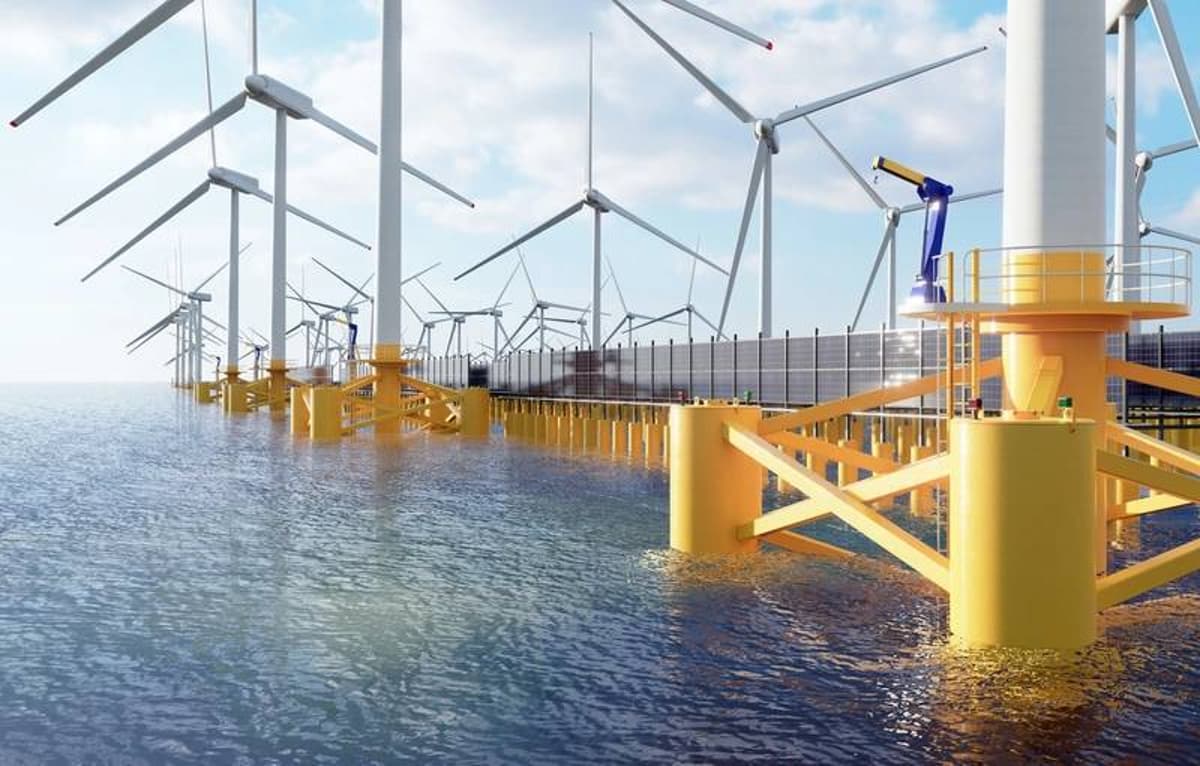
Floating Wind & Deepwater Oil and Gas - Two Worlds Collide
Companies Mentioned
Why It Matters
A tightening vessel market will increase offshore construction costs, affecting the economics of both floating wind and deep‑water oil projects and potentially slowing the energy transition. Stakeholders must anticipate capacity gaps to secure reliable supply chains.
Key Takeaways
- •Floating wind demand could outpace large AHTS supply by 2029
- •MSV shortages may emerge as early as 2030‑31
- •Only one purpose‑built floating‑wind vessel is under construction
- •Higher charter rates will raise offshore project costs
Pulse Analysis
Floating offshore wind is emerging as a critical bridge between energy security and the clean‑energy transition. Although global capacity forecasts have been revised downward, the sector still anticipates 5 GW of commissioned floating turbines by 2035, climbing to 14 GW by 2040. These installations rely heavily on vessels originally designed for deep‑water oil and gas, especially large anchor handling tug supply vessels (AHTSs) and multi‑purpose support vessels (MSVs). The need for 400‑tonne class AHC cranes, 300‑tonne bollard‑pull capability, and oversized chain‑handling equipment creates a niche demand that current shipyards are not meeting.
The vessel shortage risk is underscored by Intelatus Global Partners’ forecast, which projects a supply‑demand imbalance for large AHTSs by 2029‑31 and for large MSVs by 2030‑31. Existing fleets are stretched thin across both sectors, and the lack of new builds—particularly in the 400‑tonne AHC‑crane MSV segment—means charter rates could surge, eroding project margins. While some operators, like Brazil’s Petrobras, have explored custom specifications, industry feedback often leads to compromises that favor oil‑and‑gas over floating wind requirements, further limiting suitable assets.
A notable exception is South Korea’s Hana Shipping, which announced a purpose‑built floating‑wind installation vessel slated for delivery in 2028. Equipped with a 500‑tonne winch and a 400‑tonne crane, it represents a potential template for future builds. However, without broader investment and long‑term charter commitments, the offshore construction market may face a chronic vessel scarcity, driving up costs and potentially delaying the rollout of floating wind farms that are essential for meeting long‑term decarbonization goals. Stakeholders must therefore align financing, charter strategies, and shipyard capacity to mitigate this emerging bottleneck.
Floating Wind & Deepwater Oil and Gas - Two Worlds Collide
Comments
Want to join the conversation?
Loading comments...