Fluence Revenue up 154% but Margin Halves in Last Three Months of 2025
Companies Mentioned
Why It Matters
The stark margin compression highlights the cost challenges of scaling BESS deployments, while the record backlog signals strong demand that could reshape the energy‑storage market if managed profitably.
Key Takeaways
- •Revenue jumped 154% YoY to $475.2 million.
- •Gross margin fell from 12.5% to 4.9%.
- •Net loss widened to $62.6 million.
- •Backlog hit record $5.5 billion, $750 million new orders.
- •US market and LDES projects drive future growth.
Pulse Analysis
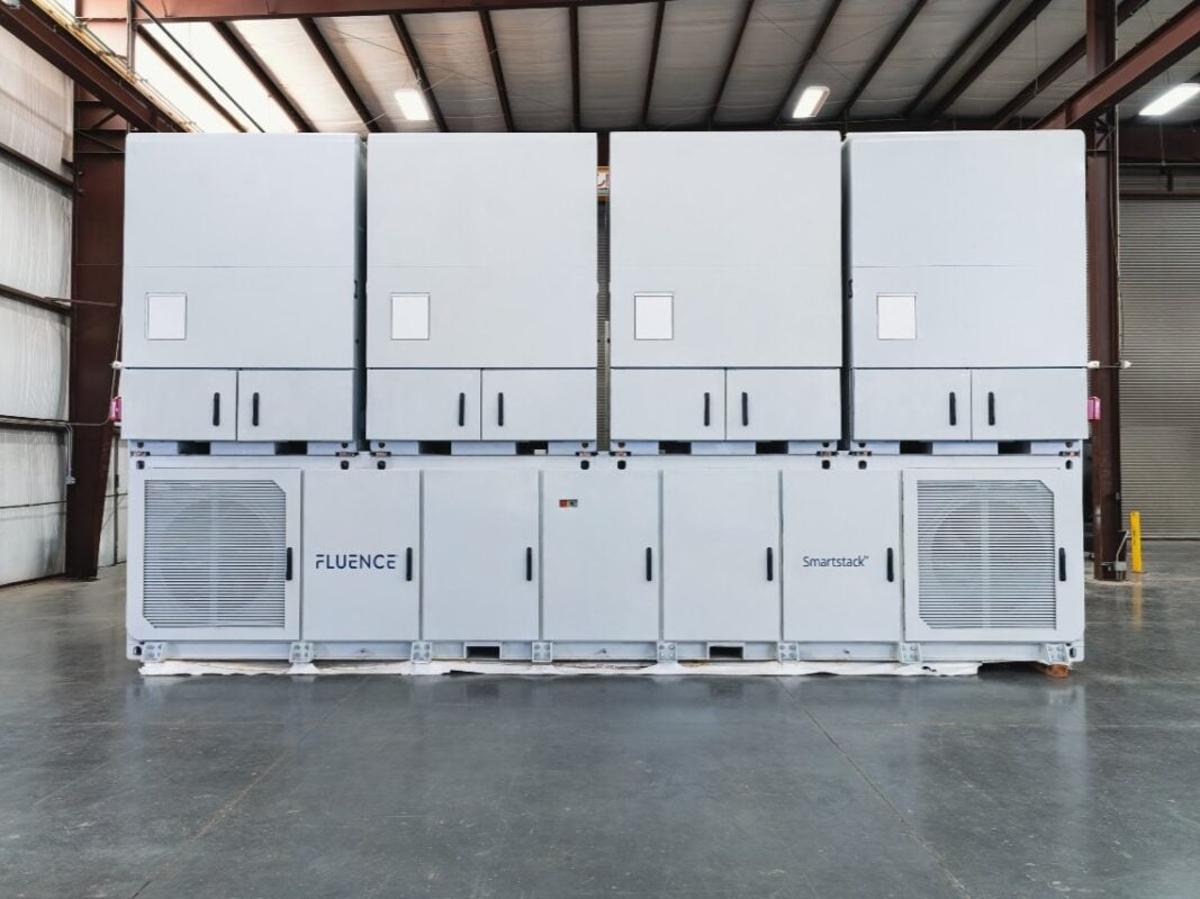
The battery‑energy‑storage‑system (BESS) sector is entering a phase of accelerated deployment as utilities and data‑centre operators seek reliable, grid‑balancing solutions. Fluence’s explosive top‑line growth reflects this macro trend, with its newest Gridstack Pro and Smartstack platforms capturing sizable contracts across North America and Europe. However, the rapid scale‑up has exposed the firm to higher project‑level costs, as evidenced by the $20 million of estimated overruns it expects to recover later in the year.
Margin compression is a common symptom when high‑growth firms invest heavily in engineering, supply‑chain expansion, and domestic manufacturing capabilities. Fluence’s decision to align its product line with the Federal Energy Office’s (FEOC) updated tax‑credit criteria underscores a strategic push to lock in incentive‑driven demand, especially in the United States where the company now expects the bulk of its revenue. The record $5.5 billion backlog, including $750 million of fresh orders, provides a cushion that could smooth earnings once the cost base stabilizes and the $20 million overruns are recouped.
Looking ahead, Fluence’s guidance of $3.2‑$3.6 billion revenue and a modest adjusted EBITDA of $40‑$60 million hinges on the successful rollout of long‑duration energy storage (LDES) projects and the scaling of its Gridstack Pro platform. Competitors are also racing to secure FEOC‑compliant contracts, making operational efficiency a key differentiator. Investors will watch how Fluence balances its aggressive growth agenda with profitability, as the firm’s ability to convert its sizable backlog into cash‑generating assets will determine its standing in the fast‑evolving clean‑energy storage market.
Fluence revenue up 154% but margin halves in last three months of 2025


Comments
Want to join the conversation?
Loading comments...