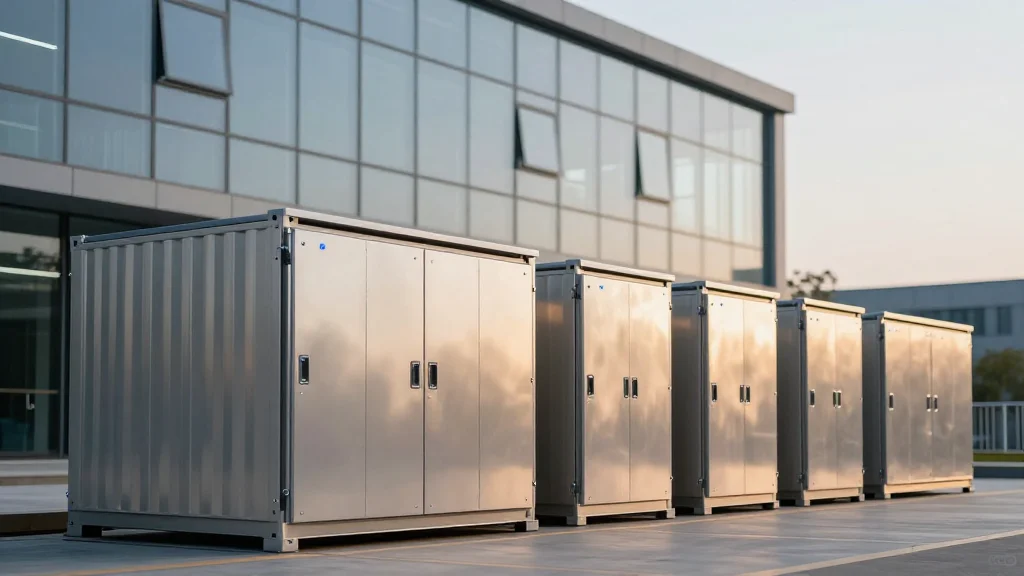
For Cheaper Power, Virginia’s Local Utilities Build Small Grid Batteries
Why It Matters
The rollout proves that modular battery storage can curb electricity costs for rural customers while providing the flexibility needed for Virginia’s burgeoning data‑center load, signaling a broader shift toward fast, low‑cost grid solutions.
Key Takeaways
- •Five 5‑MW batteries to launch summer, saving $100 M over 20 years.
- •Lightshift can deliver projects in 18‑24 months, faster than large assets.
- •Rural co‑ops nationwide plan to triple storage to 1.5 GW by 2028.
- •Small batteries avoid costly transmission upgrades and gain quick community approval.
- •Virginia law pushes investor‑owned utilities to install 17 GW storage by 2045.
Pulse Analysis
The decline of lithium‑ion costs—down nearly 80 % in the past decade—has unlocked a niche for modest‑size battery installations that can be sited on existing substations. Lightshift Energy’s five‑unit build for the Blue Ridge Power Agency exemplifies this trend: each 5‑MW system stores cheap, abundant power and discharges it during peak demand, delivering a projected $100 million in savings without the extensive permitting and land‑use hurdles of multi‑hundred‑megawatt projects. The rapid 18‑ to 24‑month development cycle also aligns with utilities’ need for "speed to power" as Virginia’s data‑center boom drives unprecedented load growth.
Beyond cost containment, these batteries enhance grid resilience for rural cooperatives that traditionally lack robust transmission infrastructure. By sidestepping expensive network upgrades, the storage assets provide localized frequency regulation and voltage support, reducing outage risk for communities like Salem and Danville. The broader cooperative landscape mirrors this approach; the National Rural Electric Cooperative Association reports that storage capacity is set to triple to 1.5 GW by 2028, reflecting a strategic shift toward distributed resources that can integrate more solar and wind from community‑scale projects.
Policy incentives are reinforcing the market momentum. While recent federal legislation trimmed renewable tax credits, it preserved a 30 % investment tax credit for storage, extending the financial case for projects through the next decade. Virginia’s legislative mandate for investor‑owned utilities to deploy 17 GW of battery storage by 2045 further signals long‑term commitment. Together, falling hardware costs, rapid deployment timelines, and supportive policy create a fertile environment for small‑scale battery storage to become a cornerstone of the state’s clean‑energy transition and a model for other regions facing similar reliability and affordability challenges.
For cheaper power, Virginia’s local utilities build small grid batteries
Comments
Want to join the conversation?
Loading comments...