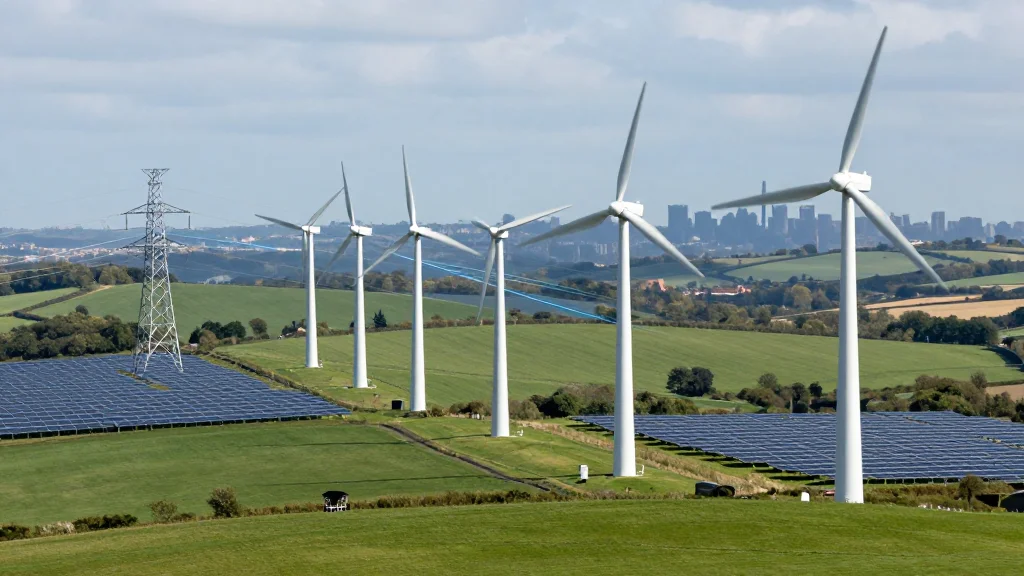
Fossil Fuel Importer, or Electrostate? The Choice Is Ours
Why It Matters
Without a modern grid and widespread electrification, the UK cannot shield its economy from global fuel shocks, jeopardising cost stability and competitiveness. Accelerating the shift will also unlock jobs and position Britain as a renewable‑technology exporter.
Key Takeaways
- •UK renewable electricity hit 127 TWh, 52.5% of power mix.
- •Gas price surge 33% in early 2026 raises household bills.
- •Grid bottlenecks delay offshore wind, costing billions of pounds in idle investment.
- •Long‑duration storage like Highview’s liquid‑air tech crucial to replace gas.
- •Accelerating heat‑pump retrofits can equalise electricity and gas costs.
Pulse Analysis
Britain’s renewable surge is impressive on paper, but the real test lies in how the electricity is delivered to end‑users. The 2025 milestone of 127 TWh of wind and solar output coincided with a 33% jump in gas prices, pushing household energy costs higher despite greener generation. This paradox highlights the lingering influence of gas‑fired plants on wholesale pricing and underscores the urgency of decoupling the grid from fossil‑fuel price signals. By modernising transmission networks and removing connection queues, the UK can unlock the billions of pounds (roughly $1.3 bn) of offshore‑wind projects currently stalled.
A second pillar of the transition is long‑duration energy storage (LDES). Ofgem’s new cap‑and‑floor regime is a step forward, yet scaling technologies such as Highview Power’s liquid‑air system is critical to provide the dispatchable power that gas currently supplies. LDES not only smooths intermittent output but also creates export‑ready expertise, positioning the UK as a global supplier of storage solutions. Rapid deployment will lower reliance on gas‑set marginal prices, making electricity a more stable and competitive commodity.
Finally, electrifying heat, transport and industry turns renewable electricity into tangible economic benefits. Heat‑pump roll‑outs, solar‑plus‑battery retrofits like those from Sero, and self‑generation in factories can equalise electricity and gas costs while cutting emissions. Communicating these gains is essential: clean‑energy hubs are already emerging in Scotland, the Humber and Kent, delivering jobs and regional growth. Framing the shift as a move toward an "electrostate" reframes energy policy from an environmental add‑on to a core driver of national security and prosperity.
Fossil fuel importer, or electrostate? The choice is ours
Comments
Want to join the conversation?
Loading comments...