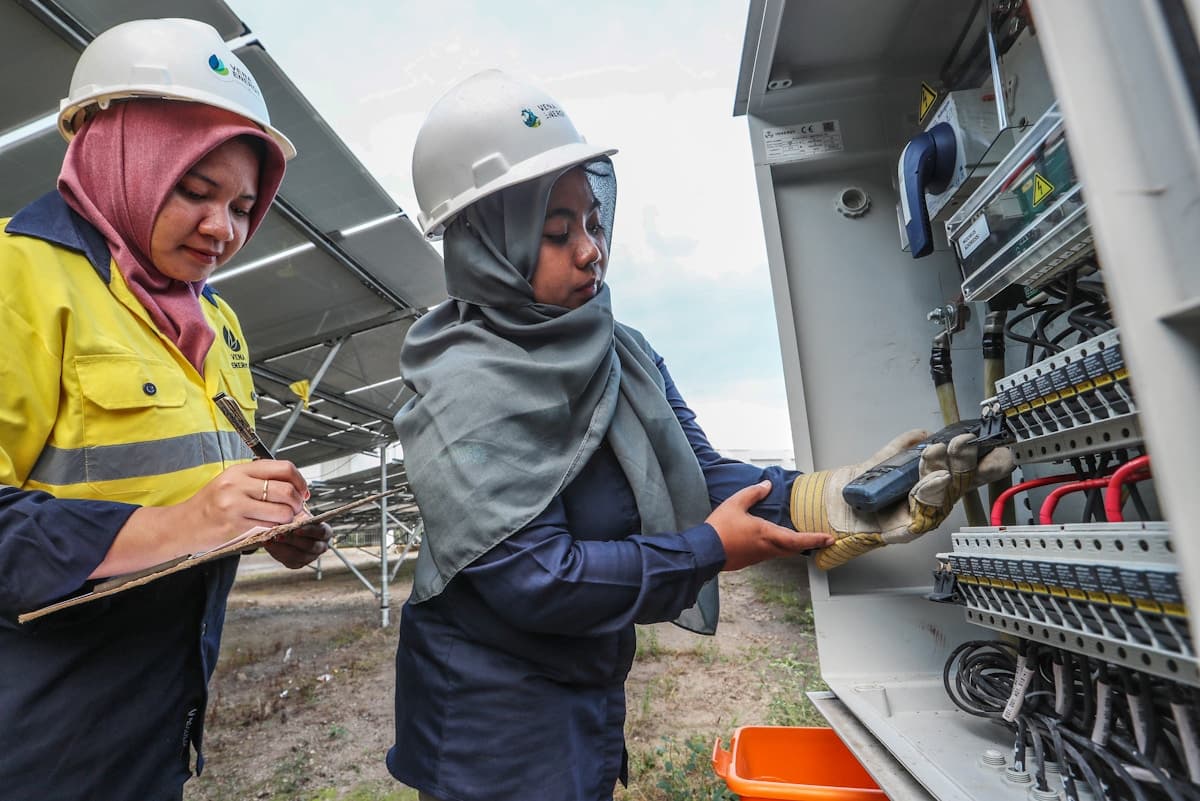
Fossil Fuel Subsidies, High Costs Slow Energy Transition in Rural Indonesia
Why It Matters
The slowdown threatens Indonesia’s pledge to decarbonise by 2040 and deepens energy inequity, signaling urgent policy recalibration for investors and policymakers.
Key Takeaways
- •Household solar adoption fell 26% from 2021 to 2024.
- •Solar street lighting grew 20% despite household decline.
- •Fossil fuel subsidies outweigh incentives for rural renewable projects.
- •Eastern Indonesia lags behind Java and East Kalimantan in solar uptake.
- •Indonesia needs 5 GW new solar capacity annually to hit 75 GW by 2040.
Pulse Analysis
Indonesia’s renewable push is hampered by a paradox: abundant sunshine and falling solar hardware costs coexist with entrenched fossil‑fuel subsidies that keep rural households tethered to diesel generators. The Celios‑Greenpeace report highlights how subsidies, combined with limited financing options, raise the effective price of rooftop solar, discouraging village‑level adoption. Meanwhile, municipalities continue to prioritize public‑good projects like solar streetlights, which benefit from easier budgeting and visible outcomes, creating a skewed investment landscape that favors communal over residential installations.
Data from 2021‑2024 reveal a 26.4% drop in villages reporting household solar use, contrasted with a 20.1% rise in solar‑lit streets. The disparity underscores a structural divide: wealthier regions such as Java and East Kalimantan have better access to financing, technical expertise, and supportive local policies, while remote eastern villages face logistical hurdles and fewer incentives. Compared with other G20 economies, Indonesia’s grid‑level solar share sits below 0.5%, reflecting a broader lag in integrating distributed renewables into the national energy mix.
Policy experts argue that redirecting fossil‑fuel subsidies toward renewable incentives could catalyze the missing 5 GW of annual solar capacity needed to reach the 75 GW target by 2040. Streamlining permitting, expanding micro‑hydro projects, and empowering village councils to co‑design energy plans would also boost local ownership and maintenance capacity. For investors, the gap signals a sizable market for affordable, modular solar solutions and service‑based models that address post‑installation reliability, while the government’s reform agenda could unlock new financing channels tied to climate‑aligned development goals.
Fossil fuel subsidies, high costs slow energy transition in rural Indonesia
Comments
Want to join the conversation?
Loading comments...