Fossil Fuels Do Not Guarantee Energy Security: COP31 Presidency
Why It Matters
The push for rapid renewable deployment and massive climate finance is essential to prevent future energy crises and meet escalating adaptation needs, reshaping global energy markets and geopolitical dynamics.
Key Takeaways
- •Turkey invested over $30 billion in renewables and efficiency since 2022
- •COP31 aims to triple renewable deployment by 2030
- •Developing nations need $2.3‑$2.5 trillion annually for climate action
- •Current climate finance falls 10‑18× short of adaptation needs
- •Multilateral cooperation is critical as fossil‑fuel phaseout stalls
Pulse Analysis
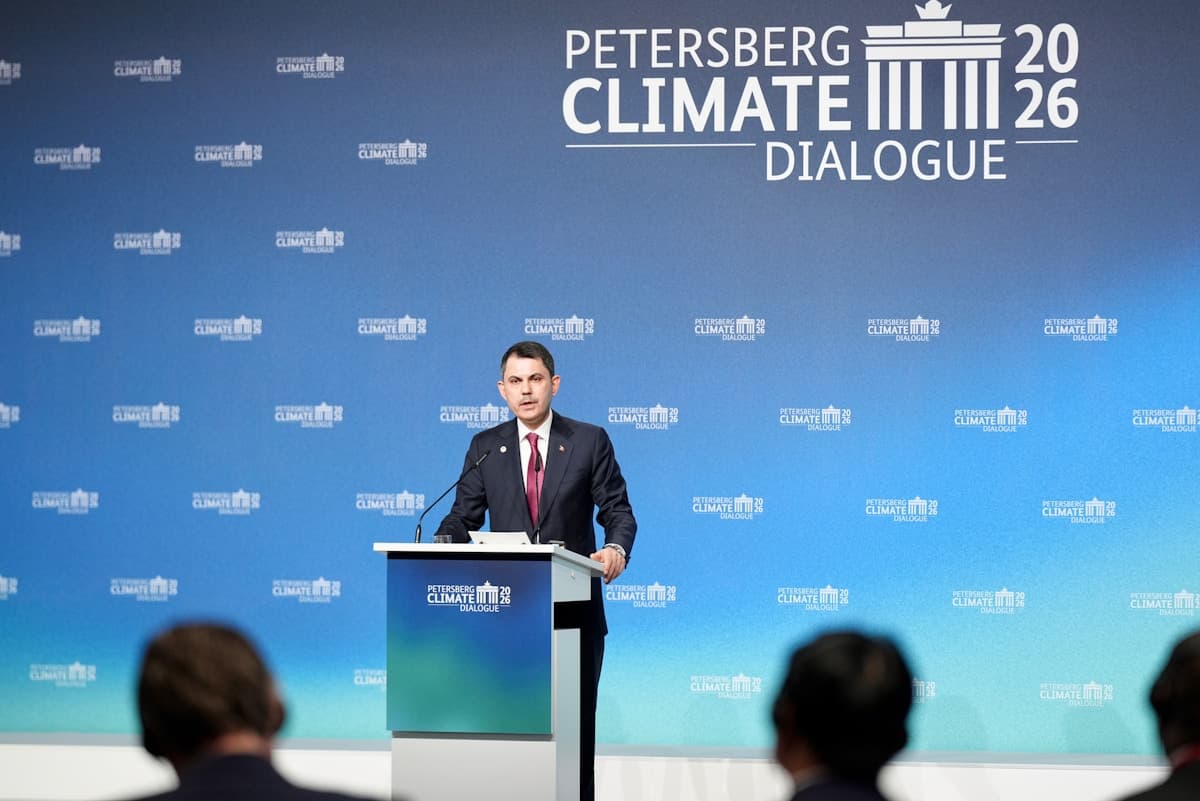
The Berlin address by Murat Kurum underscores a growing consensus that fossil‑fuel dependence is a strategic liability. While renewables have lifted billions out of poverty, the recent energy shocks expose the fragility of legacy grids. Turkey’s experience—tripling renewable generation and committing over $30 billion to efficiency and storage—offers a concrete blueprint for nations seeking energy independence. By showcasing tangible outcomes, Kurum aims to persuade skeptical policymakers that large‑scale investment can deliver both climate and security dividends.
Financing remains the Achilles’ heel of the global transition. Kurum cited a staggering $2.3‑$2.5 trillion annual shortfall for developing countries, a figure four times current investment levels. Adaptation financing is even more acute, with needs projected at $440‑$520 billion by 2035, while pledged climate‑finance goals linger around $300 billion. This mismatch threatens to widen vulnerability gaps, especially in regions most exposed to climate impacts. The call for updated NDCs and robust UN fund replenishments reflects an urgent need to align financial flows with the scale of the challenge.
Beyond funding, Kurum emphasized the role of multilateralism and community‑driven action. While geopolitical tensions have strained traditional cooperation, the Earth Day 2026 theme—“Our Power, Our Planet”—highlights a bottom‑up momentum that can complement state‑level agreements. COP31 is positioned as a platform to rebuild trust, encourage shared solutions, and lock in concrete commitments on renewable capacity, storage, and efficiency. If successful, the summit could catalyze a new era of coordinated climate policy, reshaping energy markets and reinforcing global energy security.
Fossil fuels do not guarantee energy security: COP31 presidency
Comments
Want to join the conversation?
Loading comments...