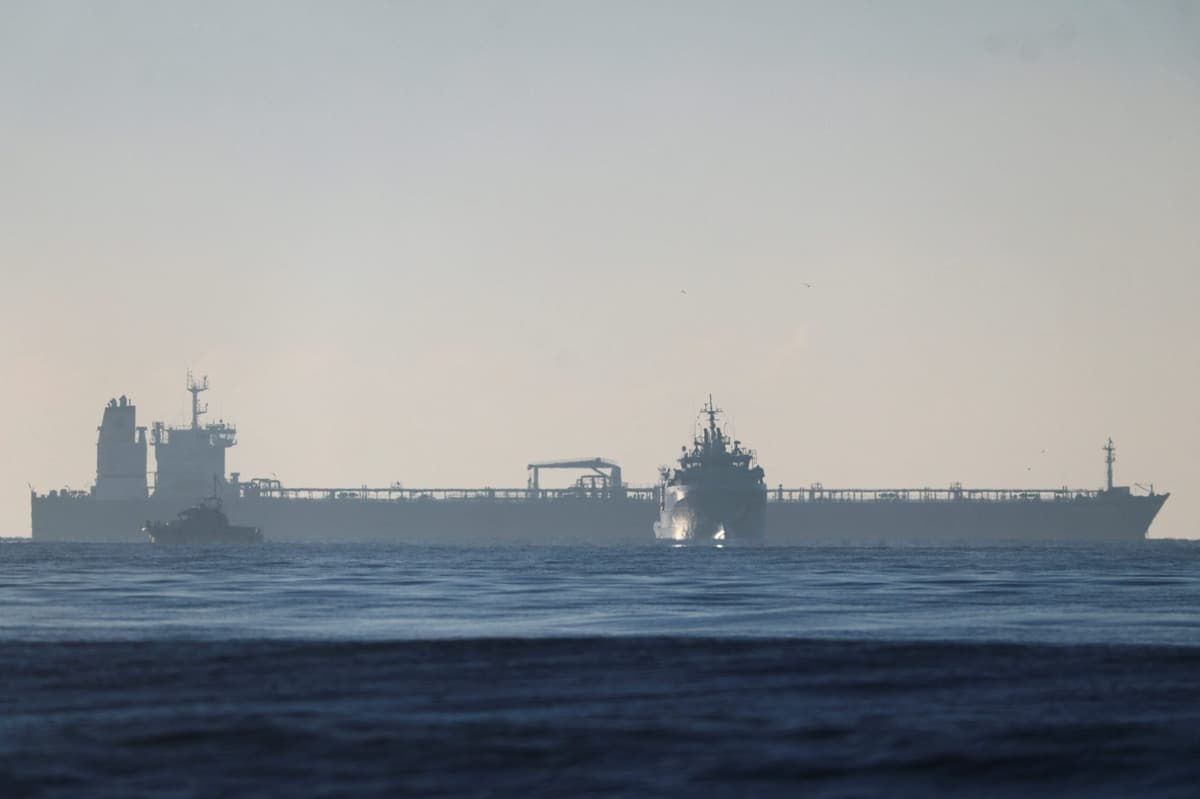
France Releases Oil Tanker GRINCH After ‘Several Million Euro’ Penalty for Sanctions Evasion
Companies Mentioned

Why It Matters
The enforcement demonstrates the EU’s resolve to choke off revenue streams for Russia’s war effort, raising compliance costs for shadow‑fleet operators and signaling stricter maritime surveillance.
Key Takeaways
- •GRINCH released after paying multi‑million‑euro penalty.
- •Vessel flagged under Comoros, suspected Russian shadow fleet.
- •France aims to block sanction‑evasion oil shipments.
- •Penalty signals tougher EU maritime enforcement.
- •Shadow fleets face higher financial and operational risks.
Pulse Analysis
The European Union has tightened its oil embargo on Russia since the invasion of Ukraine, forcing Moscow to rely on a network of so‑called ‘shadow fleets’ that hide behind foreign flags to slip crude past checkpoints. France’s recent seizure of the tanker GRINCH in the Alboran Sea illustrates how coastal states are turning maritime surveillance into a frontline of sanctions enforcement. By interdicting vessels that masquerade under flags of convenience, authorities aim to cut the lifeline that oil revenues provide to the Russian war machine.
Under French law, operators that cannot substantiate a vessel’s flag registration are subject to hefty fines, and the GRINCH’s owner was hit with a penalty measured in several million euros. The financial hit not only recoups lost customs duties but also serves as a deterrent to other shipowners who might consider similar subterfuge. Legal experts note that the penalty regime is part of a broader EU strategy that couples fines with the possibility of vessel impoundment, insurance blacklisting, and restricted port access, raising the cost of non‑compliance dramatically.
The release of the GRINCH after payment sends a clear market signal: evasion is possible, but it comes at a steep price. Analysts expect that tighter monitoring will push illicit oil traders toward more sophisticated concealment tactics, potentially reshaping trade routes and prompting a surge in compliance services. For global oil markets, the crackdown could tighten supply, modestly supporting prices, while also encouraging European allies to coordinate similar actions in the Atlantic and Black Sea corridors. Ultimately, sustained enforcement may erode the shadow fleet’s ability to fund Russia’s conflict.
France Releases Oil Tanker GRINCH After ‘Several Million Euro’ Penalty for Sanctions Evasion


Comments
Want to join the conversation?
Loading comments...