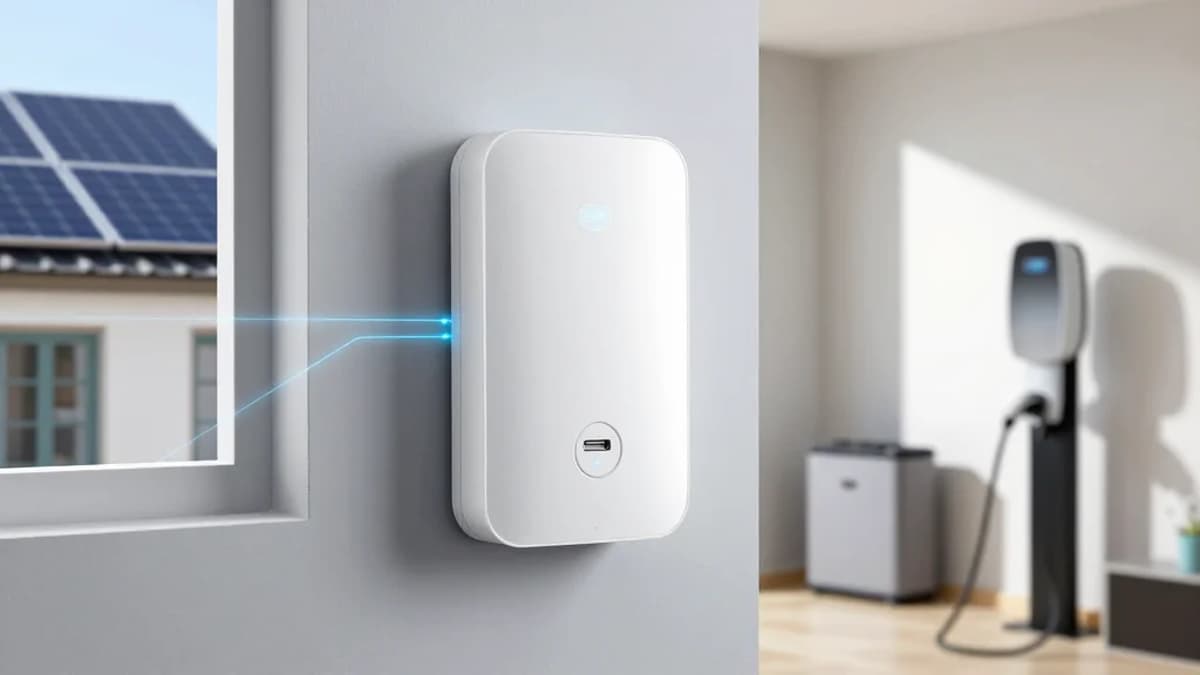
French Startup Launches ‘Universal’ Home Energy Management System
Why It Matters
The platform enables French homeowners to meet the 5.5% VAT eligibility for solar, driving higher self‑consumption and accelerating the residential renewable market. Its open‑ecosystem approach lowers barriers for equipment manufacturers and installers, fostering broader adoption of smart grid technologies.
Key Takeaways
- •Universal HEMS works with all major solar brands
- •B2B2C model targets installers and end‑users
- •500 installations deployed; goal 3,000 by year‑end
- •Visualization can boost self‑consumption by ~15%
- •Optimises batteries and EV charging in real time
Pulse Analysis
France’s residential solar market is being reshaped by policy incentives, notably the reduced 5.5% VAT rate that hinges on the use of low‑carbon panels and a home energy management system. PvPilot’s universal HEMS directly addresses this requirement, offering installers a plug‑and‑play solution that integrates with any inverter, battery or charger. By simplifying compliance, the technology removes a key friction point for homeowners, encouraging faster uptake of photovoltaic installations and supporting the government’s clean‑energy targets.
Beyond regulatory alignment, the system’s real‑time orchestration of loads delivers tangible efficiency gains. By continuously matching solar output with household demand, the HEMS can shift flexible appliances, charge AC‑coupled batteries, and manage EV charging to maximise on‑site consumption. Studies cited by the company indicate that simply visualising energy data can lift self‑consumption by around 15%, a figure that translates into measurable cost savings and reduced grid reliance for users. The USB‑based relay device, coupled with a mobile app, provides an intuitive interface that empowers consumers to set target consumption shares and monitor performance instantly.
The broader industry impact lies in PvPilot’s open‑ecosystem philosophy. Compatibility across brands eliminates vendor lock‑in, encouraging manufacturers to adopt interoperable standards and fostering a more competitive market for smart home energy solutions. As residential storage and electric mobility continue to expand, a flexible HEMS becomes essential for balancing intermittent generation with variable demand. PvPilot’s ambition to scale from 500 to 3,000 homes by year‑end positions it as a catalyst for the next wave of integrated, low‑carbon residential energy systems in Europe.
French startup launches ‘universal’ home energy management system


Comments
Want to join the conversation?
Loading comments...