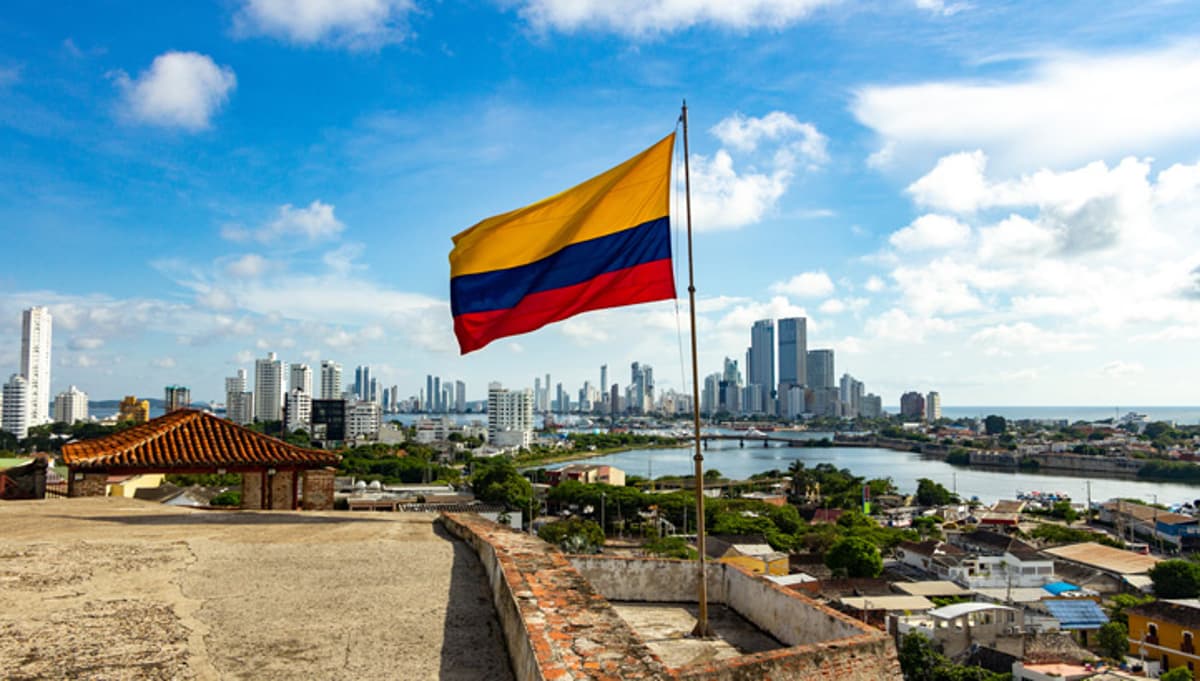
From COP to Colombia: What Are the Santa Marta Talks and What’s at Stake?
Why It Matters
The conference sets the agenda for how global finance and policy will support a rapid, equitable exit from fossil fuels, a prerequisite for meeting Paris targets. Its outcomes will shape investment flows and regulatory standards that affect energy‑intensive industries worldwide.
Key Takeaways
- •Over 60 nations will attend the TAFF conference in Colombia
- •TAFF maps financing, fiscal and regulatory pathways toward a fossil‑free economy
- •No binding treaty expected; focus is on groundwork for future agreements
- •COP26 was the first UN summit to explicitly call for fossil‑fuel phase‑down
- •Colombia and the Netherlands co‑host, highlighting Latin America’s rising climate influence
Pulse Analysis
The Just Transition Away from Fossil Fuels (TAFF) conference arrives at a pivotal moment for climate policy. While the Paris Agreement set emissions caps, the practical mechanisms for moving economies away from coal, oil and gas remain fragmented. TAFF seeks to fill that gap by convening finance ministers, regulators and industry leaders to draft a menu of tools—green bonds, carbon pricing reforms, and technology transfer schemes—that can be adapted to diverse national contexts. By framing the summit as a roadmap rather than a treaty, organizers aim to sidestep the political deadlock that has hamstrung previous climate accords.
Colombia’s role as co‑host signals a shift in the geographic balance of climate leadership. Historically, negotiations have been dominated by Europe and North America, but Latin America’s abundant renewable resources and growing renewable‑energy markets make it a natural laboratory for just‑transition pilots. Partnering with the Netherlands, a hub for sustainable finance, adds credibility and access to sophisticated capital‑raising mechanisms. Together, they hope to showcase scalable models—such as community‑owned solar farms financed through blended public‑private funds—that can be replicated across emerging economies.
Looking ahead, TAFF’s real impact will be measured by the concrete projects and policy reforms that emerge in its wake. If the conference successfully aligns financing pipelines with clear regulatory signals, it could accelerate private‑sector investment by billions of dollars, narrowing the gap between current emissions trajectories and the pathways needed to limit warming to 1.5°C. However, without a binding commitment, the initiative relies on political will and the ability of participating nations to translate recommendations into actionable legislation, making follow‑up monitoring essential for sustained momentum.
From COP to Colombia: What are the Santa Marta talks and what’s at stake?
Comments
Want to join the conversation?
Loading comments...