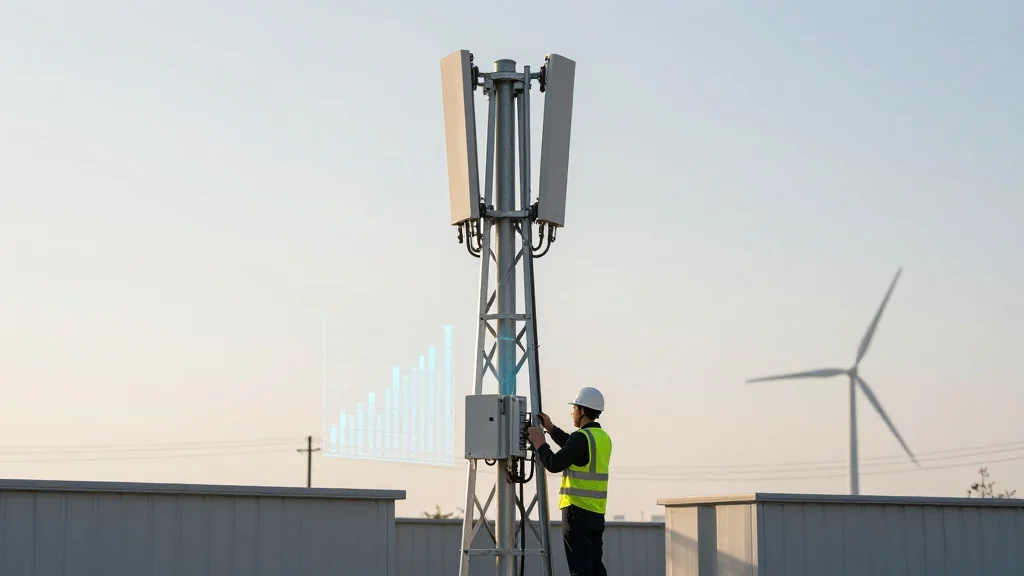
From ‘Nice to Have’ to Business Critical: The TCO Case for Private 5G in Oil and Gas
Companies Mentioned
Why It Matters
Private 5G reduces operational risk and O&M expenses while unlocking new digital‑oilfield capabilities, giving operators a competitive edge in safety, efficiency and sustainability.
Key Takeaways
- •Legacy networks bottleneck sensor data, hindering digital twins.
- •Private 5G offers carrier‑grade security and seamless mobility.
- •Consolidating legacy systems reduces O&M costs and downtime.
- •TCO analysis reveals long‑term ROI over short‑term fixes.
- •Ericsson provides end‑to‑end ecosystem for industrial 5G deployment.
Pulse Analysis
The oil and gas sector is grappling with an unprecedented surge in sensor data as fields, pipelines and processing plants become more remote and automated. Traditional TETRA radios, Wi‑Fi and Wi‑Max were sufficient for voice‑only or low‑bandwidth telemetry, but they now choke under the volume required for real‑time analytics, digital twins and predictive maintenance. Private 5G networks, engineered for harsh industrial environments, deliver the bandwidth, latency and reliability needed to stream high‑resolution video, support edge AI, and keep mobile crews connected across sprawling sites.
When operators evaluate connectivity through a total‑cost‑of‑ownership framework, the hidden expenses of maintaining multiple legacy platforms become stark. Parallel vendor contracts, specialist skill silos, frequent site visits and the financial impact of outages quickly outweigh the upfront capital outlay of a private 5G rollout. By consolidating voice, data and IoT traffic onto a single, high‑availability platform, companies can slash O&M spend, reduce network‑induced downtime, and lower safety‑related risk. The cumulative effect of incremental outage reductions and fewer manual inspections translates into a compelling long‑term ROI that outpaces short‑term patch solutions.
Partnering with a specialist like Ericsson amplifies these benefits. Ericsson’s private‑network solution integrates hardened radio hardware, AI‑driven video analytics, condition‑monitoring platforms and digital‑twin frameworks into a cohesive ecosystem. This end‑to‑end approach ensures that connectivity is not an isolated upgrade but a strategic layer that powers automation, remote operations and advanced safety features such as geofencing and "man‑down" alerts. As the industry pivots toward greener, safer, and more data‑centric operations, private 5G emerges as the backbone that enables sustained competitiveness and resilience.
From ‘nice to have’ to business critical: The TCO case for private 5G in oil and gas
Comments
Want to join the conversation?
Loading comments...