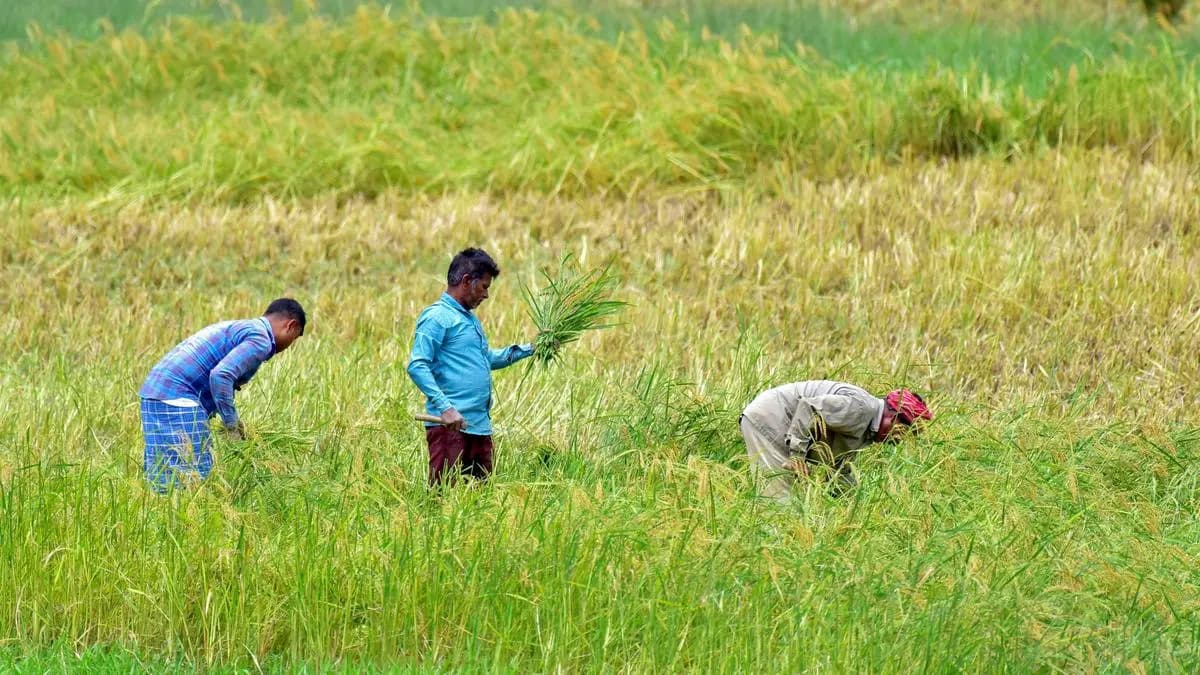
From Stubble to Strategy: How Agricultural Waste Can Power India’s Energy Transition
Why It Matters
Transforming stubble from a seasonal pollutant into a strategic energy feedstock advances India’s climate goals, reduces fossil‑fuel dependence, and creates sustainable livelihoods in rural areas.
Key Takeaways
- •India produces ~350 million tonnes of agricultural residue annually
- •Biomass could generate over 18,000 megawatts of power, says MNRE
- •979 biogas plants now operate, covering more than half of districts
- •Waste-to-energy cuts air pollution while creating rural employment opportunities
- •Integrated collection and decentralized processing lower logistics costs for bioenergy
Pulse Analysis
India’s agricultural sector faces a paradox: millions of tonnes of crop residue lie idle or are burned, contributing to severe haze in the Indo‑Gangetic plain. The practice not only degrades air quality but also strips soil of organic matter, undermining long‑term productivity. Recognising the hidden value of this waste, policymakers have begun to treat biomass as a renewable energy asset, aligning with the country’s ambition to meet 450 GW of renewable capacity by 2030. By quantifying the scale—roughly 350 million tonnes of residue annually—the narrative shifts from a seasonal nuisance to a national resource with tangible climate benefits.
Key government initiatives, notably the GOBARdhan scheme and the National Bioenergy Programme, have accelerated the rollout of biogas and bio‑power projects. As of early 2026, 979 biogas plants are operational, spanning more than half of India’s districts, and the Ministry of New and Renewable Energy projects that agricultural waste could generate upwards of 18,000 MW of electricity. This energy transition delivers multiple dividends: it curtails reliance on coal, supplies clean power to off‑grid villages, and produces organic fertilizer that reduces chemical input costs for farmers. Moreover, the sector is creating a new wave of rural employment, from collection crews to plant operators, reinforcing inclusive growth.
Scaling this promise, however, demands robust logistics and technology. Residue is scattered across millions of small farms, making aggregation costly. Integrated models that combine local collection hubs, decentralized processing units, and digital tracking can slash transportation expenses and improve project economics. Private investors are increasingly attracted by the dual upside of carbon credits and renewable‑energy tariffs, while state incentives lower capital barriers. With coordinated policy, innovative supply‑chain solutions, and sustained private participation, agricultural waste can evolve from a seasonal crisis into a cornerstone of India’s circular‑economy energy strategy.
From stubble to strategy: How agricultural waste can power India’s energy transition
Comments
Want to join the conversation?
Loading comments...