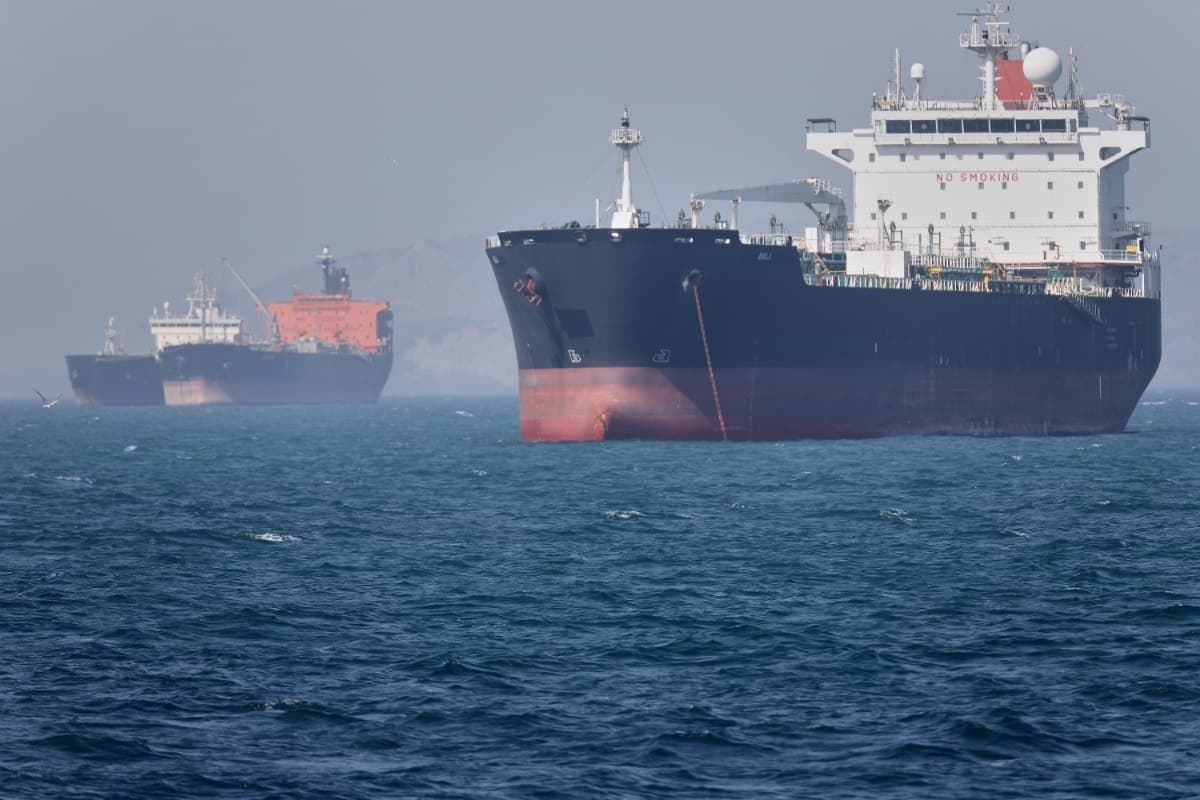
FTSE 100 Live: Stocks Dip After Oil Spikes on Hormuz Tensions
Why It Matters
Escalating Hormuz conflict threatens global oil supply routes, pressuring energy prices and adding volatility to equity markets, especially those with exposure to commodities and logistics.
Key Takeaways
- •Oil prices surged as Hormuz tensions escalated
- •US claimed to strike seven Iranian boats near the strait
- •UAE tanker linked to ADNOC was hit, no injuries reported
- •FTSE 100 slipped modestly amid energy market volatility
- •Investors watch for shipping disruptions affecting global trade
Pulse Analysis
The Strait of Hormuz, through which roughly a fifth of the world’s oil passes, has re‑emerged as a flashpoint after the United States announced strikes on seven Iranian vessels. Tehran’s Revolutionary Guard threatened to fire on any ship attempting passage, while the United Arab Emirates confirmed a tanker tied to ADNOC was struck. Such developments typically trigger rapid oil price spikes, as traders price in potential supply constraints and heightened geopolitical risk. The latest flare‑up pushed Brent crude above $90 per barrel, underscoring how quickly regional disputes can reverberate through global energy markets.
In London, the FTSE 100 responded with a modest dip, reflecting investor wariness of the broader energy shock. Energy‑heavy constituents, including oil majors and utilities, saw mixed moves as higher oil prices boost revenue prospects but also raise concerns about inflationary pressure and supply chain disruptions. Meanwhile, logistics and shipping stocks faced heightened scrutiny, given the direct threat to maritime routes that underpin global trade. The market’s muted reaction suggests that while the immediate impact is contained, the uncertainty surrounding Hormuz remains a pricing factor for risk‑averse capital.
Looking ahead, the episode highlights the strategic importance of diversifying exposure away from single‑point chokepoints. Analysts expect policymakers in the U.S. and Europe to monitor the situation closely, potentially coordinating naval escorts or diplomatic initiatives to keep the strait open. For investors, the key takeaway is to assess portfolio sensitivity to oil price volatility and shipping disruptions, perhaps by increasing allocation to sectors that benefit from higher energy prices while hedging against broader market turbulence. The Hormuz tension serves as a reminder that geopolitical events can swiftly reshape commodity dynamics and equity valuations alike.
FTSE 100 Live: Stocks dip after oil spikes on Hormuz tensions
Comments
Want to join the conversation?
Loading comments...