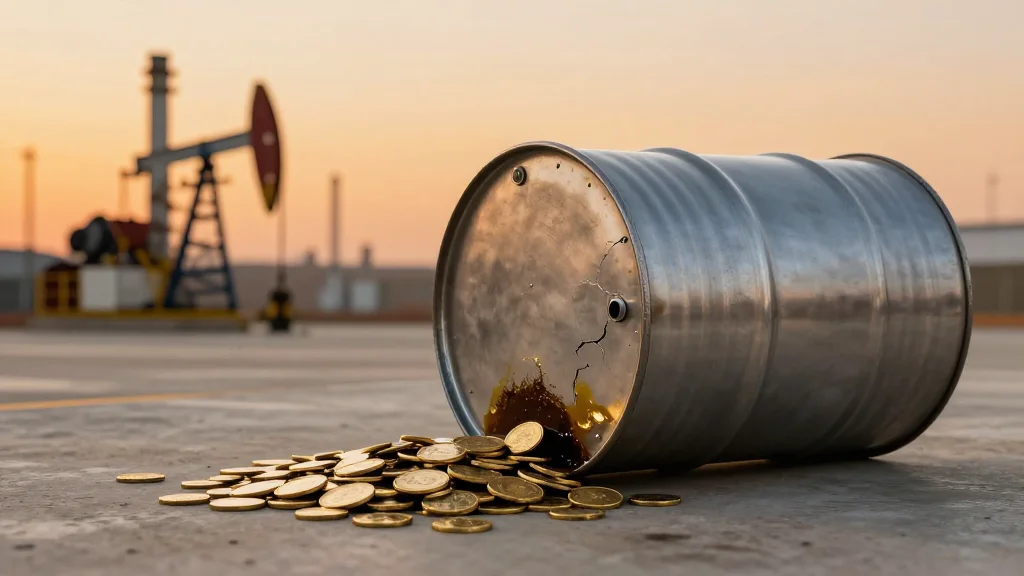
Fuel Price Hike Coming? Oil PSUs Losing Almost ₹30,000 Cr per Month
Why It Matters
The mounting fiscal burden threatens India’s budget balance and could trigger higher pump prices, feeding inflation and affecting both consumers and the broader economy.
Key Takeaways
- •State-run oil firms lose ~₹30,000 cr ($3.6 bn) monthly selling fuel below market
- •Crude prices rose from $69 to $114 per barrel, squeezing margins
- •Government excise cuts cost ~₹14,000 cr ($1.7 bn) each month
- •Potential fuel price hike could end subsidies, impacting inflation and consumers
Pulse Analysis
India’s fuel subsidy regime has long been a political cornerstone, allowing petrol and diesel prices to stay well below global levels. While this policy shields consumers from volatile oil markets, it also creates a sizable fiscal hole that the Treasury must fill through indirect taxes and budget reallocations. The current monthly loss of roughly ₹30,000 crore ($3.6 bn) for public‑sector oil marketers underscores the strain on state finances, especially as the government’s excise‑duty relief for fuels now costs about ₹14,000 crore ($1.7 bn) per month. Analysts argue that extending this model without structural reforms could crowd out spending on infrastructure and social programs.
The surge in global crude prices has been the primary catalyst behind the widening gap between import costs and domestic fuel prices. Since February, the price of Brent‑linked crude for Indian refiners has climbed from $69 to over $114 per barrel, while the rupee has weakened, amplifying the effective cost in rupee terms. This double‑whammy erodes refinery margins, forcing state‑run companies to absorb losses rather than pass them on to consumers. In comparison, countries such as Japan, Spain and France have already raised pump prices by 30‑35 percent since the conflict in West Asia began, highlighting India’s unique policy stance.
Looking ahead, the government faces a delicate balancing act. Raising fuel prices could alleviate fiscal pressure but would likely stoke inflation, a sensitive issue ahead of upcoming elections. Policymakers may explore targeted subsidies, a gradual phasing out of universal price caps, or increased reliance on strategic petroleum reserves to smooth the transition. The decision will have ripple effects across transportation, logistics, and consumer spending, making it a pivotal moment for India’s macroeconomic trajectory.
Fuel price hike coming? Oil PSUs losing almost ₹30,000 cr per month
Comments
Want to join the conversation?
Loading comments...