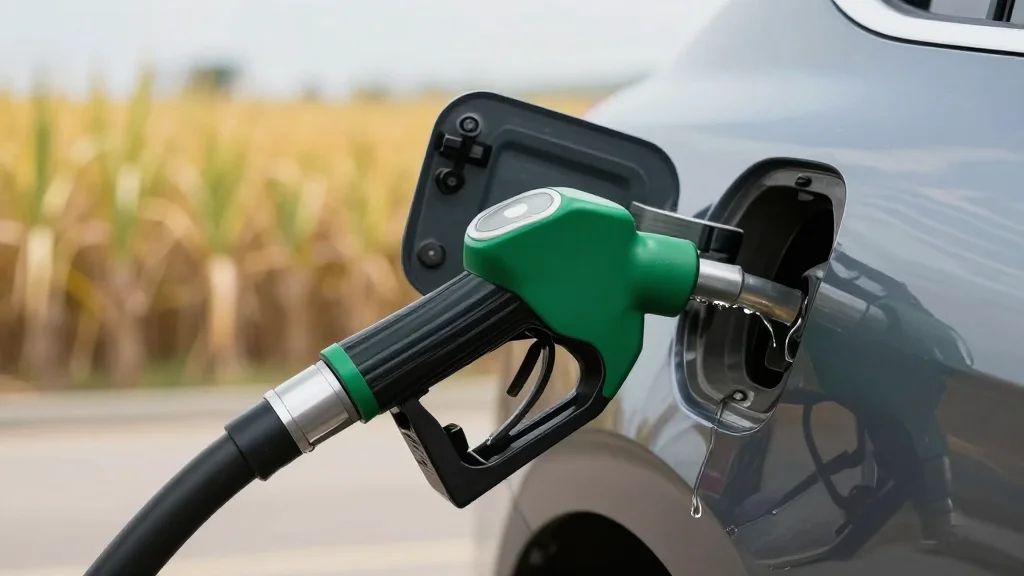
Gadkari Says He Has Approved E100 Fuel Regulations, Clears Path for Ethanol-Only Vehicles in India
Companies Mentioned
Why It Matters
E100 approval strengthens India's energy security by reducing oil import exposure and opens a new growth avenue for the automotive sector and rural bio‑fuel economy.
Key Takeaways
- •India clears legal framework for 100% ethanol fuel
- •E100 approval enables pure ethanol vehicles from Maruti, Toyota, Hyundai
- •Reduces reliance on imported oil, cuts exposure to price volatility
- •Boosts sugarcane and maize demand, supporting rural livelihoods
- •Accelerates investment in flex‑fuel engines and bio‑refineries
Pulse Analysis
India’s decision to formalize E100 fuel marks a decisive shift from its long‑standing E20 blending mandate toward a full‑scale bio‑fuel strategy. By codifying standards for production, distribution and vehicle certification, the government removes regulatory uncertainty that has hampered large‑scale ethanol adoption. This framework aligns with global trends where nations seek renewable alternatives to fossil fuels, positioning India as a potential leader in ethanol‑only mobility. The policy also dovetails with the country’s broader climate commitments, offering a domestic, lower‑carbon fuel option that can be scaled alongside electric and hydrogen solutions.
For automakers, the regulatory green light translates into tangible investment opportunities. Flex‑fuel technology, already demonstrated in Maruti’s Wagon R and Hero’s ethanol motorcycles, can now be engineered for 100% ethanol operation without compromising performance. Toyota, Hyundai and other OEMs are expected to allocate R&D budgets toward ethanol‑compatible powertrains, fuel‑system redesigns, and dedicated vehicle platforms. Suppliers of ethanol‑compatible components, from fuel pumps to engine control units, stand to benefit from a new market segment, while testing agencies gain a clear compliance pathway. The certainty also encourages joint ventures with Indian bio‑refineries, fostering a localized supply chain that reduces logistics costs.
Beyond the automotive sphere, E100 adoption promises macro‑economic dividends. With over 85% of crude oil imports, even modest ethanol penetration can shave billions off India’s import bill and buffer the economy against volatile oil prices. Increased ethanol production will spur demand for sugarcane, maize and other crops, injecting revenue into rural communities and supporting government objectives for agricultural diversification. However, scaling ethanol will require coordinated investments in storage, distribution infrastructure, and quality control to ensure fuel consistency. If managed effectively, E100 could become a cornerstone of India’s energy mix, delivering both energy security and sustainable growth.
Gadkari says he has approved E100 fuel regulations, clears path for ethanol-only vehicles in India
Comments
Want to join the conversation?
Loading comments...