Gary Mar: It's Time for Canada to Embrace What We Do Best to Help Ourselves and Our Partners
Why It Matters
Canada’s ability to fill looming oil and commodity gaps can safeguard global trade flows while driving domestic growth, making the country a more resilient and indispensable partner in a volatile geopolitical environment.
Key Takeaways
- •Strait of Hormuz closures threaten global oil flow, creating supply gaps
- •Canada could boost oil exports to meet rising Asian demand
- •Tidewater access is critical for moving Canadian crude to world markets
- •Expanding domestic food and fertilizer output can lower consumer price pressure
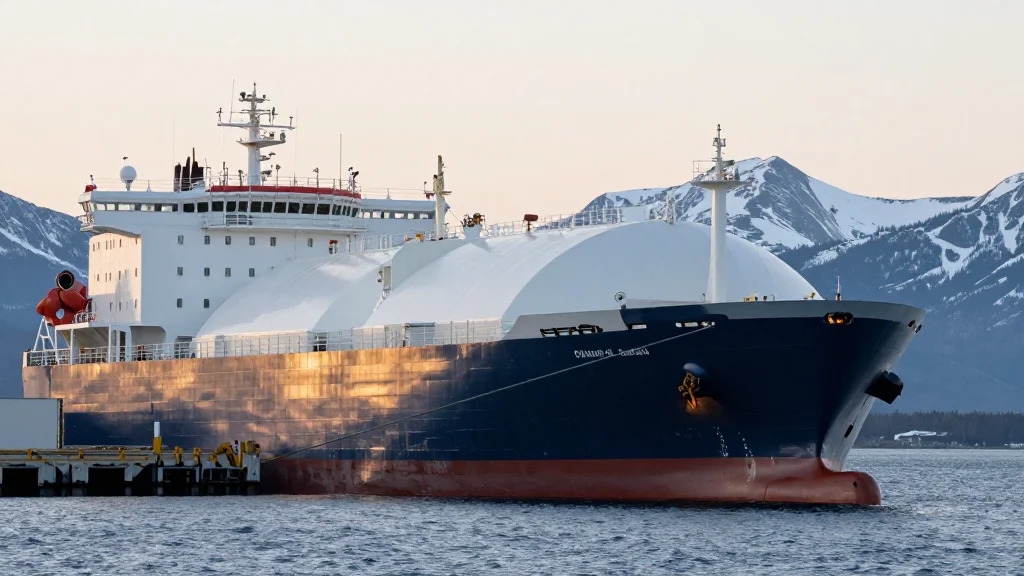
- •TMX pipeline twinning and LNG Canada port illustrate infrastructure momentum
Pulse Analysis
The recent closure of the Strait of Hormuz has sent shockwaves through energy markets, reminding policymakers that reliance on narrow maritime chokepoints is a strategic risk. When a single waterway can throttle the flow of 70% of Asia’s crude, price volatility spikes and nations scramble for alternative supplies. Canada, with its abundant upstream resources, is uniquely positioned to act as a stabilizing force, provided it can deliver oil efficiently to global buyers. The country’s existing export infrastructure—most notably the newly twinned TMX pipeline and the LNG Canada terminal—offers a foundation, but without expanded tidewater terminals, Canadian crude remains land‑locked, limiting its market reach.
Beyond hydrocarbons, Mar highlights a broader resilience agenda that includes food security and critical minerals. Rising input costs for Canadian farmers, driven by global fertilizer price hikes, threaten to cascade into higher consumer prices for everything from gasoline to plastics. By scaling domestic fertilizer production and processing agricultural commodities at home, Canada can blunt these cost pressures while opening new export avenues. The nation’s rich potash reserves and growing expertise in nitrogen production could supply both domestic growers and overseas markets, reducing dependence on volatile foreign supply chains.
Realizing this vision will require coordinated policy action and private‑sector commitment. Streamlined permitting, targeted tax incentives, and strategic public‑private partnerships can accelerate the construction of new ports, rail links, and processing facilities. Moreover, a national agriculture strategy that aligns with energy and mineral policies would create synergies across sectors. If Canada can translate its raw commodity advantage into higher‑value, export‑ready products, it will not only capture greater economic returns but also cement its role as a reliable pillar of global supply stability in an era of heightened geopolitical uncertainty.
Gary Mar: It's time for Canada to embrace what we do best to help ourselves and our partners
Comments
Want to join the conversation?
Loading comments...