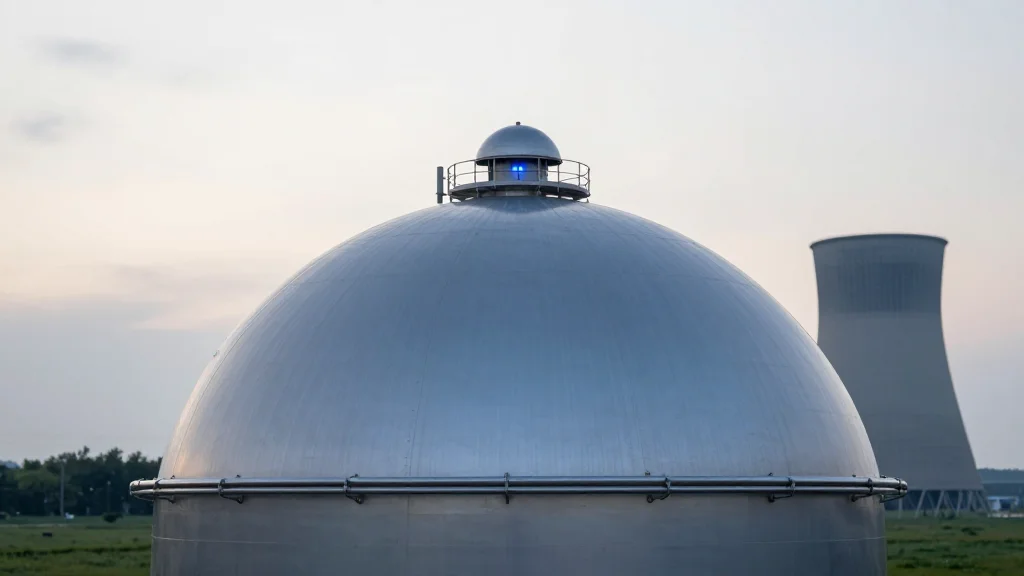
Gas Needed to Replace Offline Nuclear Capacity, Apr. 15, 2026
Why It Matters
The shift forces higher gas consumption, tightening markets and driving up prices, which impacts electricity costs, corporate earnings, and energy‑security policy worldwide.
Key Takeaways
- •Europe lost 15 GW nuclear capacity, boosting gas demand by 30 TWh
- •Gas imports expected to rise 12% in 2026, straining pipelines
- •Spot gas prices could climb $12‑$15 per MMBtu this summer
- •Utilities accelerate gas‑fired plant upgrades to cover reliability gaps
- •Policy focus shifts to diversifying supply amid geopolitical tensions
Pulse Analysis
The recent wave of nuclear plant outages—driven by aging infrastructure, extended maintenance cycles, and heightened safety scrutiny—has left a sizable generation void in the Western grid. In Europe, reactors accounting for roughly 15 GW of capacity have been taken offline, while the United States faces similar retirements in the Midwest. This shortfall coincides with a modest uptick in renewable output, but the intermittent nature of wind and solar means system operators still need firm, dispatchable power. Gas, with its quick‑start capability and existing infrastructure, naturally becomes the stop‑gap solution, prompting analysts to forecast an extra 30 TWh of gas‑generated electricity in 2026.
Gas markets are already reacting to the looming demand surge. Import volumes are projected to climb 12 percent, pressuring long‑haul pipelines that run from the North Sea, Russia’s western fields, and the burgeoning U.S. LNG export terminals. Spot LNG cargoes, once abundant, are now seeing tighter booking windows, pushing spot prices toward $12‑$15 per MMBtu during peak summer months. Traders cite constrained liquefaction capacity in Asia and heightened geopolitical risk—particularly the ongoing Middle‑East conflict—as catalysts for the price rally. Utilities are scrambling to retrofit older gas‑fired units and fast‑track new combined‑cycle plants to ensure grid reliability, while regulators weigh the need for strategic gas reserves.
The broader implications extend beyond immediate pricing. Investors are re‑evaluating exposure to both nuclear and gas assets, with many shifting capital toward flexible generation and storage solutions that can complement intermittent renewables. Policymakers, meanwhile, face a delicate balance: encouraging short‑term gas reliance for security while maintaining momentum toward decarbonization. The current scenario underscores the importance of diversified supply chains, robust pipeline networks, and accelerated investment in low‑carbon gas technologies such as blue hydrogen. As the energy transition encounters these real‑world hiccups, the industry’s ability to adapt will shape market dynamics for the next decade.
Gas Needed to Replace Offline Nuclear Capacity, Apr. 15, 2026
Comments
Want to join the conversation?
Loading comments...