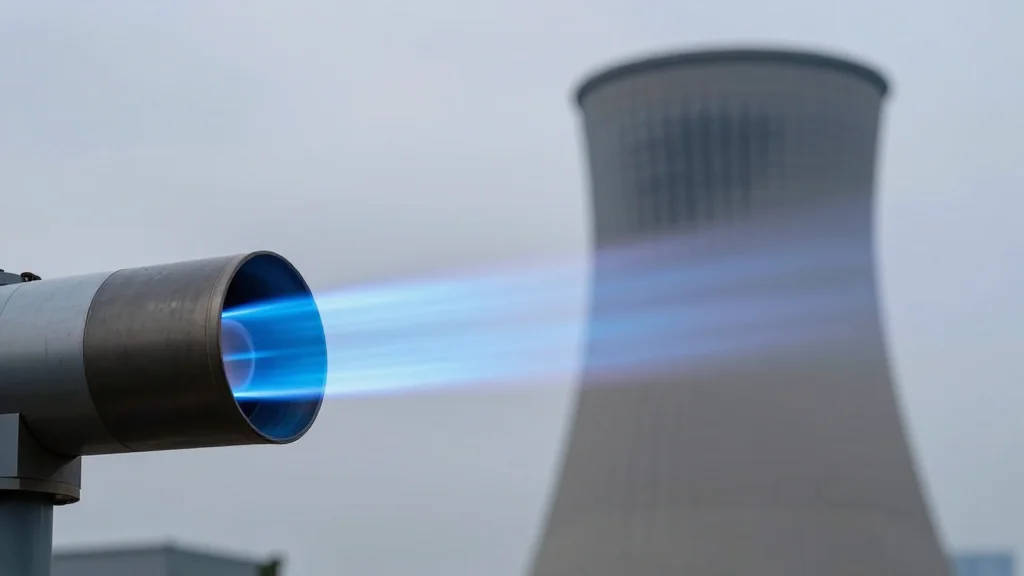
Gas Needed to Replace Offline Nuclear Capacity, May 5, 2026
Why It Matters
Replacing nuclear output with gas reshapes the power mix, boosting demand for LNG and influencing global gas pricing, while also raising carbon‑emission concerns for climate‑focused markets.
Key Takeaways
- •Up to 30 GW nuclear capacity may retire by 2030, driving gas demand
- •Diversified LNG portfolios become strategic assets for IOCs
- •Power of Siberia 2 contract could unlock new Russian‑China gas flow
- •U.S. gas futures rise modestly amid storage data lift
- •Policy uncertainty in Australia underscores regional energy security focus
Pulse Analysis
The retirement of aging nuclear reactors is creating a sizable capacity shortfall that natural‑gas plants are poised to fill. In the United States, the Nuclear Regulatory Commission projects that roughly 15 GW of reactors could shut down by the end of the decade, while Europe faces similar de‑commissioning timelines. Gas‑fired combined‑cycle units can be brought online faster than new coal or nuclear projects, making them the preferred bridge technology. This transition is prompting utilities to lock in long‑term LNG contracts and invest in flexible, low‑cost supply chains to hedge against price volatility.
Investors are also watching the geopolitical ripple effects of new pipeline agreements. Russia’s push to finalize the Power of Siberia 2 pipeline with China could inject an additional 48 billion cubic meters of gas annually into the Asian market, easing supply constraints and potentially lowering spot LNG prices. Meanwhile, European buyers are diversifying away from Russian pipeline gas, accelerating the build‑out of LNG terminals and floating storage‑regasification units (FSRUs). These dynamics are reshaping global gas trade flows, with Asia and Europe competing for the same LNG cargoes, while the United States leverages its growing export capacity to capture market share.
From a policy perspective, the shift raises questions about carbon intensity and climate goals. While gas emits roughly half the CO₂ of coal, it still contributes significantly to greenhouse‑gas inventories, complicating the net‑zero pathways outlined in the Paris Agreement. Regulators in the U.S. and EU are therefore exploring carbon‑pricing mechanisms and incentives for low‑carbon gas, such as blue hydrogen and carbon capture, to mitigate the environmental impact of this interim solution. The balance between energy security, market economics, and climate commitments will define the next decade of the global gas landscape.
Gas Needed to Replace Offline Nuclear Capacity, May 5, 2026
Comments
Want to join the conversation?
Loading comments...