Gas Prices Are Dropping — but They're Still High
Companies Mentioned
Why It Matters
Pump prices are the most visible component of inflation, affecting consumer spending and shaping voter sentiment ahead of the midterm elections. Persistent high gas costs also pressure policymakers to consider fiscal or regulatory interventions.
Key Takeaways
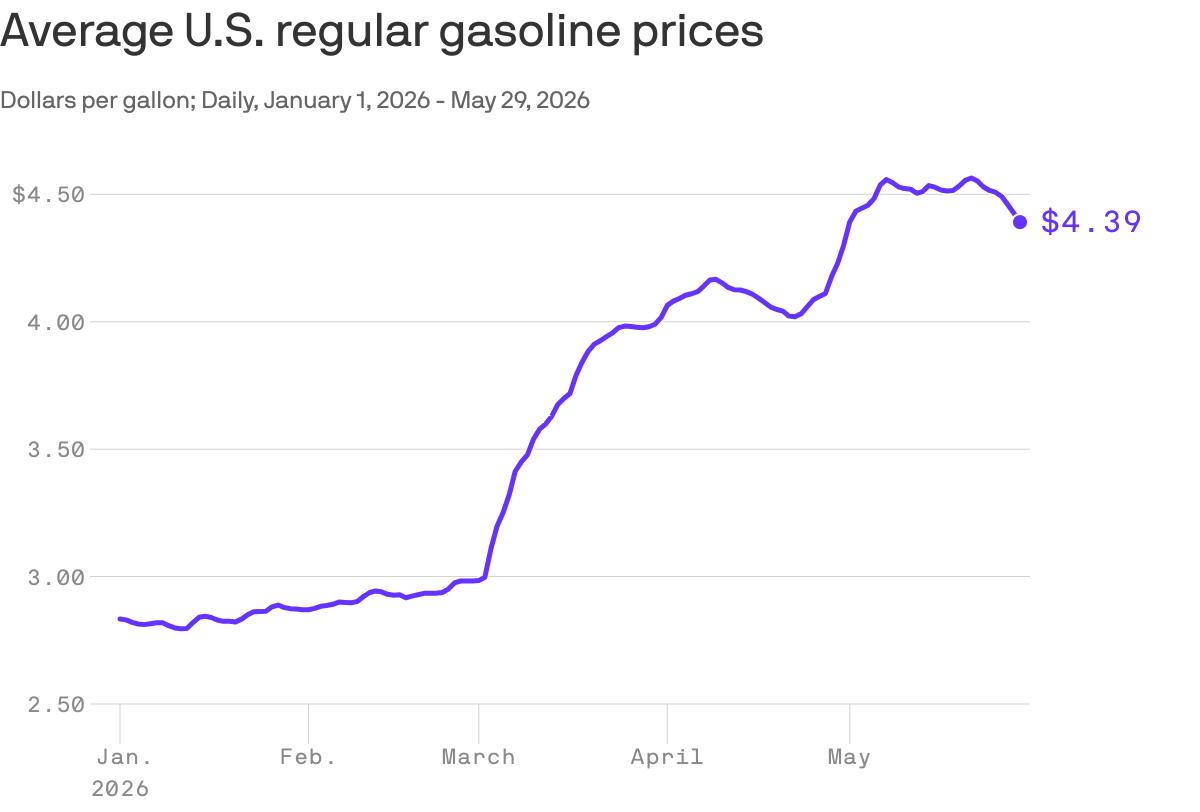
- •U.S. regular gas averaged $4.39/gal, down 16 cents weekly.
- •Prices remain well above pre‑war $3 level despite recent dip.
- •Global oil market stays tight; Strait of Hormuz disruptions linger.
- •U.S. gasoline inventories 6% below five‑year summer average.
- •Midterm voters may still feel pinch as prices stay elevated.
Pulse Analysis
The recent modest slide in U.S. gasoline prices offers a brief reprieve for drivers, but it masks deeper market fragilities. While the average pump price of $4.39 per gallon marks the largest weekly decline of the year, it still eclipses pre‑conflict levels by more than a dollar. The easing stems from a tentative de‑escalation between the United States and Iran, which has softened crude benchmarks on the global stage. Yet the underlying supply chain remains constrained, as tanker operators weigh the safety of transiting the Strait of Hormuz and producers in the Persian Gulf grapple with restarting output after months of curtailed shipments.
Structural dynamics further limit how far prices can fall. U.S. gasoline inventories have slipped to 6% below the five‑year summer norm, reflecting a 15‑week streak of drawdowns at a time when refiners typically build stockpiles for the driving season. Coupled with a seasonal surge in demand, the tight supply picture creates a ceiling on price reductions. Even as oil futures trend lower, any resurgence of geopolitical tension or unexpected refinery outages could quickly reverse the modest gains seen at the pump.
For policymakers, the persistence of high fuel costs carries both economic and political weight. Inflation‑sensitive consumers see gasoline as a barometer of overall price pressures, influencing sentiment ahead of the upcoming midterms. While President Trump has floated the idea of suspending the federal gas tax, legislative momentum remains uncertain. In the meantime, the White House continues to monitor market levers, from strategic petroleum reserves to diplomatic outreach, hoping to stabilize prices without triggering broader market distortions. The outlook suggests a gradual decline is possible, but sustained lows are unlikely until inventory levels recover and geopolitical risks recede.
Gas prices are dropping — but they're still high
Comments
Want to join the conversation?
Loading comments...